


As a supplier of bronze shaped tubes, I often encounter inquiries about the wall thickness of these products. The wall thickness of a typical bronze shaped tube can vary significantly depending on several factors, including the intended application, the specific bronze alloy used, and the manufacturing process. In this blog post, I will delve into these factors and provide a comprehensive overview of the wall thickness of bronze shaped tubes.
Factors Influencing Wall Thickness
Intended Application
The intended application of the bronze shaped tube is one of the primary factors that determine its wall thickness. For instance, tubes used in structural applications, such as in building construction or machinery, typically require thicker walls to withstand higher pressures and loads. On the other hand, tubes used in decorative applications or for conveying fluids at low pressures may have thinner walls.
In plumbing systems, bronze tubes with relatively thin walls are often used for transporting water or gas. These tubes need to be lightweight and corrosion-resistant, and a thinner wall thickness can help achieve these properties while still maintaining the necessary strength. In contrast, bronze tubes used in hydraulic systems, where high pressures are involved, require thicker walls to prevent leakage and ensure the safe operation of the system.

Specific Bronze Alloy
The choice of bronze alloy also plays a crucial role in determining the wall thickness of the tube. Different bronze alloys have varying mechanical properties, such as strength, hardness, and ductility. Alloys with higher strength and hardness can generally have thinner walls while still meeting the performance requirements of the application.
For example, phosphor bronze, which is known for its high strength and excellent corrosion resistance, can be used to manufacture tubes with relatively thin walls. This alloy is commonly used in electrical applications, such as in the production of connectors and switches, where a combination of strength and conductivity is required. On the other hand, aluminum bronze, which has high strength and good wear resistance, may be used for tubes in more demanding applications, such as in marine environments or in the production of gears and bearings. These tubes may require thicker walls to withstand the harsh conditions and high loads.
Manufacturing Process
The manufacturing process used to produce the bronze shaped tube can also affect its wall thickness. There are several methods for manufacturing bronze tubes, including extrusion, drawing, and casting. Each method has its own advantages and limitations, and the choice of method can impact the final wall thickness of the tube.
Extrusion is a common method for producing bronze tubes. In this process, a heated bronze billet is forced through a die to create the desired shape and size of the tube. Extrusion can produce tubes with relatively uniform wall thickness and good dimensional accuracy. However, the maximum wall thickness that can be achieved through extrusion may be limited by the equipment and the properties of the bronze alloy.
Drawing is another method for manufacturing bronze tubes. In this process, a tube is pulled through a series of dies to reduce its diameter and increase its length. Drawing can produce tubes with thinner walls and higher precision than extrusion. However, the process is more time-consuming and may be more expensive.
Casting is a method for producing bronze tubes by pouring molten bronze into a mold. Casting can produce tubes with complex shapes and thick walls. However, the wall thickness of cast tubes may be less uniform than that of extruded or drawn tubes, and the surface finish may be rougher.
Typical Wall Thickness Ranges
The wall thickness of a typical bronze shaped tube can range from a few millimeters to several centimeters, depending on the factors mentioned above. In general, tubes used in plumbing and decorative applications may have wall thicknesses ranging from 1 to 3 millimeters. Tubes used in structural applications or in high-pressure systems may have wall thicknesses ranging from 3 to 10 millimeters or more.
It is important to note that these are just general guidelines, and the actual wall thickness of a bronze shaped tube may vary depending on the specific requirements of the application. When selecting a bronze tube, it is essential to consult with a qualified engineer or supplier to ensure that the tube has the appropriate wall thickness and other properties to meet the needs of the project.

Our Product Range
As a supplier of bronze shaped tubes, we offer a wide range of products with different wall thicknesses to meet the diverse needs of our customers. Our tubes are made from high-quality bronze alloys and are manufactured using advanced processes to ensure consistent quality and performance.

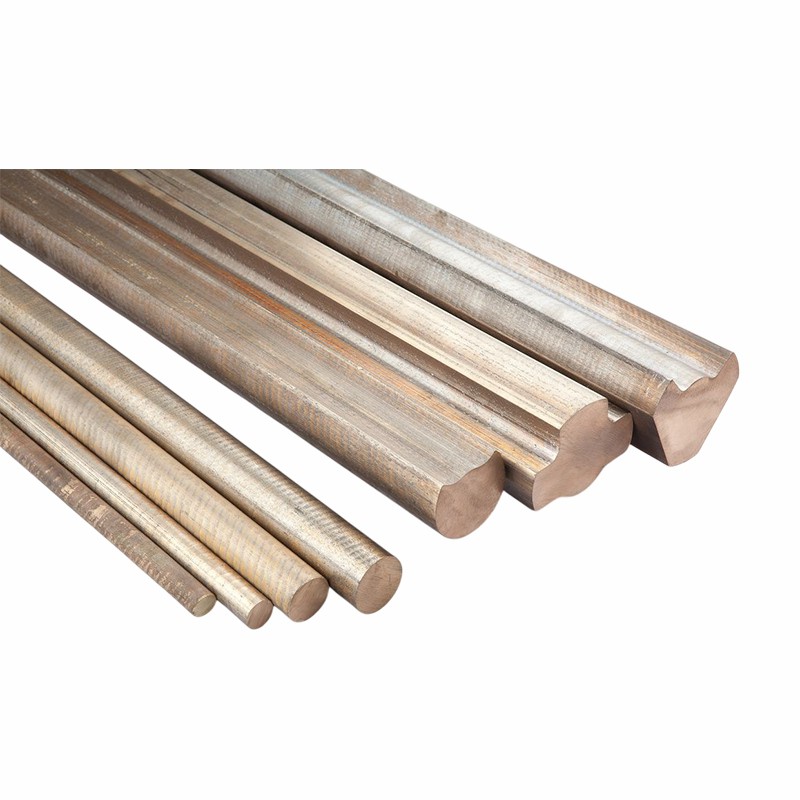
In addition to bronze shaped tubes, we also offer other bronze products, such as Bronze Round Bar, Bronze Square Rod, and Bronze Shaped Rod. These products are available in various sizes and shapes and can be customized to meet the specific requirements of our customers.
Conclusion
The wall thickness of a typical bronze shaped tube is influenced by several factors, including the intended application, the specific bronze alloy used, and the manufacturing process. By understanding these factors, you can make an informed decision when selecting a bronze tube for your project.
If you have any questions or need further information about our bronze shaped tubes or other bronze products, please do not hesitate to contact us. We are committed to providing our customers with high-quality products and excellent service, and we look forward to working with you on your next project.
References
- Metals Handbook: Properties and Selection: Nonferrous Alloys and Pure Metals, Volume 2, 9th Edition, ASM International.
- Copper and Copper Alloys: Properties, Processing, and Applications, Second Edition, ASM International.
- The Design and Manufacture of Copper and Copper Alloy Products, Copper Development Association.


