


As a piston shoe supplier, understanding the maximum operating temperature of piston shoes is crucial for both product development and customer guidance. Piston shoes are essential components in hydraulic systems, especially in axial piston pumps and motors. They play a vital role in transmitting forces and ensuring smooth operation of the machinery. In this blog, we will explore the factors influencing the maximum operating temperature of piston shoes, the implications of high temperatures, and how to maintain optimal performance.
Factors Influencing the Maximum Operating Temperature
Material Properties
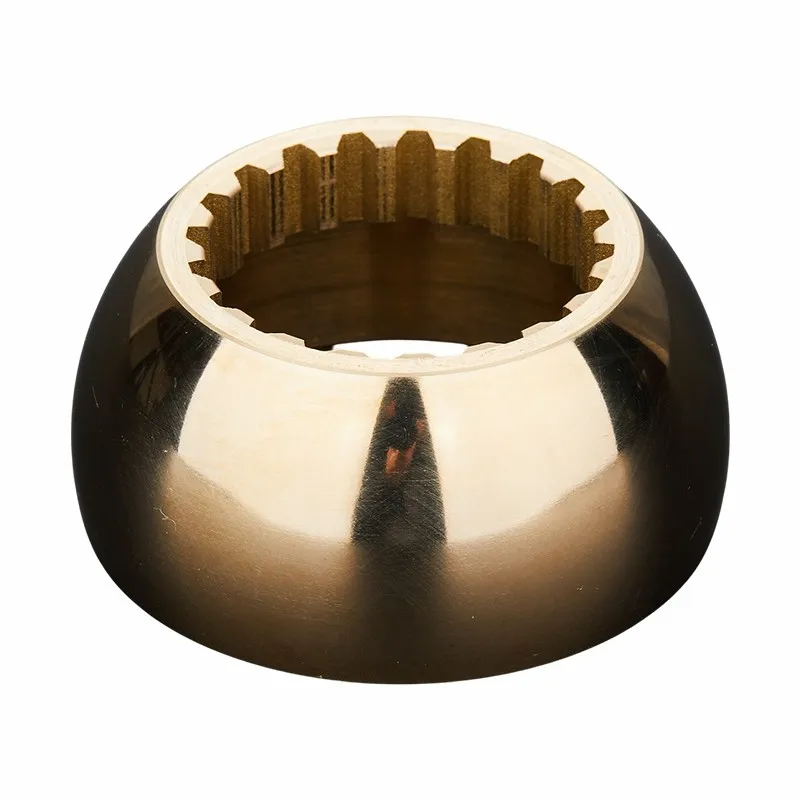
The material of the piston shoe is one of the primary factors determining its maximum operating temperature. Different materials have different thermal properties, such as thermal conductivity, specific heat capacity, and melting point. For example, copper alloys are commonly used in piston shoes due to their excellent thermal conductivity, which helps in dissipating heat generated during operation. Copper Bushing made from high - quality copper alloys can withstand relatively high temperatures compared to some other materials.
The hardness and wear resistance of the material also affect the operating temperature. A harder material can better resist wear and friction, reducing the heat generated due to contact between the piston shoe and other components. However, extremely hard materials may also be brittle, which can lead to cracking under high - stress conditions.
Lubrication
Proper lubrication is essential for reducing friction and heat generation in piston shoes. The lubricant forms a thin film between the moving surfaces, separating them and reducing direct contact. The type of lubricant, its viscosity, and the lubrication method all impact the operating temperature.
High - quality lubricants with good thermal stability can withstand higher temperatures without breaking down. The viscosity of the lubricant should be appropriate for the operating conditions. If the viscosity is too low, the lubricant film may break, leading to increased friction and heat. On the other hand, if the viscosity is too high, it can cause additional resistance and also increase the temperature.
Load and Speed
The load and speed at which the piston shoe operates have a significant impact on its temperature. Higher loads increase the contact pressure between the piston shoe and the mating surface, resulting in more friction and heat generation. Similarly, higher speeds mean more frequent contact and movement, which also contribute to increased heat.
In applications where the piston shoe is subjected to variable loads and speeds, such as in some industrial hydraulic systems, the temperature can fluctuate significantly. Designers need to consider these factors when determining the maximum operating temperature of the piston shoe.
Cooling Conditions
The cooling conditions of the hydraulic system can affect the operating temperature of the piston shoe. Adequate cooling helps in dissipating the heat generated during operation. Cooling methods can include air cooling, liquid cooling, or a combination of both.
In air - cooled systems, the flow of air over the components helps in carrying away the heat. The design of the system, such as the presence of fins or vents, can enhance the air - cooling effect. Liquid - cooled systems, on the other hand, use a coolant to absorb and transfer the heat away from the components. The efficiency of the cooling system directly impacts the maximum operating temperature of the piston shoe.
Implications of High Temperatures
Material Degradation
Exceeding the maximum operating temperature can cause material degradation in the piston shoe. For example, in copper - alloy piston shoes, high temperatures can lead to oxidation, which reduces the material's strength and corrosion resistance. The microstructure of the material may also change, resulting in reduced hardness and wear resistance.
In extreme cases, the material may start to melt or deform, which can lead to complete failure of the piston shoe. This can cause damage to other components in the hydraulic system, resulting in costly repairs and downtime.
Lubricant Breakdown
High temperatures can cause the lubricant to break down, losing its lubricating properties. When the lubricant breaks down, it can form deposits on the surfaces of the piston shoe and other components, further increasing friction and heat generation. This can create a vicious cycle where the increasing temperature causes more lubricant breakdown, leading to even higher temperatures.
Seal Failure
Many hydraulic systems use seals to prevent leakage of the hydraulic fluid. High temperatures can cause the seals to lose their elasticity and integrity, leading to fluid leakage. This not only reduces the efficiency of the system but can also contaminate the surrounding environment.
Determining the Maximum Operating Temperature
To determine the maximum operating temperature of piston shoes, a combination of theoretical analysis and experimental testing is required. Theoretical models can be used to predict the heat generation and transfer based on the material properties, load, speed, and lubrication conditions. However, these models have limitations and need to be validated through experimental testing.
Experimental testing involves subjecting the piston shoe to different operating conditions and measuring the temperature using sensors. The tests can be conducted in a laboratory setting or in real - world applications. By gradually increasing the load, speed, and other factors, the maximum temperature at which the piston shoe can operate safely can be determined.

Maintaining Optimal Performance
Regular Inspection and Maintenance
Regular inspection of the piston shoe and the hydraulic system is essential for maintaining optimal performance. Inspections can help in detecting early signs of wear, damage, or overheating. Maintenance tasks such as lubricant replacement, filter cleaning, and seal inspection should be carried out at regular intervals.
Monitoring Temperature
Installing temperature sensors in the hydraulic system can help in monitoring the operating temperature of the piston shoe. Real - time temperature data can be used to detect any abnormal temperature increases, allowing for timely intervention. If the temperature approaches the maximum operating temperature, corrective actions can be taken, such as reducing the load or speed, improving the cooling, or changing the lubricant.
Upgrading Components
In some cases, upgrading the components of the hydraulic system can help in reducing the operating temperature of the piston shoe. For example, using a higher - quality lubricant or a more efficient cooling system can improve the overall performance of the system. Upgrading to a piston shoe made from a more heat - resistant material can also increase the maximum operating temperature.
Conclusion
Understanding the maximum operating temperature of piston shoes is essential for ensuring the reliable and efficient operation of hydraulic systems. As a piston shoe supplier, we are committed to providing high - quality products that can withstand the demanding operating conditions of various applications.
Our Plunger Pump Accessories Pressure Plate and Plunger Pump Ball Retainer are designed to work in harmony with our piston shoes, providing a complete solution for hydraulic systems.
If you are looking for piston shoes or other hydraulic components, we invite you to contact us for a detailed discussion about your specific requirements. Our team of experts can help you select the right products and provide guidance on installation, maintenance, and operation. We look forward to partnering with you to meet your hydraulic system needs.
References
- "Hydraulic System Design and Analysis" - A textbook on hydraulic systems, which provides in - depth knowledge about the design and operation of hydraulic components, including piston shoes.
- "Materials Science for Engineers" - This book covers the properties and behavior of different materials used in engineering applications, relevant for understanding the material selection for piston shoes.
- Industry research reports on hydraulic systems, which contain data and analysis on the performance and temperature limits of piston shoes in various applications.


