Hey there! As a supplier of bronze alloys, I've been getting a lot of questions lately about the galvanic corrosion risks when bronze alloys come into contact with other metals. So, I thought I'd take a moment to break it down for you.
First off, let's talk about what galvanic corrosion is. Galvanic corrosion occurs when two different metals are in contact with each other in the presence of an electrolyte, like water or moisture. This creates an electrochemical reaction, where one metal acts as the anode and the other as the cathode. The anode corrodes faster than it would on its own, while the cathode is protected.
Now, bronze is an alloy made primarily of copper and tin, with small amounts of other elements like zinc, lead, or nickel. It's a popular choice for a wide range of applications because of its excellent corrosion resistance, strength, and durability. But when it comes into contact with certain other metals, there can be some risks.
One of the most common metals that bronze alloys can come into contact with is steel. Steel is a ferrous metal, which means it contains iron. When bronze and steel are in contact, a galvanic cell can form, with the steel acting as the anode and the bronze as the cathode. This can lead to accelerated corrosion of the steel, especially in environments where there is moisture or salt present.
Another metal that can cause galvanic corrosion when in contact with bronze is aluminum. Aluminum is a highly reactive metal, and when it comes into contact with bronze, it can create a galvanic cell with the aluminum acting as the anode. This can lead to corrosion of the aluminum, as well as damage to the bronze surface.
So, what can you do to prevent galvanic corrosion when using bronze alloys? One option is to use a barrier between the two metals, such as a non-conductive material like plastic or rubber. This can prevent the flow of electrons between the metals and reduce the risk of corrosion.
Another option is to use a sacrificial anode. A sacrificial anode is a metal that is more reactive than the other metals in the system. When it is connected to the bronze alloy, it will corrode instead of the bronze, protecting it from damage.
In addition to these preventive measures, it's also important to choose the right bronze alloy for your application. Different bronze alloys have different properties and levels of corrosion resistance, so it's important to choose one that is suitable for the environment in which it will be used.
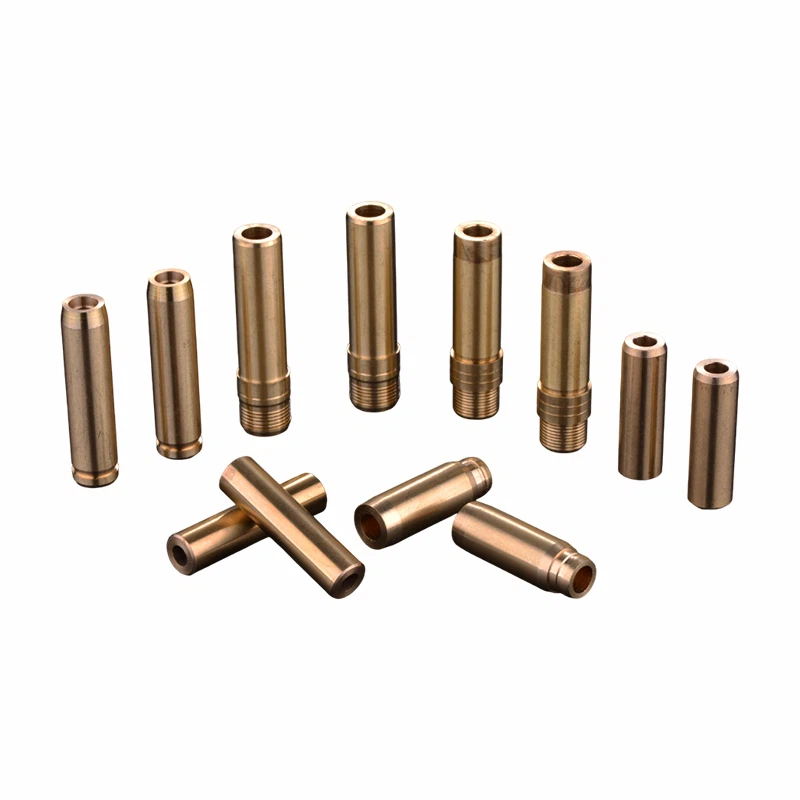
At our company, we offer a wide range of bronze alloys, including Bronze Shaped Tube, Bronze Round Bar, and Bronze Square Rod. Our alloys are carefully selected and tested to ensure they meet the highest standards of quality and performance.
If you're interested in learning more about our bronze alloys or have any questions about galvanic corrosion, please don't hesitate to contact us. We're here to help you find the right solution for your needs.


In conclusion, while there are some risks of galvanic corrosion when bronze alloys are in contact with other metals, there are also ways to prevent it. By taking the right precautions and choosing the right alloy, you can ensure that your bronze components will last for years to come.
References:
- Fontana, M. G. (1986). Corrosion engineering. McGraw-Hill.
- Jones, D. A. (1996). Principles and prevention of corrosion. Prentice Hall.