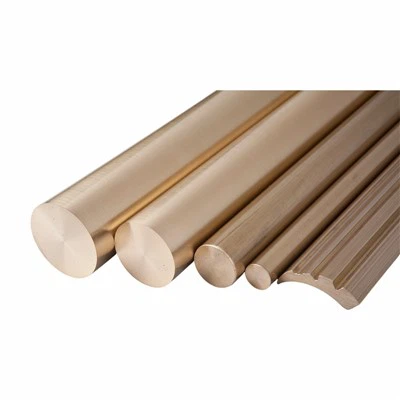
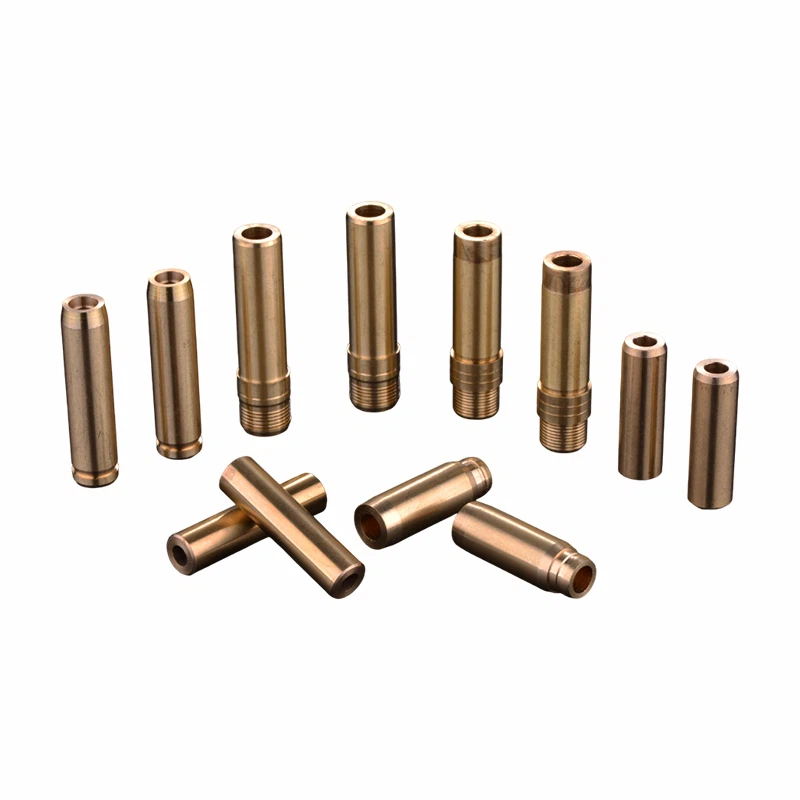
Hey there! As a supplier of steel products, I've seen firsthand how different manufacturing processes can have a huge impact on the final product. In this blog post, I'm gonna break down the effects of various manufacturing methods on steel products, so you can make more informed decisions when it comes to your steel needs.
Casting
Let's start with casting. Casting is one of the oldest and most common ways to make steel products. It involves melting steel and pouring it into a mold, where it cools and solidifies into the desired shape. This process is great for making complex shapes that would be hard to achieve through other methods.
One of the big effects of casting on steel is its impact on the grain structure. When steel cools during casting, the grains form in a somewhat random pattern. This can lead to a product that's relatively isotropic, meaning its properties are similar in all directions. However, casting can also introduce some porosity, which are tiny holes in the steel. Porosity can weaken the steel and make it more prone to cracking, especially under stress.
Another thing to consider is the surface finish. Cast steel products usually have a rough surface, which might need additional machining to get a smooth finish. But on the plus side, casting allows for a high level of customization. You can create all sorts of unique designs, from small components to large industrial parts. For example, if you're looking for something like a Steel Piston Shoe, casting could be a good manufacturing option to achieve its specific shape.
Forging
Forging is a whole different ballgame. It involves using compressive forces to shape the steel while it's in a heated state. This can be done with a hammer or a press. Forged steel products are known for their strength and durability.


The forging process aligns the grain structure of the steel in the direction of the force applied. This results in a product that has superior mechanical properties, especially in terms of toughness and fatigue resistance. Forged parts can withstand high levels of stress and are less likely to fail under heavy loads.
Compared to casting, forging generally produces a more uniform and dense structure. There's less porosity, which means better overall quality. Forged steel also has a better surface finish right out of the process, reducing the need for extensive machining. However, forging is more limited in terms of the shapes it can produce. Complex geometries might be difficult or impossible to forge, and it usually requires more specialized equipment and skilled labor, which can drive up the cost.
Machining
Machining is a subtractive process where material is removed from a steel workpiece to create the desired shape. This can include processes like turning, milling, drilling, and grinding. Machining allows for extremely high precision and can be used to create very accurate and detailed parts.
One of the main effects of machining on steel is the improvement of surface finish. You can achieve a smooth, precise surface that meets tight tolerances. This is crucial for parts that need to fit together perfectly, like in automotive or aerospace applications.
However, machining can also introduce some residual stresses in the steel. These are stresses that remain in the material after the machining process is complete. Residual stresses can cause the part to deform over time, especially if it's exposed to heat or other external forces. To minimize these stresses, additional heat treatment or stress relief processes might be required.
Heat Treatment
Heat treatment is not a manufacturing process in the traditional sense, but it plays a crucial role in altering the properties of steel products. It involves heating the steel to a specific temperature and then cooling it at a controlled rate.
There are several types of heat treatment, such as annealing, quenching, and tempering. Annealing is used to soften the steel, making it easier to work with. It involves heating the steel to a high temperature and then slowly cooling it. This process relieves internal stresses and refines the grain structure.
Quenching, on the other hand, is a rapid cooling process that hardens the steel. It can make the steel very strong but also brittle. That's where tempering comes in. Tempering is done after quenching to reduce the brittleness and improve the toughness of the steel.
Heat treatment can have a profound effect on the mechanical properties of steel. It can increase its hardness, strength, and wear resistance, or it can make it more ductile and malleable, depending on the specific requirements of the product. For example, a steel component that needs to withstand heavy wear, like a gear, might undergo a heat treatment process to enhance its hardness and durability.
Welding
Welding is used to join two or more pieces of steel together. It's a critical process in many industries, from construction to manufacturing. When steel is welded, it goes through a rapid heating and cooling cycle, which can have significant effects on the material.
One of the main issues with welding is the formation of a heat-affected zone (HAZ). The HAZ is the area around the weld where the properties of the steel are altered due to the heat. The steel in the HAZ can become softer or harder than the base metal, depending on the welding process and the type of steel. This can lead to potential weaknesses in the joint.
Another consideration is the presence of residual stresses in the welded joint. These stresses can cause distortion or cracking in the steel. To address these issues, post-weld heat treatment or stress relief measures are often required.
However, when done correctly, welding can create strong and reliable joints that are essential for many steel products. It allows for the creation of large structures and assemblies by joining smaller components together.
How These Effects Impact Your Decision
So, how do all these effects of different manufacturing processes impact your decision as a buyer? Well, it all depends on your specific requirements. If you need a product with a complex shape, casting might be your best bet, even though it has some drawbacks like porosity. But if you're looking for maximum strength and durability, forging could be the way to go.
For applications where precision is key, machining is essential. And heat treatment can fine-tune the properties of the steel to meet your exact needs. Welding is necessary when you need to assemble multiple steel parts.
As a steel products supplier, I can help you navigate through these options. Whether you're in the automotive, construction, or aerospace industry, we have the expertise to recommend the right manufacturing process for your project.
If you're interested in learning more about our steel products or discussing your specific requirements, don't hesitate to reach out. I'm always happy to have a chat and help you find the best solutions for your steel needs. Let's start a conversation and see how we can work together to get you the high-quality steel products you deserve.
References
- ASM Handbook Committee. (2005). ASM Handbook, Volume 1: Properties and Selection: Irons, Steels, and High-Performance Alloys. ASM International.
- Kalpakjian, S., & Schmid, S. R. (2009). Manufacturing Engineering and Technology. Pearson Prentice Hall.