


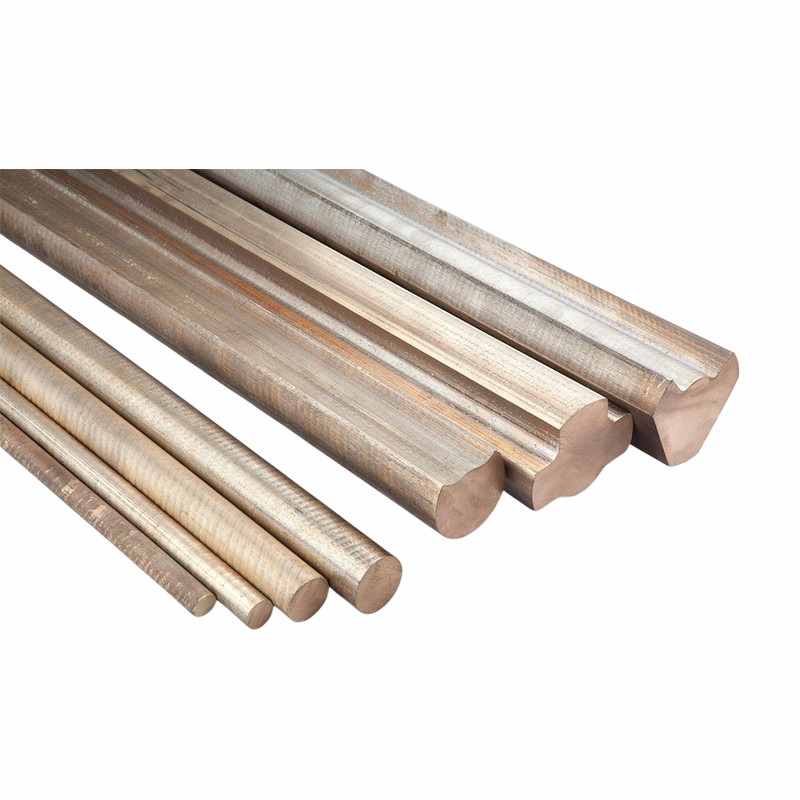
As a supplier of bronze round bars, I've witnessed firsthand the widespread use of these versatile products across various industries. From construction to manufacturing, bronze round bars are valued for their durability, corrosion resistance, and aesthetic appeal. However, like any industrial material, the production and use of bronze round bars have environmental implications that we must consider. In this blog post, I'll explore the environmental impacts of using bronze round bars, from raw material extraction to end-of-life disposal.
Raw Material Extraction
The production of bronze round bars begins with the extraction of raw materials, primarily copper and tin. Copper is typically mined from large open-pit mines, which can have significant environmental impacts. These mines often require extensive land clearing, leading to habitat destruction and soil erosion. Additionally, the mining process generates large amounts of waste rock and tailings, which can contaminate nearby water sources with heavy metals and other pollutants.
Tin mining also poses environmental challenges. Many tin mines are located in tropical regions, where deforestation and soil degradation are major concerns. The extraction of tin often involves the use of mercury, a highly toxic substance that can contaminate water and soil, posing a threat to human health and the environment.
At our company, we are committed to sourcing our raw materials responsibly. We work closely with our suppliers to ensure that they adhere to strict environmental and social standards. We prioritize suppliers who use sustainable mining practices, such as reducing water consumption, minimizing waste generation, and rehabilitating mined areas.
Energy Consumption
The production of bronze round bars requires a significant amount of energy. The smelting process, in particular, is energy-intensive, as it involves heating the raw materials to high temperatures to separate the metal from the ore. This energy is typically derived from fossil fuels, such as coal and natural gas, which contribute to greenhouse gas emissions and climate change.
To reduce our energy consumption and carbon footprint, we have invested in energy-efficient technologies and processes. Our state-of-the-art smelting facilities are equipped with advanced furnaces and heat recovery systems, which help to minimize energy waste and improve overall efficiency. We also use renewable energy sources, such as solar and wind power, to supplement our energy needs.
Waste Generation
The production of bronze round bars generates various types of waste, including slag, dust, and scrap metal. Slag is a byproduct of the smelting process and contains a mixture of metal oxides, silica, and other impurities. If not properly managed, slag can contaminate soil and water, posing a threat to the environment.
Dust and fumes generated during the production process can also be a health and environmental hazard. These particles can contain heavy metals, such as lead and cadmium, which can be harmful if inhaled or ingested. To minimize the release of dust and fumes, we have installed advanced air pollution control systems in our facilities, including baghouses and scrubbers.
Scrap metal is another significant waste stream in the production of bronze round bars. However, unlike many other materials, bronze is highly recyclable. We have established a comprehensive recycling program to collect and reuse scrap metal generated during the production process. By recycling scrap metal, we not only reduce waste but also conserve natural resources and energy.
Product Use and End-of-Life Disposal
Once the bronze round bars are produced, they are used in a wide range of applications. The environmental impact of using bronze round bars depends on the specific application and how the product is used. In general, bronze is a durable and long-lasting material, which means that it can reduce the need for frequent replacements and repairs, thereby conserving resources and reducing waste.
At the end of their useful life, bronze round bars can be recycled. Recycling bronze requires significantly less energy than producing new bronze from raw materials, making it an environmentally friendly option. We encourage our customers to recycle their bronze products at the end of their life to minimize waste and conserve resources.

Comparing with Other Materials
When considering the environmental impact of using bronze round bars, it's important to compare them with other materials. For example, compared to steel, bronze has a lower carbon footprint during the production process. Steel production is highly energy-intensive and generates large amounts of greenhouse gas emissions. Additionally, bronze is more corrosion-resistant than steel, which means that it can last longer and require less maintenance, reducing the overall environmental impact.
Compared to plastic, bronze is a more sustainable option. Plastic is derived from fossil fuels and is not biodegradable, which means that it can persist in the environment for hundreds of years. In contrast, bronze is a natural material that can be recycled indefinitely.
Our Commitment to Sustainability
As a supplier of bronze round bars, we are committed to minimizing the environmental impact of our products. We believe that sustainability is not only good for the environment but also for our business and our customers. By adopting sustainable practices, we can reduce costs, improve efficiency, and enhance our reputation as a responsible corporate citizen.
In addition to our efforts in raw material sourcing, energy efficiency, waste management, and recycling, we are also involved in research and development to explore new ways to reduce the environmental impact of our products. We are constantly looking for innovative solutions to improve the sustainability of our production processes and products.
Conclusion
In conclusion, while the production and use of bronze round bars have some environmental impacts, there are also many opportunities to minimize these impacts through responsible sourcing, energy efficiency, waste management, and recycling. As a supplier, we are committed to playing our part in reducing the environmental footprint of our products and promoting a more sustainable future.
If you are interested in learning more about our bronze round bars or discussing your specific requirements, please feel free to contact us. We would be happy to provide you with more information and assist you in making an informed decision.
References
- "Environmental Impact of Mining." World Bank Group.
- "Energy Efficiency in the Metals Industry." International Energy Agency.
- "Recycling of Metals: A Review." Journal of Cleaner Production.


