Hey there! As a supplier in the rail traffic industry, I've been thinking a lot about the business opportunities hidden within the rail traffic supply chain. In this blog, I'm gonna share some insights based on my experiences and what I've seen in the market.
First off, let's talk about the scale of the rail traffic industry. It's massive! With the continuous growth of urbanization and the increasing demand for efficient transportation, the development of rail traffic, including high - speed railways, subways, and light rails, has been booming. This booming development brings a wide range of business opportunities at every stage of the supply chain.
Component Manufacturing
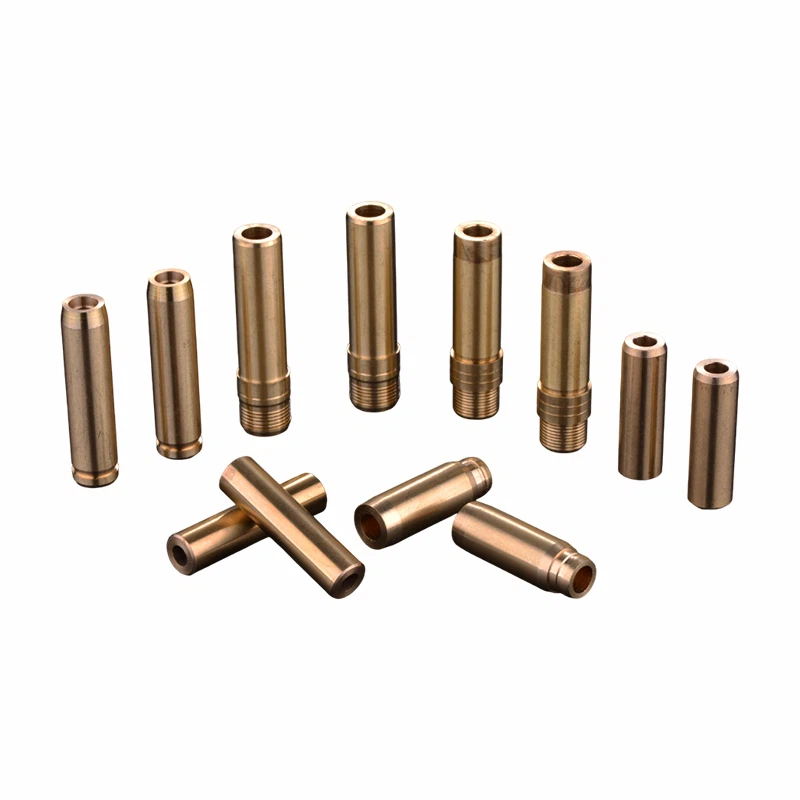
One of the most obvious business opportunities lies in component manufacturing. Rail vehicles are complex machines that require a vast number of components. For example, when it comes to the hydraulic systems in trains, there are essential parts like Copper Bushing. These bushings play a crucial role in reducing friction and wear between moving parts, ensuring the smooth operation of the hydraulic system.


Another important component is the Plunger Pump Ball Retainer. It helps in maintaining the proper position of the balls in the plunger pump, which is a key part of the hydraulic power - generating mechanism. And let's not forget about the Piston Shoe. It transfers the force from the piston to other components, and its quality directly affects the performance and efficiency of the hydraulic system.
Manufacturing these high - quality components requires advanced technology and strict quality control. As a supplier, if you can produce components that meet or exceed the industry standards, you'll have a great chance to secure long - term contracts with rail vehicle manufacturers. There's always a high demand for reliable and durable components, especially as rail operators are constantly looking to improve the safety and efficiency of their trains.
Maintenance and Repair Services
The maintenance and repair of rail vehicles and infrastructure are also huge business areas. Rail systems operate around the clock, and regular maintenance is essential to ensure their safety and reliability. This includes everything from routine inspections to major overhauls.
As a supplier, you can offer specialized maintenance and repair services for the components you manufacture. For example, if you're a producer of hydraulic components, you can provide on - site repair services, replacement part installation, and preventive maintenance programs. This not only adds value to your products but also creates an additional revenue stream.
Moreover, with the development of new technologies such as predictive maintenance, there are even more opportunities. Predictive maintenance uses data analytics and sensors to predict when a component is likely to fail, allowing for proactive maintenance. If you can integrate these technologies into your maintenance and repair services, you'll be at the forefront of the market.
Infrastructure Construction
The construction of rail infrastructure, such as tracks, stations, and depots, is another area full of business potential. When building new rail lines or expanding existing ones, there's a need for a variety of materials and equipment. This includes steel for tracks, concrete for platforms, and electrical systems for power supply.
As a supplier, you can get involved in providing these materials and equipment. You can also offer technical support and consulting services during the construction process. For example, you can help with the selection of the right materials based on the specific requirements of the project, such as the climate and traffic volume of the area.
Upgrades and Retrofits
As the rail industry evolves, there's a growing need for upgrades and retrofits of existing rail systems. This could be to improve energy efficiency, enhance safety features, or meet new regulatory requirements.
For components suppliers, this means there's a market for providing upgraded versions of your products. For instance, you can develop more energy - efficient hydraulic components or components with better safety features. You can also work with rail operators to develop retrofit solutions that can be easily integrated into their existing systems.
Supply Chain Management
Effective supply chain management is crucial in the rail traffic industry. Rail vehicle manufacturers and operators need to ensure a steady supply of components and materials to avoid production delays or service disruptions.
As a supplier, you can offer supply chain management services. This includes inventory management, logistics, and just - in - time delivery. By optimizing the supply chain, you can help your customers reduce costs and improve their operational efficiency. You can also build stronger relationships with your customers by providing reliable and efficient supply chain solutions.
Collaboration and Partnerships
In the rail traffic supply chain, collaboration and partnerships are key. You can collaborate with other suppliers, research institutions, and rail operators to develop new products and technologies. For example, you can partner with a research institution to conduct joint research on new materials or manufacturing processes.
By working together, you can share resources, knowledge, and risks. This can lead to the development of innovative products and solutions that can give you a competitive edge in the market. You can also form strategic partnerships with rail operators to understand their future needs and develop customized products and services.
Market Challenges
Of course, there are also challenges in the rail traffic supply chain. The industry is highly regulated, and you need to comply with a variety of safety and quality standards. There's also intense competition, especially in the component manufacturing sector. To succeed, you need to continuously invest in research and development to improve your products and processes.
Another challenge is the long sales cycle. Rail projects often involve a long decision - making process, from project planning to procurement. As a supplier, you need to be patient and have a long - term perspective.
Conclusion
In conclusion, the rail traffic supply chain offers a wealth of business opportunities. Whether it's component manufacturing, maintenance and repair services, infrastructure construction, upgrades and retrofits, supply chain management, or collaboration and partnerships, there are many ways for a supplier like me to thrive in this industry.
If you're interested in any of the products or services I've mentioned, or if you have specific requirements for your rail traffic projects, I'd love to have a chat with you. Let's explore how we can work together to meet your needs and achieve mutual success.
References
- Industry reports on rail traffic development
- Technical papers on rail vehicle components and systems
- Case studies of successful rail traffic supply chain management