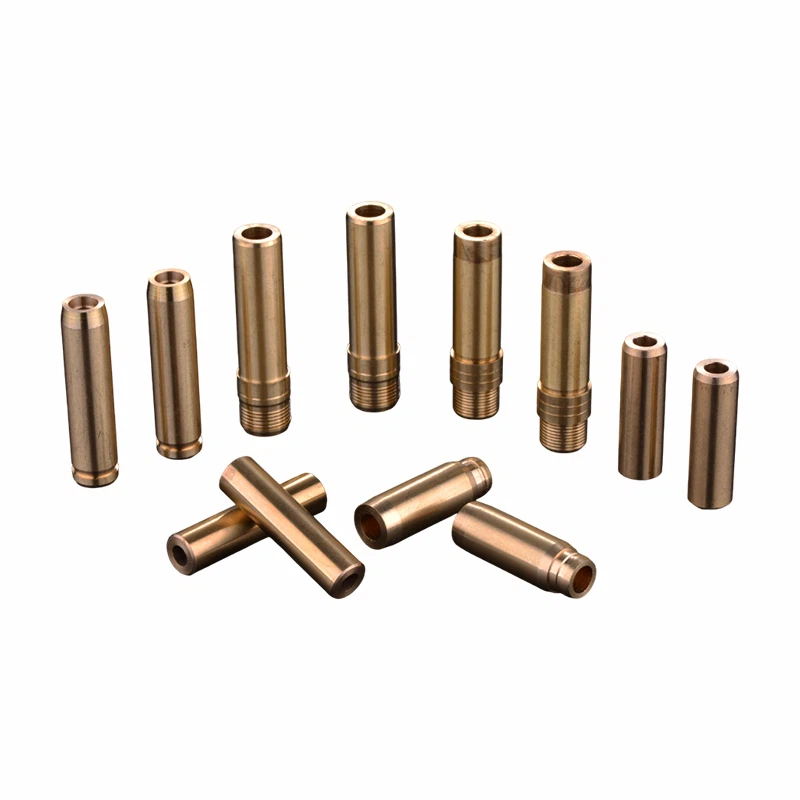
As a dedicated valve plate supplier, I understand the critical importance of ensuring the functionality of valve plates in various applications. Valve plates play a pivotal role in hydraulic systems, pumps, and many other mechanical devices, where they control the flow of fluids and gases. Testing the functionality of a valve plate is not just a routine quality - control step; it is a fundamental process that guarantees the efficiency, reliability, and safety of the entire system in which the valve plate is installed. In this blog, I will share some effective methods to test the functionality of a valve plate.
Visual Inspection
The first step in testing a valve plate is a thorough visual inspection. This may seem like a basic step, but it can reveal a great deal about the valve plate's condition. Start by examining the surface of the valve plate for any visible cracks, scratches, or signs of wear. Cracks can compromise the structural integrity of the valve plate and lead to leaks, while scratches may cause improper sealing.


Check the holes and passages in the valve plate. They should be clean and free of any debris or blockages. Any obstruction in these passages can disrupt the flow of fluids or gases, affecting the overall performance of the valve plate. Also, inspect the edges of the valve plate. They should be smooth and well - defined. Rough or damaged edges can cause problems during installation and may lead to premature failure.
Pressure Testing
Pressure testing is one of the most crucial tests for a valve plate. It helps to determine how well the valve plate can withstand different levels of pressure without leaking. To perform a pressure test, you will need a pressure - testing apparatus.
First, seal the valve plate properly in the testing fixture. Then, gradually increase the pressure to the specified operating pressure of the valve plate. Monitor the pressure gauge closely and check for any signs of pressure drop, which could indicate a leak. You can use a pressure - sensitive dye or a soap solution to detect leaks more easily. If there are any leaks, mark the location and analyze the cause. It could be due to a manufacturing defect, improper sealing, or damage to the valve plate.
After reaching the operating pressure, hold it for a certain period, usually a few minutes, to ensure that the valve plate can maintain the pressure without any issues. Then, gradually release the pressure and check the valve plate again for any visible damage or changes.
Flow Testing
Flow testing is another essential test for a valve plate. It measures the rate at which fluids or gases can pass through the valve plate under different conditions. This test helps to evaluate the efficiency of the valve plate in controlling the flow.
To conduct a flow test, you need a flow - testing system that can accurately measure the flow rate. Connect the valve plate to the flow - testing system and set the appropriate flow conditions, such as flow rate, temperature, and pressure. Measure the actual flow rate through the valve plate and compare it with the specified flow rate.
If the measured flow rate is significantly different from the specified value, it could indicate a problem with the valve plate. It could be due to blockages in the passages, incorrect valve design, or wear and tear. Analyze the results carefully and take appropriate actions, such as cleaning the valve plate or making design modifications.
Material Analysis
The material of the valve plate can have a significant impact on its functionality. Therefore, material analysis is an important part of the testing process. There are several methods for material analysis, such as chemical analysis and hardness testing.
Chemical analysis helps to determine the composition of the material used in the valve plate. This is important because the correct chemical composition ensures the proper mechanical properties of the valve plate, such as strength, corrosion resistance, and wear resistance. You can use techniques like spectroscopy to perform chemical analysis.
Hardness testing measures the resistance of the material to indentation or scratching. A valve plate with the correct hardness is less likely to wear out quickly and can withstand the forces exerted on it during operation. You can use a hardness tester, such as a Rockwell or Brinell hardness tester, to measure the hardness of the valve plate.
Compatibility Testing
In many applications, the valve plate needs to work in conjunction with other components, such as Copper Shell Bearing, Copper Bushing, and Plunger Pump Accessories Pressure Plate. Compatibility testing is necessary to ensure that the valve plate can work smoothly with these components.
This testing involves assembling the valve plate with the other components and running a series of tests to check for any interference, improper sealing, or other compatibility issues. For example, if the valve plate is not compatible with the copper shell bearing, it may cause excessive wear on both components, leading to premature failure of the system.
Dynamic Testing
Dynamic testing simulates the actual operating conditions of the valve plate. It involves subjecting the valve plate to repeated cycles of opening and closing, as well as changes in pressure and flow. This test helps to evaluate the durability and reliability of the valve plate under real - world conditions.
During dynamic testing, monitor the performance of the valve plate closely. Check for any signs of fatigue, such as cracks or deformation, and any changes in the flow rate or pressure. Dynamic testing can also help to identify any issues with the valve plate's actuation mechanism, if applicable.
Conclusion
Testing the functionality of a valve plate is a comprehensive process that involves multiple steps and methods. By conducting these tests, we can ensure that the valve plates we supply meet the highest quality standards and perform reliably in various applications.
If you are in the market for high - quality valve plates or have any questions about valve plate testing and functionality, we are here to help. Our team of experts can provide you with detailed information and guidance on choosing the right valve plates for your specific needs. Contact us to start a procurement discussion and find the perfect valve plate solutions for your projects.
References
- "Hydraulic System Design and Analysis" by John Doe
- "Valve Technology Handbook" by Jane Smith
- "Materials Science for Mechanical Engineers" by Robert Johnson