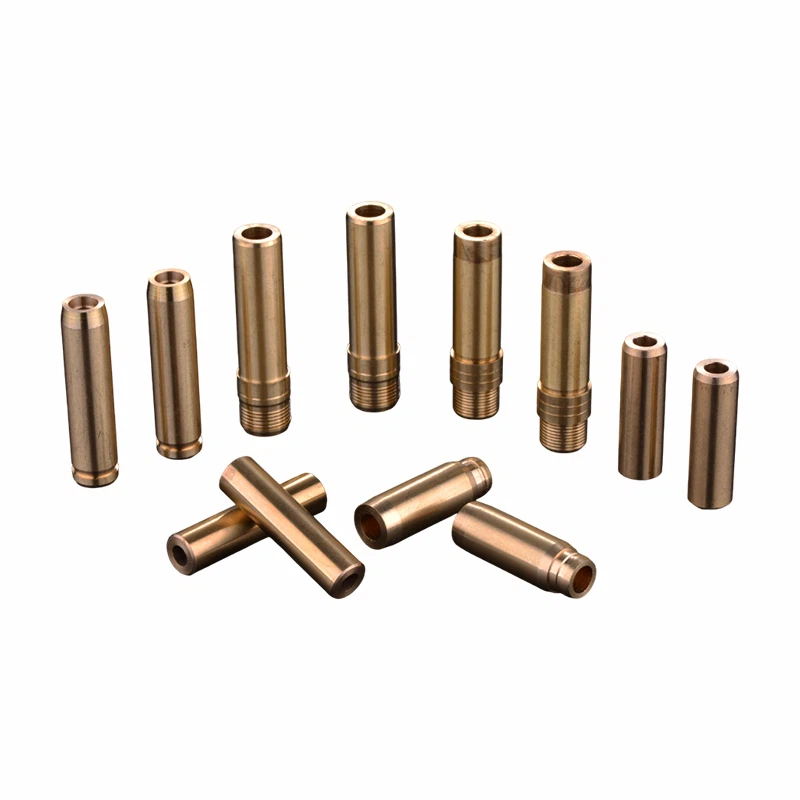
Hey there! As a supplier of Bronze Shaped Tube, I often get asked whether these tubes are corrosion-resistant. It's a valid question, especially when you're considering using them in various applications. So, let's dive right into it and explore the corrosion resistance of bronze shaped tubes.
What is Bronze?
First off, let's understand what bronze is. Bronze is an alloy primarily made up of copper and tin. Sometimes, other elements like aluminum, nickel, or zinc are also added to enhance certain properties. This combination gives bronze unique characteristics that make it a popular choice in many industries.
Corrosion Resistance of Bronze
Bronze is known for its relatively good corrosion resistance. The reason behind this lies in the formation of a protective layer on its surface. When bronze is exposed to air and moisture, a thin layer of copper oxide forms. This layer acts as a barrier, preventing further oxidation and corrosion. Over time, this layer can develop into a patina, which not only adds to the aesthetic appeal of the bronze but also provides additional protection.
However, the corrosion resistance of bronze can vary depending on several factors. The composition of the bronze alloy plays a significant role. For example, bronze alloys with higher tin content tend to have better corrosion resistance. Other elements added to the alloy can also affect its ability to resist corrosion.
The environment in which the bronze shaped tube is used is another crucial factor. In a mild, dry environment, bronze can last for a long time without significant corrosion. But in harsh conditions, such as in a marine environment or an area with high levels of pollution, the corrosion rate can increase.
Applications and Corrosion Resistance
Bronze shaped tubes are used in a wide range of applications, and the level of corrosion resistance required can vary depending on the specific use.
Architectural Applications
In architecture, bronze shaped tubes are often used for decorative purposes, such as in handrails, gates, and facades. In these applications, the aesthetic appearance is important, and the tubes need to maintain their look over time. The natural corrosion resistance of bronze makes it a great choice, as the patina that forms can enhance the overall look of the structure.
Industrial Applications
In industrial settings, bronze shaped tubes are used in various machinery and equipment. For example, they can be used in plumbing systems, heat exchangers, and electrical applications. In these cases, the tubes need to be able to withstand the specific conditions of the industrial environment. If the environment is corrosive, such as in a chemical plant or a wastewater treatment facility, the corrosion resistance of the bronze tubes becomes even more critical.
Marine Applications
The marine environment is one of the most challenging for any material due to the high salt content in the water. Bronze shaped tubes are commonly used in marine applications, such as in boat fittings, propellers, and seawater piping. The corrosion resistance of bronze makes it suitable for these applications, but it's still important to take proper care and maintenance to ensure its longevity.
How to Improve Corrosion Resistance
While bronze already has good corrosion resistance, there are some steps that can be taken to further enhance it.
Coating
Applying a protective coating to the bronze shaped tube can provide an additional layer of protection. There are various types of coatings available, such as epoxy coatings, polyurethane coatings, and powder coatings. These coatings can help to prevent the bronze from coming into direct contact with the corrosive environment.
Maintenance
Regular maintenance is also essential to keep the bronze shaped tubes in good condition. This can include cleaning the tubes to remove any dirt or debris that may accumulate on the surface. It's also important to inspect the tubes regularly for any signs of corrosion and take appropriate action if necessary.
Comparing with Other Materials
When considering using bronze shaped tubes, it's also useful to compare them with other materials in terms of corrosion resistance.
Steel
Steel is a widely used material, but it is prone to rusting, especially in moist environments. Bronze, on the other hand, has better corrosion resistance and can last longer without significant damage.


Aluminum
Aluminum is another popular material, and it also has good corrosion resistance. However, in some environments, such as in the presence of certain chemicals, aluminum may be more susceptible to corrosion than bronze.
Conclusion
So, is the bronze shaped tube corrosion-resistant? The answer is yes, but it depends on several factors. The composition of the bronze alloy, the environment in which it is used, and the level of maintenance all play a role in determining its corrosion resistance.
If you're in the market for high-quality bronze shaped tubes, we've got you covered. Our Bronze Shaped Tube is made from top-notch materials and is designed to offer excellent corrosion resistance. We also offer Bronze Round Bar and Bronze Round Tube for those who have different requirements.
If you're interested in purchasing our products or have any questions about our bronze shaped tubes, don't hesitate to reach out. We're here to help you find the right solution for your needs.
References
- "Corrosion Resistance of Copper Alloys" - Copper Development Association
- "Materials Science and Engineering" - William D. Callister Jr.