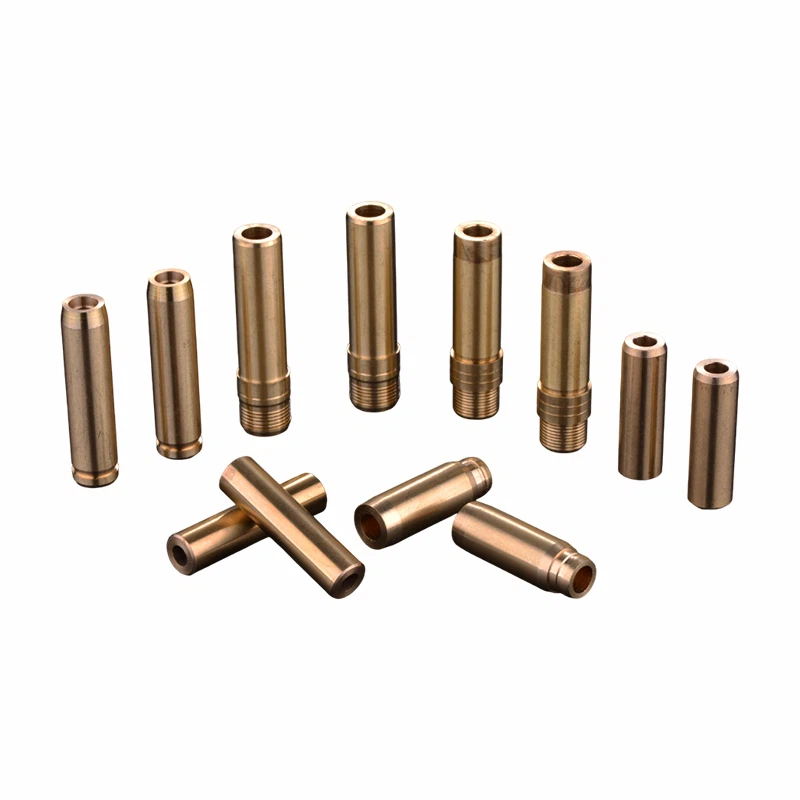
Hey there! As a piston shoe supplier, I've been knee - deep in the world of these crucial hydraulic components. One question that often pops up is how the elasticity of a piston shoe material affects its function. Let's dig into this topic and see what we can uncover.
First off, let's talk about what elasticity actually means. In simple terms, elasticity is the ability of a material to deform under stress and then return to its original shape once the stress is removed. It's like a rubber band. You stretch it, and when you let go, it snaps back. In the context of piston shoes, this property can have a huge impact on how well they work.
1. Impact on Sealing Performance
One of the key functions of a piston shoe is to create a good seal within the hydraulic system. A piston shoe with the right amount of elasticity can conform to the surface it's in contact with. For example, when it's pressed against the Cylinder Block, the elastic material can fill in any small irregularities on the block's surface. This helps to prevent hydraulic fluid from leaking out.
If the material is too rigid and lacks elasticity, it won't be able to adapt to these surface imperfections. As a result, there will be gaps between the piston shoe and the cylinder block, leading to fluid leakage. This not only reduces the efficiency of the hydraulic system but can also cause damage over time. On the other hand, if the material is too elastic, it might deform too much under pressure. This could lead to an uneven seal and also affect the overall stability of the piston shoe within the system.
2. Absorption of Vibration and Shock
Hydraulic systems can generate a lot of vibration and shock during operation. Elastic piston shoe materials can act as shock absorbers. When the piston is in motion, it experiences sudden changes in pressure and force. The elastic material can compress and expand in response to these forces, absorbing the energy of the shock and vibration.
This is really important because excessive vibration can cause wear and tear on the piston shoe and other components in the system. By reducing the impact of vibration, the elastic material helps to extend the lifespan of the piston shoe and the entire hydraulic system. For instance, in a high - pressure plunger pump, the piston shoes are constantly under stress. An elastic material can handle these stress fluctuations better than a rigid one, keeping the pump running smoothly.
3. Compatibility with Other Components
Piston shoes work in conjunction with other parts of the hydraulic system, such as the Plunger Pump Ball Retainer and Plunger Pump Accessories Pressure Plate. The elasticity of the piston shoe material affects how well it interacts with these components.
A piston shoe with appropriate elasticity can maintain proper contact with the ball retainer and pressure plate. It can adjust to the movements and forces exerted by these parts without causing excessive wear or damage. If the material is too stiff, it might not be able to move in sync with the other components, leading to misalignment and premature failure.
4. Influence on Efficiency
The efficiency of a hydraulic system is directly related to how well the piston shoes perform. Elastic piston shoe materials can contribute to higher efficiency in several ways. Firstly, as we mentioned earlier, they help to create a better seal, which reduces fluid leakage. Less leakage means that more of the hydraulic energy is used to perform useful work, rather than being wasted.
Secondly, the ability to absorb vibration and shock means that the system can operate more smoothly. There is less energy loss due to unnecessary movement and friction. This all adds up to a more efficient hydraulic system overall. For example, in a large - scale industrial hydraulic system, even a small improvement in piston shoe efficiency can result in significant cost savings over time.
5. Material Selection Based on Elasticity
When it comes to choosing the right material for piston shoes, elasticity is a major factor. Different applications require different levels of elasticity. For low - pressure systems, a material with relatively high elasticity might be suitable as it can provide a good seal and absorb minor vibrations. However, for high - pressure systems, a material with a more balanced elasticity is needed. It should be able to withstand the high forces without deforming too much, while still being elastic enough to adapt to surface irregularities.
Common materials used for piston shoes include various types of polymers and metals. Polymers often have higher elasticity, which can be beneficial in some applications. Metals, on the other hand, can offer better strength and durability but may have lower elasticity. Manufacturers often use a combination of materials or treat the materials to achieve the desired level of elasticity.
6. Long - Term Performance
Over time, the elasticity of the piston shoe material can change. Factors such as temperature, pressure, and exposure to hydraulic fluids can all affect the material's properties. A good quality elastic material should be able to maintain its elasticity over a long period. This ensures that the piston shoe continues to function properly throughout its lifespan.
For example, if a piston shoe is used in a hydraulic system that operates at high temperatures, the material should be able to resist thermal degradation and still retain its elastic properties. Otherwise, as the material loses its elasticity, the sealing performance and shock - absorbing ability will decline, leading to reduced system efficiency and potential breakdowns.
7. Customization and Innovation
As a piston shoe supplier, we understand that different customers have different needs. That's why we offer customization options based on the required elasticity of the piston shoe material. We work closely with our customers to understand their specific applications and design piston shoes that meet their exact requirements.
In addition, we're constantly researching and innovating to develop new materials with improved elasticity and performance. We stay up - to - date with the latest industry trends and technologies to ensure that our products are at the forefront of hydraulic component design.


If you're in the market for high - quality piston shoes or have any questions about how elasticity affects their function, don't hesitate to reach out. We're here to help you find the perfect solution for your hydraulic system. Whether you need a small batch for a prototype or a large - scale production order, we've got you covered. Contact us to start a discussion about your piston shoe needs and let's work together to optimize your hydraulic system's performance.
References
- "Hydraulic Systems Handbook" by Fluid Power Society
- "Materials Science for Engineers" by John Doe
- Industry reports on hydraulic component design and performance