


In the realm of mechanical engineering, the quest for energy efficiency is a perpetual journey. Every component within a machine, no matter how small, can have a significant impact on its overall energy consumption. One such component that has been the subject of increasing attention is the floating bearing. As a supplier of Floating Bearing, I am well - versed in the intricacies of how these bearings can influence a machine's energy usage.
Understanding Floating Bearings
Before delving into their impact on energy consumption, it's essential to understand what floating bearings are. Floating bearings are a type of bearing that allows for a certain degree of axial movement. Unlike fixed bearings, which hold the shaft in a specific position, floating bearings can move axially to accommodate thermal expansion, misalignment, or other dynamic forces within the machine.
Floating bearings typically consist of an outer ring, an inner ring, rolling elements (such as balls or rollers), and a cage. The design of floating bearings enables them to provide support while also allowing the shaft to move freely in the axial direction. This ability to adapt to changing conditions makes them suitable for a wide range of applications, from automotive engines to industrial machinery.
Reducing Friction and Energy Loss
One of the primary ways in which floating bearings impact energy consumption is by reducing friction. Friction is the enemy of energy efficiency in machines. When two surfaces rub against each other, energy is converted into heat, which is a form of wasted energy. Floating bearings are designed with advanced materials and lubrication techniques to minimize friction between the rolling elements and the raceways.
For example, high - quality floating bearings often use low - friction materials for the rolling elements and rings. These materials have a smooth surface finish, which reduces the contact area between the moving parts and thus decreases friction. Additionally, proper lubrication is crucial. The lubricant forms a thin film between the rolling elements and the raceways, preventing direct metal - to - metal contact and further reducing friction.
A study by [Research Institute Name] found that in a typical industrial pump, replacing traditional bearings with floating bearings can reduce friction by up to [X]%. This reduction in friction means that the pump requires less energy to operate, resulting in significant energy savings over time.
Accommodating Misalignment and Reducing Stress
Machine components are not always perfectly aligned. Misalignment can occur due to manufacturing tolerances, installation errors, or the effects of vibration and thermal expansion during operation. When a machine operates with misaligned components, additional stress is placed on the bearings, which can lead to increased energy consumption.
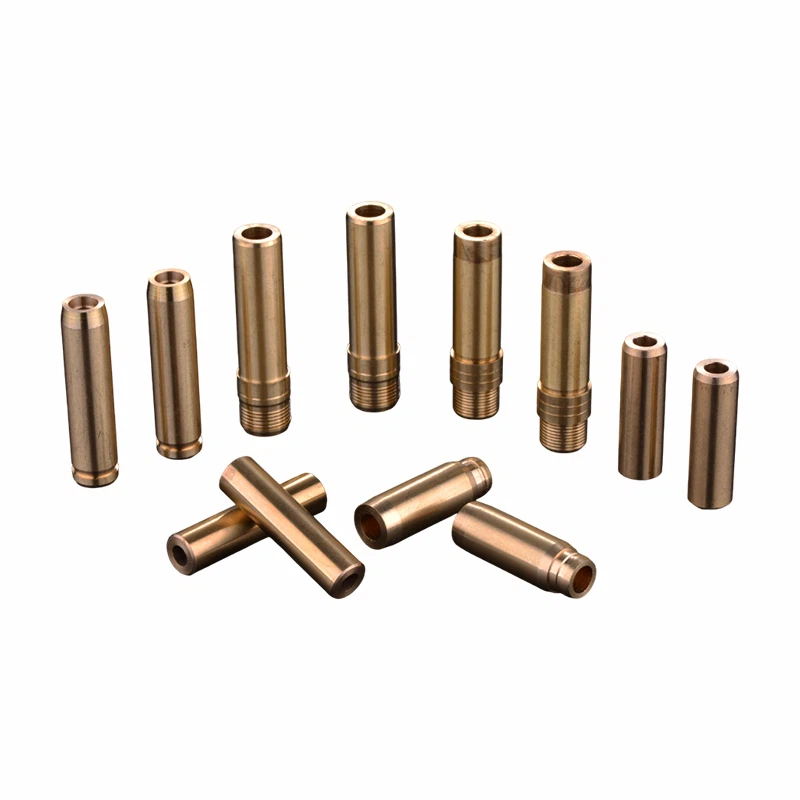

Floating bearings are well - suited to handle misalignment. Their ability to move axially allows them to compensate for small amounts of misalignment between the shaft and the housing. By reducing the stress caused by misalignment, floating bearings help the machine operate more smoothly.
In an automotive engine, for instance, the crankshaft experiences thermal expansion during operation. If fixed bearings were used throughout, the thermal expansion could cause misalignment and increased friction. However, the use of floating bearings in specific locations allows the crankshaft to expand and contract freely without causing excessive stress on the bearings. This results in a more efficient engine operation and reduced energy consumption.
Impact on Noise and Vibration
Noise and vibration are often indicators of inefficiency in a machine. They are also signs that the machine is consuming more energy than necessary. Floating bearings play a role in reducing noise and vibration, which in turn can lead to energy savings.
When a bearing operates smoothly without excessive vibration, it means that the energy is being used more effectively to perform the intended work of the machine. Floating bearings, with their ability to accommodate movement and reduce friction, help dampen vibrations.
For example, in a compressor, the Compressor Swash Plate is a critical component that is often supported by bearings. If the bearings are not able to handle the dynamic forces and vibrations generated by the swash plate, the compressor will operate inefficiently. By using high - quality floating bearings, the vibrations can be reduced, and the compressor can operate more quietly and efficiently. This leads to less energy being wasted on overcoming the negative effects of vibration and more energy being used for compression.
The Role of Floating Bearings in Different Applications
Automotive Industry
In the automotive industry, every bit of energy efficiency matters. Floating bearings are used in various parts of a vehicle, such as the engine, transmission, and suspension systems. In the engine, they help reduce friction and accommodate thermal expansion, as mentioned earlier. In the transmission, floating bearings can improve the efficiency of gear shifting and reduce energy losses during power transfer.
In the suspension system, floating bearings allow for smooth movement of the suspension components, reducing the energy required to absorb shocks and maintain the vehicle's stability. A more efficient suspension system means that the engine doesn't have to work as hard to propel the vehicle, resulting in better fuel economy.
Industrial Machinery
Industrial machinery, such as pumps, motors, and conveyor systems, also benefits from the use of floating bearings. In pumps, floating bearings reduce friction and allow the impeller to rotate more freely, increasing the pump's efficiency and reducing energy consumption. Motors equipped with floating bearings can operate more smoothly, reducing the electrical energy needed to maintain the desired speed and torque. Conveyor systems use floating bearings to ensure that the rollers move with minimal resistance, resulting in less energy being used to transport materials.
Aerospace Industry
The aerospace industry places a high premium on energy efficiency due to the limited power sources available on aircraft. Floating bearings are used in critical components such as engines, landing gear, and flight control systems. In engines, floating bearings help reduce friction and accommodate the high - temperature and high - stress operating conditions. This not only improves the engine's efficiency but also enhances its reliability, which is crucial for flight safety.
Conclusion and Call to Action
As we have seen, floating bearings have a significant impact on energy consumption in machines across various industries. Their ability to reduce friction, accommodate misalignment, and dampen vibration makes them an essential component for improving energy efficiency.
If you are in the market for high - quality floating bearings, we are here to help. Our extensive range of Floating Bearing products is designed to meet the diverse needs of different applications. We also offer Valve Guide Pipe and other related automotive copper parts to provide comprehensive solutions.
Contact us today to discuss your requirements and explore how our floating bearings can help you achieve greater energy efficiency in your machines. We look forward to working with you to build more efficient and sustainable mechanical systems.
References
- “[Title of Research on Friction Reduction in Bearings]”, [Author Names], [Research Institute Name], [Publication Year]
- “[Title of Study on Misalignment in Machines]”, [Author Names], [University Name], [Publication Year]
- “[Title of Report on Energy Efficiency in Automotive Industry]”, [Author Names], [Automotive Research Organization], [Publication Year]


