


Alright, folks! Today I wanna chat about something crucial in the oil and gas industry - copper bushings. As a copper bushing supplier, I've seen firsthand how these little components play a big role in this massive industry.
Let's first understand what copper bushings are. They're basically cylindrical-shaped parts made of copper or copper alloys. They're used in a wide range of applications to reduce friction, wear and tear, and to support moving parts. In the oil and gas industry, where operations are often harsh and demanding, copper bushings are like unsung heroes.
One of the main uses of copper bushings in the oil and gas industry is in drilling equipment. Drilling rigs are the workhorses of the industry, and they rely on a lot of moving parts. Copper bushings are used in the drill bits, drill pipes, and other components. They help to reduce the friction between the moving parts, which in turn reduces the amount of energy required to operate the equipment. This not only makes the drilling process more efficient but also extends the lifespan of the equipment.
For example, in the drill bit, the copper bushing helps to support the rotation of the bit. The high - speed rotation and the pressure exerted during drilling can cause a lot of wear on the parts. But with a copper bushing in place, it can absorb some of the shock and reduce the direct contact between the rotating parts, preventing premature failure.
Another important area where copper bushings are used is in pumps. Pumps are essential for transporting oil and gas from the well to the surface and then to the storage or processing facilities. There are different types of pumps in the oil and gas industry, such as centrifugal pumps and reciprocating pumps.
In a reciprocating pump, copper bushings are used in the piston and cylinder assembly. The piston moves back and forth inside the cylinder, and the copper bushing provides a smooth surface for the piston to slide on. This reduces the friction and wear, ensuring that the pump can operate smoothly and efficiently. It also helps to maintain the seal between the piston and the cylinder, preventing any leakage of the fluid being pumped.
In centrifugal pumps, copper bushings can be found in the shaft bearings. The shaft rotates at high speeds, and the copper bushing helps to keep the shaft in place and reduces the friction. This is crucial because any misalignment or excessive friction in the shaft can lead to pump failure, which can be very costly in terms of downtime and repairs.
Copper bushings are also used in valves. Valves are used to control the flow of oil and gas in pipelines and other equipment. The moving parts in valves, such as the stems and discs, need to move smoothly to open and close properly. Copper bushings are used to support these moving parts and reduce the friction. This ensures that the valves can be operated easily and accurately, preventing any leakage or blockages in the system.
Now, let's talk about some of the specific products related to copper bushings in the hydraulic pump parts area. We have the Cylinder Block. The cylinder block is an important part of the hydraulic pump, and copper bushings are often used inside it. They help to support the pistons and ensure smooth operation of the pump.
The Valve Plate is another crucial component. It controls the flow of fluid in the hydraulic pump. Copper bushings in the valve plate can improve its performance by reducing friction and wear, which in turn enhances the overall efficiency of the pump.
And then there's the Plunger Pump Ball Retainer. This part holds the balls in place in the plunger pump. Copper bushings in the ball retainer can provide better support and stability, ensuring that the pump operates reliably.

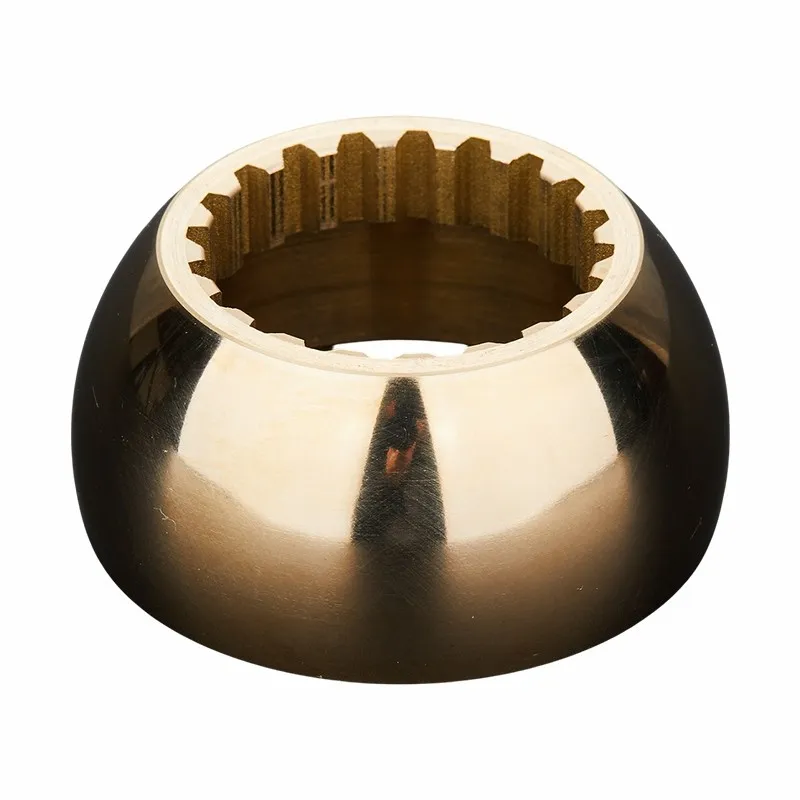
One of the reasons copper is such a great material for bushings in the oil and gas industry is its excellent properties. Copper has good thermal conductivity. In the oil and gas industry, where equipment can generate a lot of heat during operation, the ability of copper to conduct heat away from the moving parts helps to prevent overheating. This is important because overheating can cause the parts to expand and can lead to malfunction or failure.
It also has good corrosion resistance. The oil and gas environment often contains corrosive substances like sulfur and saltwater. Copper and its alloys can withstand these corrosive elements to a certain extent, which means that the copper bushings can last longer in this harsh environment.
In addition, copper is relatively soft compared to some other metals, but this is actually an advantage. It allows the copper bushing to conform to the shape of the mating parts to some degree, providing a better fit and reducing the chances of vibration and noise.
As a copper bushing supplier, I know that quality is key. We produce our copper bushings with strict quality control measures. We use high - grade copper alloys and advanced manufacturing processes to ensure that our bushings can meet the high - standards of the oil and gas industry.
If you're in the oil and gas industry and are looking for reliable copper bushings or related hydraulic pump parts, don't hesitate to contact us. We're here to offer you the best - quality products and excellent service. Whether you need small - scale samples or large - scale bulk orders, we can handle it.
We understand the unique needs of the oil and gas industry, and we're committed to providing solutions that can improve the performance and reliability of your equipment. So, if you're interested in having a chat about your copper bushing requirements, just reach out.
References:
- "Handbook of Oil and Gas Engineering", McGraw - Hill Professional
- "Corrosion and Protection in the Oil and Gas Industry", Woodhead Publishing


