


Shock loads are a common challenge in various mechanical systems, from automotive engines to industrial machinery. These sudden and intense forces can cause significant wear and tear on components, leading to premature failure and costly repairs. As a supplier of Cooper Bushings, I often get asked about how these components handle shock loads. In this blog post, I'll delve into the science behind Cooper Bushings and explain how they are designed to withstand these demanding conditions.
Understanding Shock Loads
Before we dive into how Cooper Bushings handle shock loads, it's important to understand what shock loads are and why they are a concern. Shock loads occur when a mechanical system experiences a sudden change in force or momentum. This can happen due to a variety of factors, such as sudden stops, impacts, or vibrations.
In automotive applications, shock loads can occur when a vehicle hits a pothole, accelerates rapidly, or brakes suddenly. In industrial machinery, shock loads can be caused by the start-up and shutdown of equipment, the impact of moving parts, or the sudden release of stored energy.
The problem with shock loads is that they can generate extremely high stresses in mechanical components. These stresses can cause deformation, cracking, and even complete failure of the component. Over time, repeated exposure to shock loads can lead to a significant reduction in the lifespan of the component and increase the risk of system failure.
How Cooper Bushings Are Designed to Handle Shock Loads
Cooper Bushings are specifically engineered to handle shock loads and provide reliable performance in demanding applications. Here are some of the key design features that make Cooper Bushings effective at dealing with shock loads:
Material Selection
The choice of material is crucial when it comes to designing components that can withstand shock loads. Cooper Bushings are typically made from high-quality copper alloys, which offer excellent mechanical properties and resistance to wear and corrosion.
Copper alloys have a high strength-to-weight ratio, which means they can withstand high stresses without being overly heavy. They also have good ductility, which allows them to deform slightly under shock loads without cracking or breaking. This ability to absorb and dissipate energy helps to protect the bushing and the surrounding components from damage.
Precision Manufacturing
Cooper Bushings are manufactured using advanced precision machining techniques to ensure tight tolerances and a smooth surface finish. This precision manufacturing process helps to minimize friction and wear, which can reduce the impact of shock loads on the bushing.
A smooth surface finish also helps to distribute the load evenly across the bushing, preventing localized stress concentrations that can lead to premature failure. Additionally, the tight tolerances ensure a proper fit between the bushing and the shaft or housing, which helps to maintain the alignment of the components and reduce the risk of misalignment-induced shock loads.
Lubrication
Proper lubrication is essential for reducing friction and wear in mechanical components, especially those that are exposed to shock loads. Cooper Bushings are designed to work with a variety of lubricants, which can help to further enhance their performance and durability.
Lubricants create a thin film between the bushing and the shaft or housing, which reduces friction and wear. They also help to dissipate heat, which can be generated by the shock loads. Additionally, lubricants can help to protect the bushing from corrosion and contamination, which can further extend its lifespan.
Design Features
Cooper Bushings often incorporate specific design features that are intended to enhance their ability to handle shock loads. For example, some bushings may have a flanged design, which provides additional support and stability. Flanges can help to distribute the load more evenly and prevent the bushing from shifting or rotating under shock loads.
Other bushings may have a grooved or textured surface, which can help to improve the retention of lubricant and enhance the bushing's ability to absorb and dissipate energy. These design features can be customized to meet the specific requirements of the application, ensuring optimal performance and reliability.
Real-World Applications of Cooper Bushings in Shock Load Environments
Cooper Bushings are used in a wide range of applications where shock loads are a concern. Here are some examples of how Cooper Bushings are used in real-world shock load environments:
Automotive Industry
In the automotive industry, Cooper Bushings are used in various components, such as suspension systems, steering systems, and engine components. In suspension systems, bushings help to absorb the shock and vibration caused by road irregularities, providing a smoother and more comfortable ride. They also help to maintain the alignment of the wheels and suspension components, which is essential for safe and efficient operation.
In steering systems, Cooper Bushings are used to reduce friction and wear between the steering components, ensuring smooth and precise steering control. They also help to absorb the shock and vibration caused by the steering inputs, improving the overall driving experience.
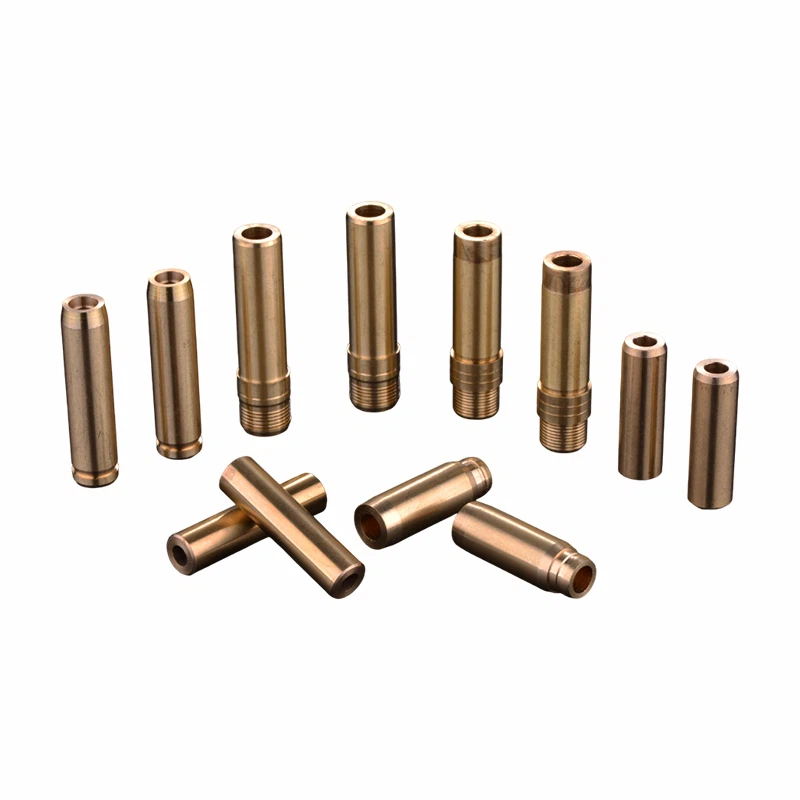

In engine components, such as connecting rods and pistons, Cooper Bushings are used to reduce friction and wear between the moving parts. They also help to absorb the shock and vibration caused by the combustion process, protecting the engine from damage and ensuring reliable performance.
Industrial Machinery
In industrial machinery, Cooper Bushings are used in a variety of applications, such as conveyor systems, pumps, and compressors. In conveyor systems, bushings help to support the rollers and pulleys, reducing friction and wear and ensuring smooth operation. They also help to absorb the shock and vibration caused by the movement of the conveyor belt, protecting the system from damage.
In pumps and compressors, Cooper Bushings are used to support the rotating shafts and reduce friction and wear. They also help to absorb the shock and vibration caused by the pumping or compression process, ensuring reliable performance and extending the lifespan of the equipment.
Aerospace Industry
In the aerospace industry, Cooper Bushings are used in various components, such as landing gear systems, flight control systems, and engine components. In landing gear systems, bushings help to absorb the shock and vibration caused by the landing and takeoff of the aircraft. They also help to maintain the alignment of the landing gear components, ensuring safe and reliable operation.
In flight control systems, Cooper Bushings are used to reduce friction and wear between the control surfaces and the actuators. They also help to absorb the shock and vibration caused by the flight maneuvers, ensuring smooth and precise control of the aircraft.
In engine components, such as turbine blades and shafts, Cooper Bushings are used to reduce friction and wear between the moving parts. They also help to absorb the shock and vibration caused by the high-speed rotation of the engine, protecting the engine from damage and ensuring reliable performance.
Conclusion
Shock loads are a common challenge in many mechanical systems, but Cooper Bushings are designed to handle these demanding conditions with ease. Through careful material selection, precision manufacturing, proper lubrication, and innovative design features, Cooper Bushings are able to absorb and dissipate the energy generated by shock loads, protecting the bushing and the surrounding components from damage.
If you're looking for a reliable solution for your shock load applications, consider using Cooper Bushings. As a supplier of Cooper Bushings, I can provide you with high-quality products that are designed to meet the specific requirements of your application. Whether you're in the automotive, industrial, or aerospace industry, Cooper Bushings can help you improve the performance and reliability of your mechanical systems.
If you're interested in learning more about Cooper Bushings or would like to discuss your specific application requirements, please don't hesitate to [reach out to us for a procurement discussion]. We're here to help you find the right solution for your needs.
References
- "Mechanical Design Handbook" by Robert C. Juvinall and Kurt M. Marshek
- "Materials Science and Engineering: An Introduction" by William D. Callister Jr. and David G. Rethwisch
- "Automotive Engineering Fundamentals" by David Crolla


