


Hey there! I'm a supplier of bronze alloys, and today I wanna chat about the elements that are usually added to bronze to form different alloys. Bronze, as you probably know, is an alloy primarily made up of copper and tin. But the magic really happens when we start throwing in other elements to create alloys with unique properties.
Let's start with tin. Tin is the classic addition to copper to make bronze. Back in the Bronze Age, people discovered that adding tin to copper made the metal harder and more durable. Tin content in bronze can range from about 1% to 25%, but most commonly, it's around 12 - 12.5%. This amount gives the bronze a nice balance of hardness and workability. When you add tin, it forms a solid - solution with copper, which means the tin atoms fit into the copper's crystal structure. This makes the metal more resistant to wear and tear, and it also improves its casting properties. That's why bronze has been used for so long in things like statues, coins, and tools.
Now, let's talk about some other elements that get added to bronze. One of them is aluminum. Aluminum - bronze alloys are super cool. They have excellent corrosion resistance, which makes them great for marine applications. You'll often find aluminum - bronze used in ship propellers, pumps, and valves that are exposed to seawater. The aluminum forms a thin, protective oxide layer on the surface of the alloy, which prevents further corrosion. Aluminum - bronze can also have high strength and good wear resistance. Depending on the specific alloy, the aluminum content can be anywhere from 5% to 12%.

Another element is silicon. Silicon - bronze alloys are known for their good weldability and corrosion resistance. They're often used in architectural applications, like decorative trim and railing. Silicon helps improve the fluidity of the molten bronze during casting, which means it can fill complex molds more easily. Silicon - bronze usually has a silicon content of around 1 - 4%.
Nickel is also a common addition. Nickel - bronze alloys have high strength, good toughness, and excellent corrosion resistance. They're used in a wide range of applications, from electrical connectors to plumbing fittings. Nickel can be added in amounts ranging from a few percent up to about 30%. It helps to stabilize the structure of the bronze and can improve its mechanical properties at both high and low temperatures.
Phosphorus is a small but mighty addition. Phosphorus - bronze alloys have good spring properties, wear resistance, and low friction. They're often used in springs, electrical contacts, and musical instruments. Phosphorus is usually added in very small amounts, typically less than 1%. It acts as a deoxidizer during the melting process, which helps to remove impurities and improve the quality of the alloy.
Manganese is another element that can be added to bronze. Manganese - bronze alloys have high strength and good wear resistance. They're used in things like gears, bushings, and heavy - duty machinery parts. Manganese can be added in amounts of around 1 - 4%. It helps to refine the grain structure of the bronze, which improves its mechanical properties.
As a bronze alloys supplier, I've seen firsthand how these different alloys are used in various industries. For example, if you're in the construction industry and need something for an outdoor project, you might be interested in our Bronze Shaped Tube. It's made from high - quality bronze alloys that offer good corrosion resistance and can be shaped to fit your specific needs.
If you're looking for something more circular, our Bronze Round Tube is a great option. It's strong, durable, and can be used in a variety of applications, from plumbing to structural support.
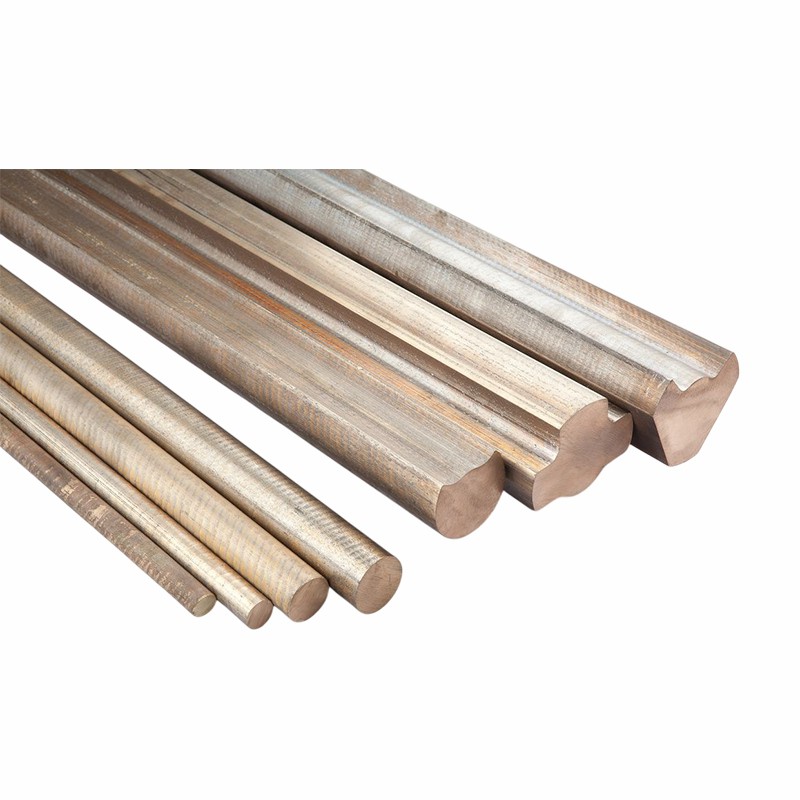
And for those who need a rod - shaped product, our Bronze Shaped Rod is the way to go. It can be machined and fabricated easily, making it suitable for many different projects.
Each of these products is made with the right combination of elements to ensure they meet the highest standards of quality and performance. Whether you need a small quantity for a DIY project or a large order for an industrial application, we've got you covered.
So, if you're in the market for bronze alloys, don't hesitate to reach out. We can provide you with detailed information about our products, including their composition, properties, and pricing. We're always happy to work with you to find the best solution for your needs. Whether you're a manufacturer, a contractor, or a hobbyist, we've got the bronze alloys you're looking for. Contact us today to start the conversation about your next project.
References:
- Metals Handbook: Properties and Selection - Nonferrous Alloys and Pure Metals, ASM International
- Corrosion Resistance of Copper - Base Alloys, Copper Development Association
- The Science and Engineering of Materials, Donald R. Askeland and Pradeep P. Phule


