


As a supplier of Bronze Shaped Tubes, I've encountered numerous inquiries regarding the most suitable welding methods for these unique components. Welding bronze shaped tubes is a critical process that demands careful consideration of various factors, including the type of bronze alloy, the application of the final product, and the specific requirements of the project. In this blog, I'll delve into the different types of welding techniques and discuss which ones are best suited for bronze shaped tubes.
Understanding Bronze Alloys
Before we dive into the welding methods, it's essential to understand the nature of bronze alloys. Bronze is an alloy primarily composed of copper and tin, with other elements such as aluminum, manganese, nickel, or zinc added to enhance specific properties. The composition of the bronze alloy can significantly influence its weldability and the choice of welding method.
There are several types of bronze alloys commonly used in the manufacturing of shaped tubes, each with its own characteristics:

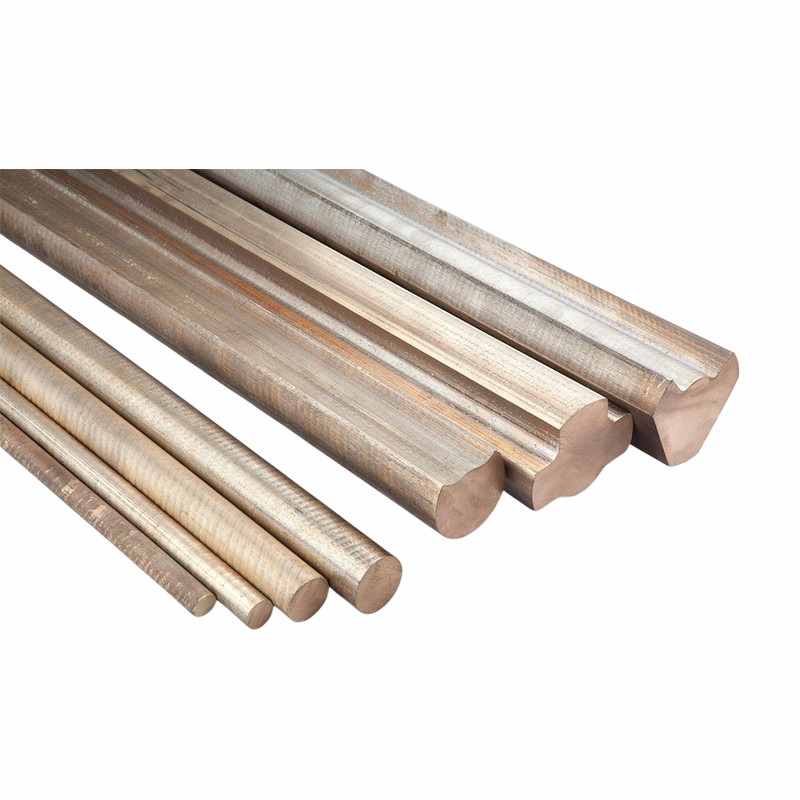
- Phosphor Bronze: This alloy contains a small amount of phosphorus, which improves its strength, hardness, and corrosion resistance. Phosphor bronze is often used in applications where high wear resistance is required, such as bearings and bushings.
- Aluminum Bronze: Aluminum is added to bronze to increase its strength, hardness, and corrosion resistance. Aluminum bronze is commonly used in marine applications, as it can withstand the harsh environment of saltwater.
- Silicon Bronze: Silicon is added to bronze to improve its fluidity and weldability. Silicon bronze is often used in applications where a high-quality weld is required, such as in the manufacturing of electrical components.
Welding Methods for Bronze Shaped Tubes
Now that we have a better understanding of bronze alloys, let's explore the different welding methods suitable for bronze shaped tubes.
Gas Tungsten Arc Welding (GTAW)
Also known as Tungsten Inert Gas (TIG) welding, GTAW is a popular choice for welding bronze shaped tubes. This method uses a non-consumable tungsten electrode to create an arc between the electrode and the workpiece. A shielding gas, typically argon or a mixture of argon and helium, is used to protect the weld area from oxidation.
Advantages of GTAW:
- Precision: GTAW allows for precise control of the weld pool, making it ideal for welding thin-walled bronze shaped tubes.
- High-quality welds: The use of a non-consumable electrode and a shielding gas results in high-quality welds with minimal porosity and contamination.
- Versatility: GTAW can be used to weld a wide range of bronze alloys, including phosphor bronze, aluminum bronze, and silicon bronze.
Disadvantages of GTAW:
- Slow process: GTAW is a relatively slow welding process, which can increase the production time and cost.
- Requires skill: This method requires a high level of skill and experience to achieve consistent results.
Gas Metal Arc Welding (GMAW)
Also known as Metal Inert Gas (MIG) welding, GMAW is another popular choice for welding bronze shaped tubes. This method uses a consumable wire electrode to create an arc between the electrode and the workpiece. A shielding gas, typically a mixture of argon and carbon dioxide, is used to protect the weld area from oxidation.
Advantages of GMAW:
- High deposition rate: GMAW has a high deposition rate, which means that it can weld large areas quickly.
- Ease of use: This method is relatively easy to learn and can be used by operators with limited experience.
- Suitable for thick-walled tubes: GMAW is suitable for welding thick-walled bronze shaped tubes, as it can penetrate deeper into the workpiece.
Disadvantages of GMAW:
- Less precise: GMAW is less precise than GTAW, which can result in a less aesthetically pleasing weld.
- Higher risk of porosity: The use of a consumable electrode and a shielding gas can increase the risk of porosity in the weld.
Shielded Metal Arc Welding (SMAW)
Also known as Stick welding, SMAW is a traditional welding method that is still widely used for welding bronze shaped tubes. This method uses a consumable electrode coated with a flux to create an arc between the electrode and the workpiece. The flux melts during the welding process, creating a shield that protects the weld area from oxidation.
Advantages of SMAW:
- Portability: SMAW is a portable welding method that can be used in remote locations or in the field.
- Suitable for outdoor use: This method is suitable for outdoor use, as it can withstand windy conditions.
- Low cost: SMAW is a relatively low-cost welding method, as it does not require expensive equipment or shielding gas.
Disadvantages of SMAW:
- Low deposition rate: SMAW has a low deposition rate, which means that it can take longer to weld large areas.
- Requires skill: This method requires a high level of skill and experience to achieve consistent results.
- Less precise: SMAW is less precise than GTAW or GMAW, which can result in a less aesthetically pleasing weld.
Brazing
Brazing is a welding method that uses a filler metal with a melting point below that of the base metal to join two pieces of metal together. In brazing, the filler metal is heated to its melting point and flows into the joint by capillary action.
Advantages of Brazing:
- Low heat input: Brazing requires less heat input than welding, which can reduce the risk of distortion and cracking in the bronze shaped tubes.
- Suitable for dissimilar metals: Brazing can be used to join bronze shaped tubes to other metals, such as steel or aluminum.
- High strength joints: Brazed joints can have high strength and good corrosion resistance.
Disadvantages of Brazing:
- Lower joint strength: Brazed joints may have lower strength than welded joints, especially in high-stress applications.
- Requires flux: Brazing requires the use of a flux to clean the surfaces and prevent oxidation, which can add to the cost and complexity of the process.
Factors to Consider When Choosing a Welding Method
When choosing a welding method for bronze shaped tubes, several factors should be considered:
- Type of bronze alloy: Different bronze alloys have different properties and weldability. Some alloys may be more suitable for certain welding methods than others.
- Thickness of the tubes: The thickness of the bronze shaped tubes can also influence the choice of welding method. Thicker tubes may require a welding method with higher penetration, such as GMAW or SMAW.
- Application of the final product: The application of the final product can also affect the choice of welding method. For example, if the product will be used in a high-stress environment, a welding method that produces high-strength joints, such as GTAW or GMAW, may be more suitable.
- Production volume: The production volume can also influence the choice of welding method. If you need to weld a large number of bronze shaped tubes, a welding method with a high deposition rate, such as GMAW, may be more efficient.
Conclusion
In conclusion, choosing the right welding method for bronze shaped tubes is crucial to ensure the quality and performance of the final product. Gas Tungsten Arc Welding (GTAW) is a popular choice for its precision and high-quality welds, while Gas Metal Arc Welding (GMAW) is suitable for high-volume production. Shielded Metal Arc Welding (SMAW) is a portable and cost-effective option, and brazing is a good choice for joining dissimilar metals or reducing heat input.
As a supplier of Bronze Shaped Tubes, we understand the importance of providing our customers with the best possible solutions for their welding needs. Whether you're looking for Bronze Square Rod or Bronze Round Tube, we have the expertise and experience to help you choose the right welding method for your project.
If you have any questions or need further information about welding bronze shaped tubes, please don't hesitate to contact us. We're here to assist you with your procurement needs and ensure that you get the best possible results.
References
- "Welding of Copper and Copper Alloys," American Welding Society.
- "Bronze Alloys: Properties and Applications," ASM International.


