


Hey there! As a piston shoe supplier, I often get asked about the weight of a typical piston shoe. It's a question that might seem simple at first glance, but there's actually a lot more to it than you might think. In this blog, I'm going to break down everything you need to know about the weight of piston shoes, including what factors influence it and why it matters.
Let's start with the basics. A piston shoe is a crucial component in many hydraulic systems, especially in axial piston pumps. It's responsible for transmitting the force from the piston to the swashplate, allowing the pump to generate hydraulic pressure. The weight of a piston shoe can vary significantly depending on several factors, such as its size, material, and design.
Factors Affecting the Weight of Piston Shoes
Size
One of the most obvious factors that affect the weight of a piston shoe is its size. Larger piston shoes generally weigh more than smaller ones because they require more material to manufacture. The size of a piston shoe is typically determined by the specifications of the hydraulic system it's designed for. For example, a high-pressure hydraulic system may require larger piston shoes to handle the increased forces.
Material
The material used to make a piston shoe also plays a significant role in its weight. Piston shoes can be made from a variety of materials, including steel, aluminum, and bronze. Steel is a common choice because it's strong and durable, but it's also relatively heavy. Aluminum, on the other hand, is lightweight but may not be as strong as steel. Bronze is a good compromise between strength and weight, making it a popular choice for many applications.
Design
The design of a piston shoe can also affect its weight. Some piston shoes are designed with complex shapes and features to improve their performance, which can add to their weight. For example, a piston shoe with a built-in lubrication channel may weigh more than a standard piston shoe. Additionally, the manufacturing process used to make a piston shoe can also impact its weight. For instance, a piston shoe that's forged may be denser and heavier than one that's machined from a solid block of material.
Why Does the Weight of a Piston Shoe Matter?
You might be wondering why the weight of a piston shoe is important. Well, it turns out that the weight of a piston shoe can have a significant impact on the performance and efficiency of a hydraulic system. Here are a few reasons why:
Performance
The weight of a piston shoe can affect the dynamic performance of a hydraulic system. A heavier piston shoe may require more force to move, which can reduce the overall efficiency of the system. On the other hand, a lighter piston shoe may be more responsive and allow for faster operation.
Wear and Tear
The weight of a piston shoe can also affect its wear and tear. A heavier piston shoe may put more stress on the swashplate and other components of the hydraulic system, leading to increased wear and a shorter lifespan. A lighter piston shoe, on the other hand, may reduce the stress on these components and extend their lifespan.
Energy Consumption
In a hydraulic system, energy is required to move the piston shoes. A heavier piston shoe will require more energy to move, which can increase the energy consumption of the system. By using lighter piston shoes, you can reduce the energy consumption of the system and save on operating costs.
Typical Weight Range of Piston Shoes
So, what is the weight of a typical piston shoe? Well, it's difficult to give a specific answer because the weight can vary so much depending on the factors mentioned above. However, I can give you a general idea of the weight range you can expect.
For small to medium-sized hydraulic systems, piston shoes typically weigh between 50 grams and 200 grams. For larger hydraulic systems, the weight of piston shoes can range from 200 grams to 500 grams or more. Keep in mind that these are just rough estimates, and the actual weight of a piston shoe may be higher or lower depending on the specific requirements of the application.
Related Products and Applications
As a piston shoe supplier, we also offer a range of related products that are essential for the proper functioning of hydraulic systems. For example, we have Plunger Pump Accessories Pressure Plate and Plunger Pump Ball Retainer. These products are designed to work in conjunction with piston shoes to ensure the smooth and efficient operation of hydraulic pumps.

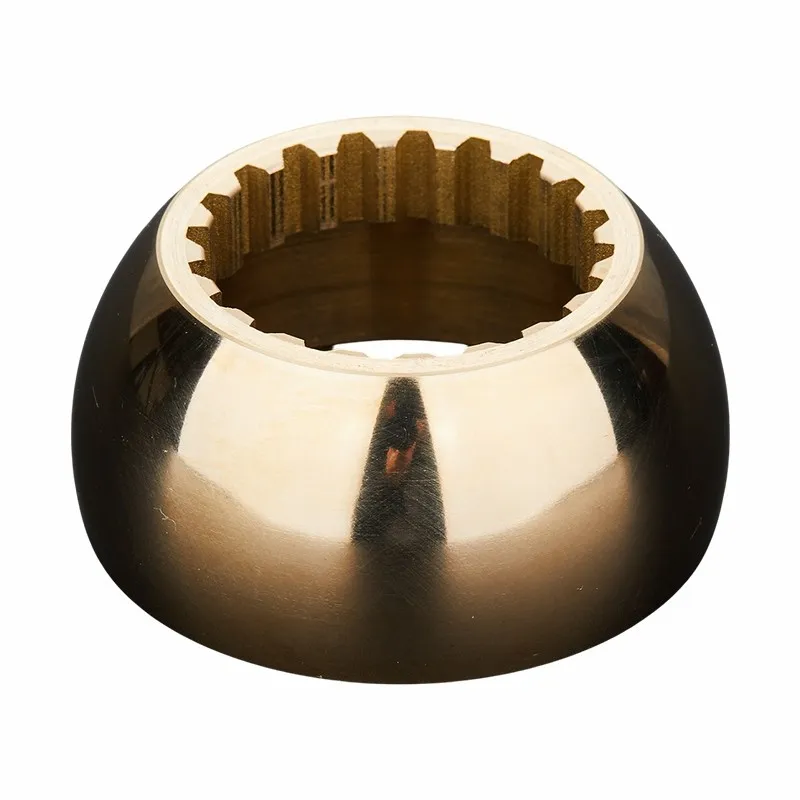
Our products are used in a variety of industries, including Rail Traffic, construction, and manufacturing. In the rail traffic industry, for example, our piston shoes and related products are used in the hydraulic systems of trains to control braking, steering, and other functions.
Contact Us for Your Piston Shoe Needs
If you're in the market for high-quality piston shoes or related products, look no further. As a leading piston shoe supplier, we have the expertise and experience to provide you with the right products for your specific application. Whether you need a small quantity for a prototype or a large order for a production run, we can help.
We understand that every customer's needs are unique, so we offer customized solutions to meet your specific requirements. Our team of experts will work closely with you to understand your needs and recommend the best products for your application. We also offer competitive pricing and fast delivery times to ensure that you get the products you need when you need them.
So, if you're interested in learning more about our piston shoes or other products, don't hesitate to contact us. We're here to answer any questions you may have and help you find the right solutions for your hydraulic system needs.
References
- Hydraulic Pumps and Motors: Fundamentals, Design, and Application by Heinz P. Bloch
- Fluid Power Engineering by Anthony Esposito


