


As a trusted supplier of Steel Piston Shoe, I've spent years delving into the intricacies of these components and their impact on system energy consumption. Steel piston shoes are critical parts in many hydraulic systems, where they play a vital role in converting hydraulic energy into mechanical motion. Understanding their energy consumption is essential for optimizing system performance, reducing costs, and enhancing overall efficiency.
The Role of Steel Piston Shoes in Hydraulic Systems
Before we dive into energy consumption, let's briefly understand the function of steel piston shoes in a hydraulic system. In a typical axial piston pump or motor, the piston shoes slide along a swashplate. As the swashplate rotates, it causes the pistons to reciprocate within their cylinders. This reciprocating motion is then used to generate fluid flow or mechanical power, depending on whether the system is a pump or a motor.
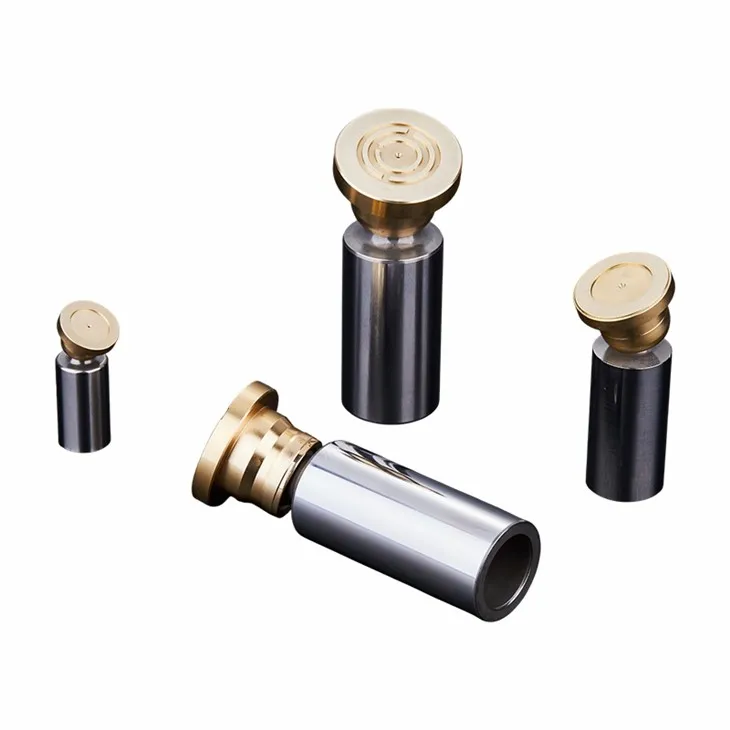
The steel piston shoes are designed to withstand high pressures and loads while maintaining a smooth and efficient sliding motion. Their performance directly affects the overall efficiency of the hydraulic system. Any inefficiencies in the piston shoe operation can lead to increased energy consumption and reduced system performance.

Factors Affecting Energy Consumption
Several factors contribute to the energy consumption of a system with steel piston shoes. These factors can be broadly categorized into design, material, and operating conditions.
Design Factors
- Geometry: The shape and size of the piston shoes can significantly impact energy consumption. A well - designed piston shoe will have an optimal contact area with the swashplate, reducing friction and wear. For example, a piston shoe with a larger contact area may distribute the load more evenly, but it could also increase frictional forces. Engineers must carefully balance these factors to minimize energy losses.
- Clearance: The clearance between the piston shoe and the swashplate is another critical design parameter. If the clearance is too large, there may be excessive leakage of hydraulic fluid, which can lead to energy losses. On the other hand, if the clearance is too small, it can cause increased friction and wear, also resulting in higher energy consumption.
Material Factors
- Hardness and Surface Finish: The hardness of the steel used in the piston shoes affects their wear resistance. A harder material can withstand higher loads and reduce wear, which in turn can improve energy efficiency. Additionally, a smooth surface finish on the piston shoes reduces friction, allowing for a more efficient sliding motion.
- Material Compatibility: The compatibility between the steel piston shoes and the swashplate material is also important. If the materials are not compatible, it can lead to increased wear and friction, resulting in higher energy consumption.
Operating Conditions
- Pressure and Load: Higher operating pressures and loads can increase the energy consumption of the system. As the pressure on the piston shoes increases, the frictional forces between the piston shoes and the swashplate also increase. This requires more energy to maintain the sliding motion and can lead to increased wear.
- Temperature: Temperature can have a significant impact on the performance of steel piston shoes. High temperatures can cause the hydraulic fluid to thin, reducing its lubricating properties. This can lead to increased friction and wear, resulting in higher energy consumption. Additionally, extreme temperatures can cause thermal expansion and contraction of the piston shoes and other components, which can affect their performance.
- Speed: The speed at which the system operates also affects energy consumption. Higher speeds generally require more energy to overcome inertia and friction. However, the relationship between speed and energy consumption is not always linear, as other factors such as lubrication and system design also play a role.
Measuring Energy Consumption
Measuring the energy consumption of a system with steel piston shoes can be a complex task. There are several methods that can be used, each with its own advantages and limitations.
Direct Measurement
One way to measure energy consumption is to directly measure the power input to the system. This can be done using a power meter, which measures the electrical or mechanical power supplied to the hydraulic pump or motor. By comparing the power input with the useful power output of the system, the energy losses can be calculated.
Indirect Measurement
Indirect measurement methods involve measuring other parameters such as pressure, flow rate, and temperature, and then using these measurements to calculate energy consumption. For example, the pressure drop across the piston shoes can be measured, and the energy loss due to friction can be estimated based on the pressure drop and the flow rate of the hydraulic fluid.
Strategies to Reduce Energy Consumption
Reducing the energy consumption of a system with steel piston shoes is crucial for improving system efficiency and reducing operating costs. Here are some strategies that can be employed:
Optimize Design
- Improve Geometry: Continuously research and develop new piston shoe geometries to reduce friction and wear. This can involve using advanced manufacturing techniques to create piston shoes with more precise shapes and dimensions.
- Control Clearance: Implement strict quality control measures to ensure that the clearance between the piston shoes and the swashplate is within the optimal range. This can help reduce leakage and friction, improving energy efficiency.
Select the Right Materials
- High - Performance Steel: Use high - quality steel with the appropriate hardness and surface finish. Consider using advanced heat treatment processes to enhance the material properties of the piston shoes.
- Material Compatibility: Ensure that the piston shoes are made of a material that is compatible with the swashplate material. This can help reduce wear and friction, leading to lower energy consumption.
Optimize Operating Conditions
- Pressure and Load Management: Monitor and control the operating pressure and load of the system to avoid overloading the piston shoes. This can involve using pressure relief valves and other control devices to maintain the system within its optimal operating range.
- Temperature Control: Implement effective cooling systems to maintain the temperature of the hydraulic fluid and the piston shoes within a suitable range. This can help preserve the lubricating properties of the fluid and reduce wear.
- Speed Optimization: Operate the system at the optimal speed to minimize energy consumption. This may require adjusting the speed based on the specific application and operating conditions.
Conclusion
As a supplier of Steel Piston Shoe, I understand the importance of energy consumption in hydraulic systems. By understanding the factors that affect energy consumption, measuring it accurately, and implementing strategies to reduce it, we can help our customers optimize their systems and achieve significant cost savings.
If you are interested in learning more about our steel piston shoes or discussing how they can be used to improve the energy efficiency of your hydraulic systems, I encourage you to reach out. Our team of experts is ready to assist you in finding the right solutions for your specific needs. Let's work together to create more efficient and sustainable hydraulic systems.
References
- Fluid Power Handbook, edited by the International Fluid Power Society.
- Tribology in Hydraulic Systems, published by the Institute of Tribologists.
- Advanced Manufacturing Technologies for Hydraulic Components, research paper by leading industry experts.


