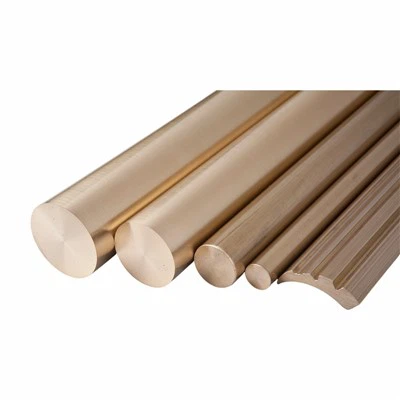
Hey there! As a supplier of Brass Shaped Rods, I'm super stoked to share with you all about the casting process for these awesome rods. So, let's dive right in!
What's the Deal with Brass Shaped Rods?
First off, brass is an alloy made up of copper and zinc. It's got some pretty cool properties, like being corrosion - resistant, having good malleability, and looking really nice. Brass Shaped Rods come in all sorts of shapes, like round, square, and hexagonal. They're used in a ton of different industries, from plumbing to electronics. If you're interested in checking out our Brass Shaped Rods, you can click Brass Shaped Rod.
The Casting Process
The casting process for brass shaped rods is a multi - step journey. It starts with the raw materials. We need high - quality copper and zinc. The ratio of copper to zinc can vary depending on the specific properties we want the brass to have. For example, if we want a more malleable brass, we might increase the copper content.
Step 1: Melting
The first step is melting the copper and zinc. We use a furnace to heat the metals to their melting points. Copper melts at around 1084.62°C, and zinc melts at about 419.53°C. We carefully measure out the right amounts of each metal and put them into the furnace. Once they're melted, we stir them together to make a homogeneous alloy. This is a crucial step because any unevenness in the mixture can affect the quality of the final product.
Step 2: Pouring
After the brass is melted and well - mixed, it's time to pour it into a mold. The mold is designed to give the rod its shape. For a round rod, we use a cylindrical mold; for a square rod, a square - shaped mold. We have to be really careful when pouring. The temperature of the molten brass needs to be just right. If it's too hot, the brass might not solidify properly, and if it's too cold, it could start to solidify before it fills the mold completely. You can check out our Brass Square Rod for an example of the final product.
Step 3: Cooling
Once the brass is in the mold, we let it cool. Cooling is a slow process, and it's important to control the rate of cooling. If the brass cools too quickly, it can develop internal stresses, which can make the rod brittle. On the other hand, if it cools too slowly, it might take too long to produce the rods. We use special cooling systems to make sure the cooling rate is just right.
Step 4: Finishing
After the brass has cooled and solidified, we take it out of the mold. But it's not quite ready yet. We need to do some finishing work. This might involve grinding the surface to make it smooth, cutting the rod to the right length, and inspecting it for any defects. We use advanced inspection techniques to make sure the rods meet our high - quality standards.
Why Choose Our Brass Shaped Rods?
We take pride in our casting process. We use the latest technology and high - quality raw materials to ensure that our rods are of the best quality. Our rods are not only strong and durable but also have a great finish. Whether you need a rod for a small DIY project or a large industrial application, we've got you covered.


We also offer a wide range of shapes and sizes. If you're looking for something a bit different, like a Brass Shaped Tube, we can help with that too. Our team of experts is always ready to answer your questions and provide you with the best solutions.
Let's Do Business!
If you're in the market for brass shaped rods, we'd love to hear from you. Whether you're a small business owner or a large - scale manufacturer, we can work with you to meet your needs. We offer competitive prices and excellent customer service. So, don't hesitate to get in touch and start a conversation about your brass rod requirements.
References
- Metals Handbook: Properties and Selection: Nonferrous Alloys and Pure Metals, Volume 2. ASM International.
- The Complete Guide to Brass: Its Properties, Uses, and Manufacturing Processes. Industry Press.