


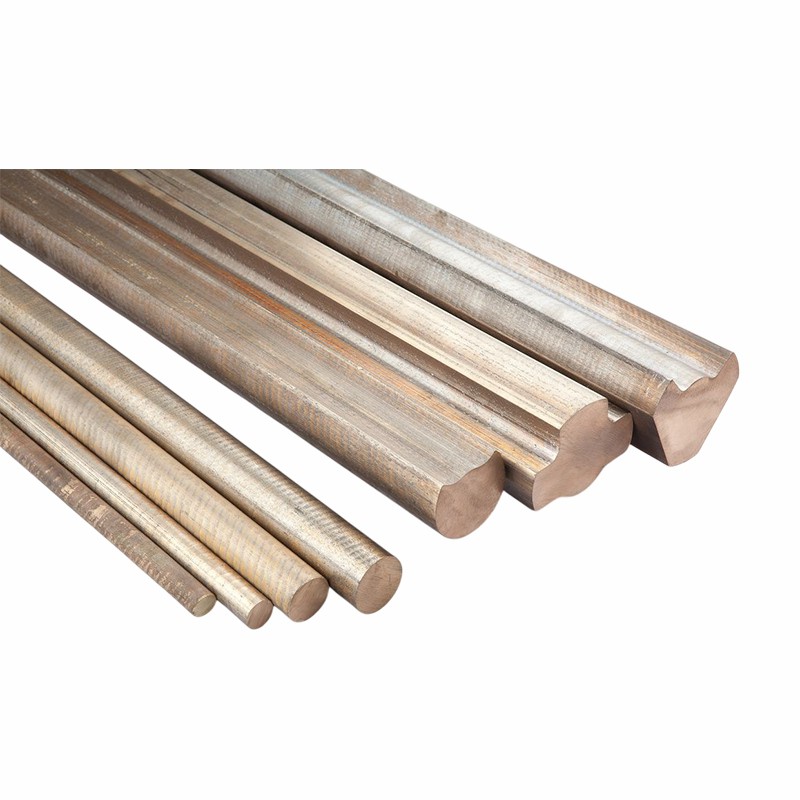
Hey there! As a supplier of Bronze Shaped Rod, I've been getting a lot of questions lately about the abrasion resistance of these rods in different media. So, I thought I'd write this blog to share some insights and clear up any confusion.
First off, let's talk about what abrasion resistance actually means. In simple terms, it's the ability of a material to withstand wear and tear caused by friction. When it comes to bronze shaped rods, this is a crucial property, especially in applications where the rods are in constant contact with other surfaces or substances.
Abrasion Resistance in Air
In normal air conditions, bronze shaped rods have pretty good abrasion resistance. Bronze is an alloy mainly composed of copper and tin, and sometimes other elements like zinc, lead, or phosphorus. These alloying elements give bronze its unique properties, including hardness and toughness.
The surface of bronze forms a thin oxide layer when exposed to air. This layer acts as a protective barrier, reducing the direct contact between the rod and the surrounding environment. It helps to prevent the rod from being scratched or worn down easily. For example, in machinery where bronze shaped rods are used as guides or shafts, they can operate smoothly in air for a long time without significant abrasion.
Abrasion Resistance in Water
When it comes to water, the situation gets a bit more complicated. Freshwater generally has a lower corrosive effect on bronze compared to saltwater. In freshwater, the main factor affecting abrasion resistance is the presence of suspended particles. If the water contains sand, silt, or other abrasive materials, these particles can rub against the surface of the bronze shaped rod, causing abrasion.
However, bronze has a certain level of resistance to this type of abrasion. The alloy's hardness allows it to withstand the impact of these particles to some extent. Additionally, the oxide layer on the bronze surface can also provide some protection. In applications like water pumps or marine equipment operating in freshwater, bronze shaped rods can perform well as long as the water quality is relatively good.
On the other hand, saltwater is a more aggressive medium. The high salt content in saltwater can accelerate the corrosion process. Corrosion weakens the surface of the bronze rod, making it more susceptible to abrasion. The chloride ions in saltwater can react with the bronze, breaking down the protective oxide layer. This exposes the underlying metal to further corrosion and abrasion. In saltwater environments, such as ocean vessels or offshore platforms, special coatings or treatments may be required to enhance the abrasion resistance of bronze shaped rods.
Abrasion Resistance in Chemical Media
Chemical media can have a wide range of effects on the abrasion resistance of bronze shaped rods. Acids and alkalis, for example, can react with the bronze, causing chemical corrosion. This corrosion can change the surface structure of the rod, reducing its hardness and increasing its susceptibility to abrasion.
In some industrial processes where bronze shaped rods come into contact with mild acids or alkalis, proper material selection is crucial. Different bronze alloys have different chemical resistance properties. For instance, phosphor bronze has better resistance to certain acids compared to other bronze alloys. By choosing the right alloy, the abrasion resistance of the rod in chemical media can be improved.
In addition to acids and alkalis, organic solvents can also affect the abrasion resistance of bronze. Some solvents can dissolve the protective oxide layer on the bronze surface, making it more vulnerable to abrasion. In applications where bronze shaped rods are used in chemical processing plants, it's important to consider the compatibility of the rod material with the specific chemical media.
Factors Affecting Abrasion Resistance
Apart from the media, there are other factors that can affect the abrasion resistance of bronze shaped rods. The hardness of the rod is a key factor. Generally, harder bronze alloys have better abrasion resistance. The manufacturing process also plays a role. Rods that are heat-treated or cold-worked may have different hardness and microstructure, which can impact their abrasion resistance.
The surface finish of the rod is another important factor. A smooth surface reduces the friction between the rod and the surrounding environment, minimizing abrasion. Machining processes can be used to achieve a high-quality surface finish. Additionally, the presence of impurities in the bronze can also affect its abrasion resistance. Impurities can weaken the structure of the alloy, making it more prone to wear.
Applications and the Importance of Abrasion Resistance
Bronze shaped rods are used in a wide range of applications, and abrasion resistance is often a critical requirement. In the automotive industry, they are used in engine components, such as connecting rods and bearings. These components need to withstand high levels of friction and wear, so good abrasion resistance is essential for their long - term performance.
In the construction industry, bronze shaped rods are used in architectural hardware, like door handles and hinges. These parts are constantly being touched and moved, so they need to resist abrasion to maintain their appearance and functionality.
In the electrical industry, bronze shaped rods are used as conductors or connectors. In this case, abrasion resistance is important to ensure a stable electrical connection. Any abrasion that exposes the underlying metal can lead to oxidation and increased resistance, which can affect the electrical performance.
Enhancing Abrasion Resistance
There are several ways to enhance the abrasion resistance of bronze shaped rods. One common method is to apply a protective coating. Coatings such as ceramic coatings or polymer coatings can provide an additional layer of protection on the surface of the rod. These coatings can reduce friction and prevent direct contact between the rod and the abrasive medium.
Heat treatment is another effective way. By heating the rod to a specific temperature and then cooling it at a controlled rate, the microstructure of the bronze can be changed, increasing its hardness and abrasion resistance. Cold working, such as rolling or drawing, can also improve the mechanical properties of the rod, enhancing its abrasion resistance.
Conclusion
In conclusion, the abrasion resistance of bronze shaped rods varies depending on the media they are exposed to. Air, water, and chemical media all have different effects on the rod's abrasion resistance. Understanding these effects is crucial for choosing the right bronze alloy and applying appropriate treatments in different applications.
As a supplier of Bronze Shaped Rod, I'm always here to help you select the best product for your specific needs. Whether you're working in a freshwater environment, a saltwater application, or a chemical processing plant, we can provide you with high - quality bronze shaped rods with excellent abrasion resistance.
If you're interested in our Bronze Shaped Rod products or have any questions about abrasion resistance or other properties, feel free to get in touch with us. We're looking forward to discussing your requirements and finding the perfect solution for you.

References
- ASM Handbook Volume 1: Properties and Selection: Irons, Steels, and High - Performance Alloys
- Metals Handbook Desk Edition, 3rd Edition


