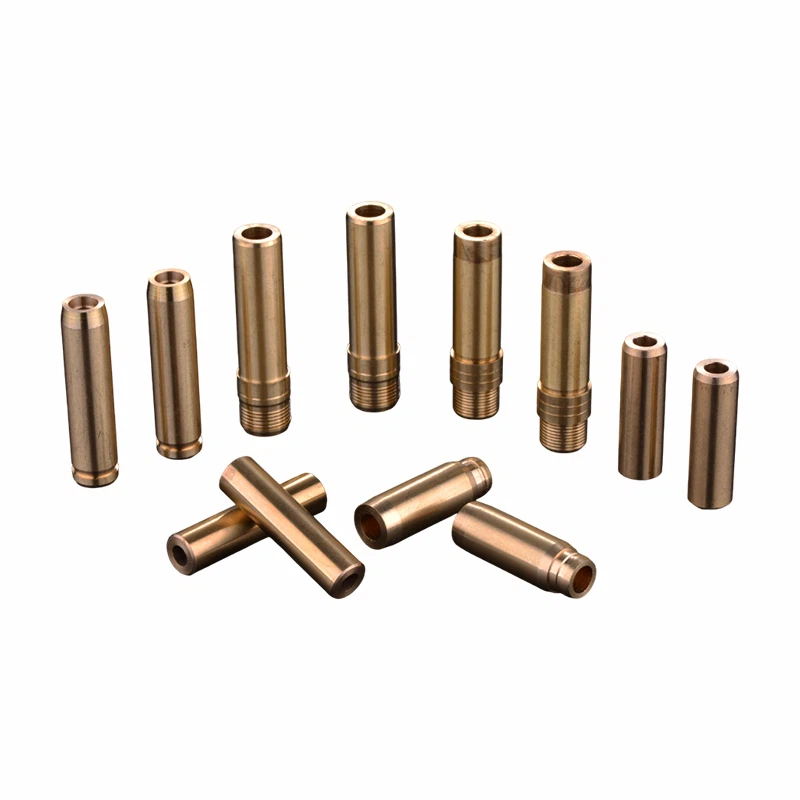
Hey there! I'm a supplier of piston shoes, and I've seen my fair share of piston shoe failures over the years. In this blog post, I'm gonna dive into the reasons behind these failures and share some insights that can help you prevent them. So, let's get started!
1. Wear and Tear
One of the most common reasons for piston shoe failure is plain old wear and tear. Piston shoes are constantly in motion, rubbing against other components like the Valve Plate and the Cylinder Block. Over time, this friction can cause the surface of the piston shoe to wear down.
The material of the piston shoe plays a big role here. If the material isn't of high quality or isn't suitable for the operating conditions, it'll wear out faster. For example, in high - pressure hydraulic systems, a piston shoe made of a soft material might not be able to withstand the forces, leading to premature wear.
Also, the frequency of use matters. If the hydraulic pump with the piston shoe is running constantly at high speeds, the wear and tear will be accelerated. Think of it like driving a car at top speed all the time; the engine parts are gonna wear out quicker.
2. Contamination
Contamination in the hydraulic system can spell trouble for piston shoes. Dirt, dust, metal particles, and other debris can find their way into the system. When these contaminants get between the piston shoe and the surfaces it interacts with, they act like abrasives.
Let's say there are some tiny metal shavings in the hydraulic fluid. As the piston shoe moves, these shavings can scratch and damage the surface of the shoe. This not only affects the performance of the piston shoe but can also lead to leaks and reduced efficiency of the entire hydraulic system.
Poor filtration is often the culprit behind contamination. If the filters in the hydraulic system aren't working properly or aren't replaced regularly, contaminants can build up and cause problems. And once the piston shoe is damaged by contamination, it might not be able to function as it should, leading to failure.
3. Improper Installation
Installing the piston shoe incorrectly is a recipe for disaster. If the piston shoe isn't installed at the right angle or isn't properly seated in its housing, it can cause uneven stress distribution.
For instance, if the piston shoe is tilted slightly during installation, it won't make proper contact with the Valve Plate. This uneven contact can lead to excessive wear on one side of the shoe. Over time, this wear can cause the piston shoe to fail.


Also, incorrect torque settings when tightening the components around the piston shoe can be a problem. If it's too loose, the piston shoe might move around and cause damage. If it's too tight, it can put too much stress on the shoe, leading to cracks or breakage.
4. Overloading
Overloading the hydraulic system can put a huge strain on the piston shoes. When the system is asked to do more than it's designed for, the forces acting on the piston shoe increase significantly.
Let's say a hydraulic pump is supposed to operate at a certain pressure, but due to some mismanagement or a sudden increase in the load, the pressure goes way beyond the rated limit. The piston shoe might not be able to handle this extra force, and it can start to deform or break.
Overloading can also cause overheating in the hydraulic system. High temperatures can affect the properties of the material the piston shoe is made of. For example, some materials might become softer at high temperatures, making them more prone to wear and failure.
5. Fatigue
Fatigue failure can occur in piston shoes over time. Every time the piston shoe goes through a cycle of movement, it experiences stress. Repeated cycles of stress can cause small cracks to form in the material of the shoe.
These cracks start off tiny, but as the piston shoe continues to operate, the cracks can grow. Eventually, the crack can become large enough to cause the piston shoe to break apart. Fatigue failure is more likely to happen in systems where the piston shoe is subjected to cyclic loading, like in a reciprocating hydraulic pump.
The design of the piston shoe can also influence fatigue. If the shoe has sharp corners or sudden changes in shape, these areas are more likely to experience stress concentrations, which can lead to crack initiation.
6. Lubrication Issues
Proper lubrication is essential for the smooth operation of piston shoes. The hydraulic fluid acts as a lubricant between the piston shoe and the surfaces it moves against. If there isn't enough lubrication, the friction between the parts will increase.
Low fluid levels in the hydraulic system can be a problem. When there's not enough fluid, the piston shoe might not be properly lubricated, leading to increased wear. Also, the quality of the lubricant matters. If the hydraulic fluid has degraded over time or isn't the right type for the system, it won't provide adequate lubrication.
Degraded lubricant can lose its viscosity, which means it won't be able to form a proper film between the piston shoe and the other components. This can cause metal - to - metal contact, resulting in rapid wear and potential failure of the piston shoe.
7. Misalignment
Misalignment between the piston shoe and the other components in the hydraulic system can cause problems. If the Cylinder Block or the Valve Plate is misaligned, the piston shoe won't move in a straight and proper path.
This misalignment can put extra stress on the piston shoe. It might cause the shoe to wear unevenly on one side, or it could prevent the shoe from making full contact with the surfaces it needs to interact with. Over time, this can lead to failure.
Misalignment can be caused by a variety of factors, such as improper assembly, wear and tear on other components that affect the alignment, or external forces that cause the components to shift.
8. Material Defects
Sometimes, the problem lies with the piston shoe itself. There could be material defects in the manufacturing process. For example, there might be impurities in the metal used to make the piston shoe.
These impurities can weaken the structure of the shoe. They can act as points of weakness where cracks are more likely to start. And once a crack forms, it can spread and lead to failure.
Inconsistent heat treatment during manufacturing can also be an issue. If the piston shoe isn't heat - treated properly, its hardness and other mechanical properties might not be uniform. This can make the shoe more prone to wear and failure under normal operating conditions.
Conclusion
Well, there you have it - the main reasons for piston shoe failure. As a piston shoe supplier, I know how important it is to understand these issues to prevent failures and keep your hydraulic systems running smoothly.
If you're having problems with piston shoes in your hydraulic systems or you're looking for high - quality piston shoes, don't hesitate to reach out. We've got a wide range of piston shoes that are designed to withstand the toughest conditions and offer long - lasting performance. Whether you need them for a small - scale project or a large industrial application, we've got you covered. Let's have a chat and see how we can help you with your piston shoe needs.
References
- "Hydraulic System Troubleshooting Guide" by Hydraulics World
- "Materials for Hydraulic Components" by Journal of Hydraulic Engineering
- "Understanding Piston Shoe Failures in Hydraulic Pumps" by Hydraulic Pump Manufacturers Association