What are the maintenance intervals for a valve plate?
As a valve plate supplier, I've seen firsthand the importance of proper maintenance intervals for these critical components. Valve plates are essential parts in various hydraulic systems, and their performance directly impacts the efficiency and reliability of the entire system. In this blog, I'll delve into the factors that influence maintenance intervals for valve plates and provide some guidelines to help you keep your equipment running smoothly.
Understanding the Role of Valve Plates
Before we discuss maintenance intervals, it's crucial to understand what valve plates do. Valve plates are used in hydraulic pumps and motors to control the flow of fluid. They act as a gateway, allowing fluid to enter and exit the pump or motor chambers at the right time. This precise control is essential for the proper operation of the hydraulic system.
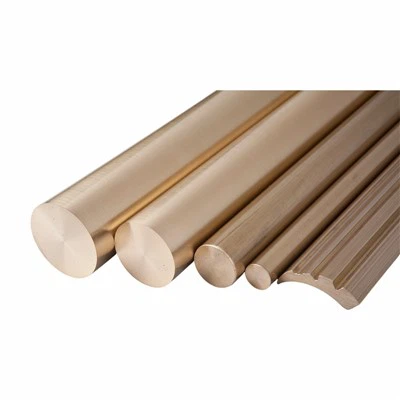
Valve plates are typically made from high - strength materials such as copper alloys, which offer excellent wear resistance and corrosion resistance. For example, our Valve Plate is crafted from high - quality copper alloys to ensure long - term performance.
Factors Affecting Maintenance Intervals
Several factors can influence the maintenance intervals of valve plates. Here are some of the key ones:
Operating Conditions
The operating conditions of the hydraulic system play a significant role in determining how often valve plates need to be maintained. If the system operates in a harsh environment, such as high temperatures, high pressures, or in the presence of contaminants, the valve plates will experience more wear and tear. For instance, in Rail Traffic applications, the hydraulic systems are exposed to vibrations, dust, and extreme temperature variations. This means that the valve plates in these systems may require more frequent maintenance compared to those in a more controlled environment.
Fluid Quality
The quality of the hydraulic fluid used in the system is another important factor. Contaminated or degraded fluid can cause premature wear of the valve plates. Particles in the fluid can scratch the surface of the valve plate, leading to reduced efficiency and potential leakage. Regularly checking and changing the hydraulic fluid can extend the lifespan of the valve plates. For example, if the fluid is not changed at the recommended intervals, it can become acidic, which can corrode the valve plate material.
System Load
The load on the hydraulic system also affects the maintenance intervals of valve plates. A system that operates under heavy loads for extended periods will put more stress on the valve plates. For example, in a plunger pump system, if the pump is constantly working at its maximum capacity, the valve plates will experience more wear. Our Plunger Pump Accessories Pressure Plate is designed to withstand high loads, but still requires proper maintenance.
General Maintenance Intervals
While the specific maintenance intervals can vary depending on the factors mentioned above, here are some general guidelines:
Visual Inspection
A visual inspection of the valve plates should be carried out at least once every three months. During this inspection, check for signs of wear, such as scratches, pitting, or deformation. Look for any signs of leakage around the valve plate. If any issues are detected, further inspection or replacement may be required.


Fluid Analysis
Fluid analysis should be performed every six months. This analysis can detect contaminants, changes in viscosity, and other factors that can affect the performance of the valve plates. Based on the results of the fluid analysis, the fluid may need to be changed or filtered.
Complete Overhaul
For systems that operate under normal conditions, a complete overhaul of the valve plates should be carried out every 12 - 18 months. This involves disassembling the hydraulic system, inspecting all components, and replacing any worn or damaged parts. However, if the system operates under harsh conditions, the overhaul interval may need to be reduced to 6 - 12 months.
Tips for Prolonging Valve Plate Lifespan
In addition to following the maintenance intervals, here are some tips to prolong the lifespan of valve plates:
- Proper Installation: Ensure that the valve plates are installed correctly. Incorrect installation can cause uneven wear and premature failure.
- Use High - Quality Fluid: Always use high - quality hydraulic fluid that meets the specifications of the system. This will help reduce wear and corrosion.
- Regular Cleaning: Keep the hydraulic system clean to prevent the buildup of contaminants. This includes cleaning the filters regularly.
Conclusion
Maintaining the valve plates at the appropriate intervals is crucial for the efficient and reliable operation of hydraulic systems. By understanding the factors that affect maintenance intervals and following the general guidelines, you can ensure that your valve plates last longer and perform at their best.
If you're in the market for high - quality valve plates or have any questions about valve plate maintenance, don't hesitate to contact us for a procurement discussion. We're here to provide you with the best products and solutions for your hydraulic system needs.
References
- "Hydraulic System Maintenance Handbook", published by ABC Publishing
- "Valve Plate Design and Performance", research paper by XYZ University