


What are the inspection methods for piston shoes?
As a trusted piston shoe supplier, I understand the critical role that piston shoes play in the efficient operation of hydraulic systems. Piston shoes are essential components in axial piston pumps and motors, where they convert the reciprocating motion of the pistons into rotational motion. Ensuring the quality and reliability of piston shoes is paramount, and that's where inspection methods come into play. In this blog post, I'll explore the various inspection methods for piston shoes, shedding light on the processes that help us deliver top-notch products to our customers.
Visual Inspection
Visual inspection is often the first step in evaluating the condition of piston shoes. This method involves a thorough examination of the piston shoe's external surface using the naked eye or magnifying tools. During visual inspection, we look for signs of wear, damage, or irregularities that could affect the performance of the piston shoe.
One of the key aspects we check for is surface finish. A smooth and uniform surface finish is crucial for proper lubrication and reduced friction between the piston shoe and the swash plate. Any scratches, grooves, or rough spots on the surface can lead to increased wear and potential failure of the hydraulic system. We also inspect the edges of the piston shoe for signs of chipping or cracking, as these can compromise the integrity of the component.
In addition to surface finish, we examine the overall shape and dimensions of the piston shoe. Deviations from the specified tolerances can cause misalignment, leading to uneven wear and reduced efficiency. By carefully measuring the diameter, height, and other critical dimensions, we can ensure that the piston shoe meets the required specifications.
Dimensional Inspection
Dimensional inspection is a more precise method of evaluating the accuracy of piston shoes. This process involves using specialized measuring tools, such as calipers, micrometers, and coordinate measuring machines (CMMs), to verify the dimensions of the piston shoe.
Calipers and micrometers are commonly used for measuring the external dimensions of the piston shoe, such as the diameter and height. These tools provide accurate and reliable measurements, allowing us to detect any deviations from the specified tolerances. CMMs, on the other hand, are more advanced measuring devices that can measure the internal and external dimensions of the piston shoe with high precision. By using CMMs, we can obtain detailed 3D models of the piston shoe, which can be used to analyze its shape and identify any potential issues.
Dimensional inspection is particularly important for ensuring the proper fit and function of the piston shoe in the hydraulic system. Any deviations in the dimensions can cause the piston shoe to bind or leak, leading to reduced performance and increased wear on other components. By conducting regular dimensional inspections, we can identify and correct any issues before they cause significant problems.
Material Analysis
Material analysis is another important inspection method for piston shoes. This process involves analyzing the composition and properties of the material used to manufacture the piston shoe. By understanding the material's characteristics, we can ensure that it meets the required specifications and is suitable for the intended application.
One of the most common methods of material analysis is chemical analysis. This process involves using techniques such as spectroscopy or chromatography to determine the chemical composition of the material. By analyzing the elemental composition of the material, we can identify any impurities or contaminants that may affect its performance.
In addition to chemical analysis, we also conduct mechanical testing to evaluate the material's strength, hardness, and other mechanical properties. This process involves subjecting the material to various loads and stresses to determine its behavior under different conditions. By conducting mechanical testing, we can ensure that the material has the necessary strength and durability to withstand the rigors of the hydraulic system.
Material analysis is crucial for ensuring the quality and reliability of piston shoes. By using high-quality materials and conducting thorough material analysis, we can produce piston shoes that are able to withstand the high pressures and temperatures of hydraulic systems, providing long-lasting performance and reliability.
Non-Destructive Testing
Non-destructive testing (NDT) is a group of inspection methods that allow us to evaluate the internal structure and integrity of the piston shoe without causing any damage to the component. These methods are particularly useful for detecting hidden defects, such as cracks or porosity, that may not be visible during visual inspection.
One of the most common NDT methods used for piston shoes is ultrasonic testing. This process involves using high-frequency sound waves to detect internal defects in the material. By analyzing the echoes of the sound waves, we can identify the location and size of any defects in the piston shoe.
Another NDT method that is commonly used for piston shoes is magnetic particle testing. This process involves applying a magnetic field to the piston shoe and then applying a magnetic particle solution to the surface. Any defects in the material will cause the magnetic particles to accumulate, making them visible to the inspector.
Non-destructive testing is an important part of the inspection process for piston shoes. By using NDT methods, we can detect and evaluate any internal defects in the piston shoe, ensuring that it meets the required quality standards and is safe to use in the hydraulic system.
Functional Testing
Functional testing is the final step in the inspection process for piston shoes. This process involves testing the piston shoe in a simulated hydraulic system to evaluate its performance under real-world conditions. By conducting functional testing, we can ensure that the piston shoe meets the required specifications and is able to function properly in the hydraulic system.

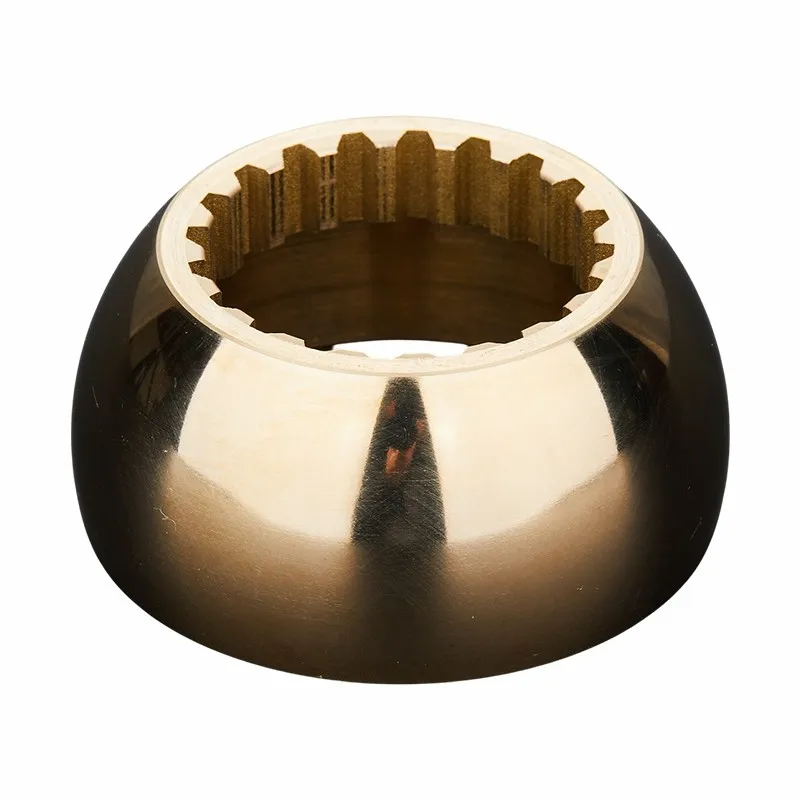
During functional testing, we typically measure the performance of the piston shoe in terms of its efficiency, pressure rating, and leakage rate. We also evaluate the piston shoe's ability to withstand high pressures and temperatures, as well as its resistance to wear and corrosion.
Functional testing is an important part of the quality control process for piston shoes. By conducting thorough functional testing, we can identify and correct any issues before the piston shoe is installed in the hydraulic system, ensuring that it provides reliable and efficient performance.
In conclusion, the inspection methods for piston shoes are essential for ensuring the quality and reliability of these critical components. By using a combination of visual inspection, dimensional inspection, material analysis, non-destructive testing, and functional testing, we can detect and evaluate any potential issues with the piston shoe, ensuring that it meets the required specifications and is safe to use in the hydraulic system.
As a Piston Shoe supplier, we are committed to providing our customers with high-quality products that meet their specific needs. Our team of experienced engineers and technicians uses the latest inspection methods and technologies to ensure that our piston shoes are of the highest quality. If you're in the market for Piston Shoes, Copper Bushings, or Plunger Pump Ball Retainers, we invite you to contact us to discuss your requirements. We'll be happy to provide you with more information about our products and services and help you find the right solution for your application.
References
- Smith, J. (2019). Hydraulic System Design and Maintenance. Wiley.
- Jones, R. (2020). Piston Pump Technology: Principles and Applications. Elsevier.
- Brown, S. (2021). Non-Destructive Testing Methods for Industrial Components. CRC Press.


