


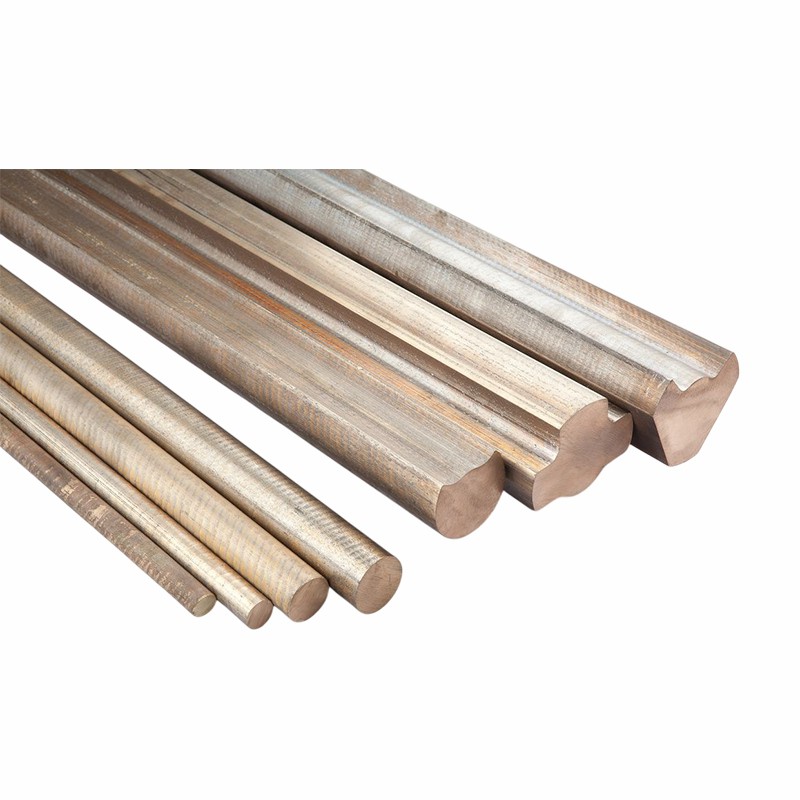
Bronze, an alloy primarily composed of copper and tin, has been a cornerstone of human civilization for thousands of years. Its unique properties, including durability, malleability, and resistance to corrosion, have made it a material of choice for a wide range of applications. Among the various bronze products, bronze shaped tubes have a rich and diverse historical usage that spans across different cultures and time periods. As a supplier of Bronze Shaped Tubes, I am excited to delve into the fascinating history of these remarkable artifacts.
Ancient Egypt: Symbolism and Functionality
In ancient Egypt, bronze was highly valued for its aesthetic appeal and practical properties. Bronze shaped tubes were used in a variety of contexts, from religious ceremonies to everyday life. One of the most notable uses of bronze tubes in ancient Egypt was in the construction of musical instruments. The Egyptians were known for their love of music, and bronze tubes were used to create flutes, trumpets, and other wind instruments. These instruments were not only used for entertainment but also played an important role in religious rituals and ceremonies.
Bronze shaped tubes were also used in the construction of jewelry and amulets. The Egyptians believed that certain symbols and images had magical properties, and they used bronze tubes to create intricate designs that were believed to offer protection and good luck. These jewelry pieces were often adorned with precious stones and other decorative elements, making them highly valuable and sought after.
In addition to their religious and decorative uses, bronze shaped tubes were also used in the construction of tools and weapons. The Egyptians were skilled metalworkers, and they used bronze tubes to create chisels, drills, and other tools that were essential for building and crafting. Bronze tubes were also used to create arrowheads, spearheads, and other weapons that were used in warfare.
Ancient Greece: Artistry and Engineering
In ancient Greece, bronze was considered the ideal material for creating sculptures and other works of art. The Greeks were masters of bronze casting, and they used bronze shaped tubes to create some of the most iconic sculptures in history. One of the most famous examples of Greek bronze sculpture is the "Charioteer of Delphi," a life-sized statue that was discovered in the ruins of the Delphi sanctuary. The statue was cast using the lost-wax method, a technique that involves creating a wax model of the sculpture, covering it in clay, and then melting the wax to create a mold. The mold is then filled with molten bronze, and the clay is removed to reveal the finished sculpture.
Bronze shaped tubes were also used in the construction of architecture and engineering projects. The Greeks were known for their advanced engineering skills, and they used bronze tubes to create aqueducts, pipes, and other structures that were essential for the functioning of their cities. Bronze tubes were also used in the construction of ships, where they were used to create fittings and other components that were resistant to corrosion and wear.
Ancient China: Technology and Innovation
In ancient China, bronze was used for a wide range of applications, from art and literature to technology and innovation. Bronze shaped tubes were used in the construction of musical instruments, such as the guqin and the dizi, which are still popular in China today. These instruments were not only used for entertainment but also played an important role in Chinese culture and philosophy.
Bronze shaped tubes were also used in the construction of weapons and armor. The Chinese were skilled warriors, and they used bronze tubes to create swords, spears, and other weapons that were known for their strength and durability. Bronze tubes were also used in the construction of armor, where they were used to create plates and other components that were designed to protect the wearer from injury.
In addition to their military and cultural uses, bronze shaped tubes were also used in the construction of scientific instruments. The Chinese were pioneers in the fields of astronomy, mathematics, and medicine, and they used bronze tubes to create telescopes, sundials, and other instruments that were essential for their research and discoveries.
Medieval Europe: Art and Architecture
In medieval Europe, bronze was used primarily for the construction of art and architecture. Bronze shaped tubes were used in the construction of churches, cathedrals, and other religious buildings, where they were used to create decorative elements such as doors, windows, and statues. These decorative elements were often highly detailed and intricate, and they were designed to inspire awe and reverence in the viewer.
Bronze shaped tubes were also used in the construction of weapons and armor. The medieval period was a time of constant warfare, and bronze tubes were used to create swords, axes, and other weapons that were used in battle. Bronze tubes were also used in the construction of armor, where they were used to create plates and other components that were designed to protect the wearer from injury.
In addition to their military and religious uses, bronze shaped tubes were also used in the construction of musical instruments. The medieval period was a time of great musical innovation, and bronze tubes were used to create organs, trumpets, and other instruments that were used in churches, courts, and other settings.
Modern Times: Industrial and Technological Applications
In modern times, bronze shaped tubes are used in a wide range of industrial and technological applications. The unique properties of bronze, including its strength, durability, and resistance to corrosion, make it an ideal material for use in a variety of industries, including automotive, aerospace, and electronics.
Bronze shaped tubes are used in the construction of engines, transmissions, and other automotive components, where they are used to create pipes, fittings, and other parts that are essential for the functioning of the vehicle. Bronze tubes are also used in the construction of aircraft engines, where they are used to create fuel lines, hydraulic systems, and other components that are designed to withstand high temperatures and pressures.
In the electronics industry, bronze shaped tubes are used in the construction of printed circuit boards, connectors, and other components, where they are used to create electrical pathways and connections. Bronze tubes are also used in the construction of telecommunications equipment, where they are used to create antennas, waveguides, and other components that are essential for the transmission and reception of signals.
Conclusion
As a supplier of Bronze Shaped Tubes, I am proud to be part of a long and rich history of innovation and craftsmanship. From the ancient Egyptians to the modern-day industrialists, bronze shaped tubes have played an important role in the development of human civilization. Whether it's in the construction of musical instruments, art and architecture, or industrial and technological applications, bronze shaped tubes continue to be a versatile and valuable material.

If you are interested in learning more about our Bronze Shaped Tubes or would like to discuss your specific requirements, please do not hesitate to contact us. We are committed to providing our customers with the highest quality products and services, and we look forward to the opportunity to work with you.
References
- "The History of Bronze," World History Encyclopedia.
- "Bronze in Ancient Egypt," British Museum.
- "Greek Bronze Sculpture," Metropolitan Museum of Art.
- "Bronze in Ancient China," National Museum of China.
- "Medieval Bronze Art and Architecture," Victoria and Albert Museum.
- "Modern Applications of Bronze," American Foundry Society.


