


Alloying is a pivotal process in enhancing the properties of bronze alloys, with corrosion resistance being one of the most significant aspects affected. As a bronze alloys supplier, I have witnessed firsthand the transformative effects of alloying on the durability and performance of these materials in various environments. In this blog, we will delve into the effects of alloying on the corrosion resistance of bronze alloys, exploring the mechanisms, benefits, and practical implications.
Understanding Bronze Alloys and Corrosion
Bronze is an alloy primarily composed of copper and tin, with other elements sometimes added to enhance specific properties. The corrosion of bronze alloys occurs when the metal reacts with its environment, typically oxygen, water, and various chemicals. This reaction forms a layer of corrosion products on the surface of the metal, which can degrade the material's integrity over time.
The natural corrosion resistance of bronze stems from the formation of a protective patina on its surface. This patina, often a greenish layer, acts as a barrier between the metal and the environment, slowing down further corrosion. However, the rate and effectiveness of patina formation can vary depending on the alloy composition, environmental conditions, and the presence of other factors.
Effects of Alloying Elements on Corrosion Resistance
Tin (Sn)
Tin is the primary alloying element in bronze, and its content significantly influences the alloy's corrosion resistance. Generally, increasing the tin content up to a certain point (around 10 - 15%) enhances the formation of a more protective patina. Tin forms stable oxides and hydroxides that contribute to the integrity of the patina, providing better protection against corrosion.
However, excessive tin content can lead to the formation of brittle intermetallic compounds, which may reduce the alloy's mechanical properties and potentially compromise its corrosion resistance in some environments. Therefore, a balanced tin content is crucial for optimizing both corrosion resistance and mechanical performance.
Aluminum (Al)
Adding aluminum to bronze alloys can significantly improve their corrosion resistance, especially in marine and high - humidity environments. Aluminum forms a thin, dense oxide layer on the surface of the alloy, which is highly resistant to corrosion. This oxide layer acts as a self - healing barrier, protecting the underlying metal from further attack.
Aluminum - bronze alloys are commonly used in applications such as shipbuilding, marine hardware, and offshore structures due to their excellent resistance to seawater corrosion. They can withstand the harsh conditions of the marine environment, including the presence of salts, moisture, and oxygen.
Nickel (Ni)
Nickel is another important alloying element for enhancing the corrosion resistance of bronze. It improves the alloy's resistance to corrosion in acidic and alkaline environments. Nickel forms a stable passive film on the surface of the alloy, which helps to prevent the penetration of corrosive agents.
Nickel - bronze alloys are often used in chemical processing equipment, plumbing systems, and food processing applications where resistance to various chemicals and acids is required. The addition of nickel also enhances the alloy's mechanical properties, such as strength and toughness.
Manganese (Mn)
Manganese can improve the corrosion resistance of bronze alloys by promoting the formation of a more uniform and adherent patina. It also helps to refine the grain structure of the alloy, which can enhance its overall corrosion performance. Manganese - bronze alloys are known for their good resistance to wear and corrosion, making them suitable for applications such as bearings, gears, and valve components.
Phosphorus (P)
Phosphorus is sometimes added to bronze alloys in small amounts (usually less than 1%). It acts as a deoxidizer during the melting process, removing oxygen from the alloy and improving its castability. Phosphorus also enhances the corrosion resistance of bronze by promoting the formation of a more protective patina. Phosphor - bronze alloys are widely used in electrical applications, springs, and musical instruments due to their combination of good corrosion resistance and mechanical properties.
Benefits of Improved Corrosion Resistance
The enhanced corrosion resistance achieved through alloying offers several benefits in practical applications:
Extended Service Life
Bronze alloys with improved corrosion resistance last longer in harsh environments. This reduces the frequency of replacement and maintenance, resulting in cost savings over the long term. For example, in marine applications, components made of high - corrosion - resistant bronze alloys can withstand the corrosive effects of seawater for many years without significant degradation.
Enhanced Performance
In addition to preventing material degradation, improved corrosion resistance can also enhance the performance of bronze alloys in their intended applications. For example, in electrical applications, corrosion - resistant bronze alloys maintain their electrical conductivity over time, ensuring reliable operation.
Aesthetic Appeal
The formation of a stable and attractive patina on the surface of corrosion - resistant bronze alloys can enhance their aesthetic appeal. This is particularly important in architectural and decorative applications, where the appearance of the material is a significant factor.
Practical Applications of Corrosion - Resistant Bronze Alloys
The corrosion - resistant properties of alloyed bronze make them suitable for a wide range of applications:
Marine Applications
As mentioned earlier, aluminum - bronze and nickel - bronze alloys are widely used in marine applications. They are used in the construction of ship propellers, hull fittings, seawater valves, and other components that are exposed to the corrosive effects of seawater. The corrosion resistance of these alloys ensures the long - term reliability and performance of marine equipment.
Architectural Applications
Bronze alloys with good corrosion resistance are used in architectural applications such as door hardware, decorative panels, and sculptures. The formation of a natural patina on the surface of these alloys adds a unique and attractive appearance to buildings. For example, bronze doors and window frames can withstand the elements and maintain their beauty for decades.
Electrical Applications
Phosphor - bronze alloys are commonly used in electrical connectors, switches, and springs. Their corrosion resistance ensures reliable electrical contact and long - term performance. In addition, the good mechanical properties of phosphor - bronze make it suitable for applications where flexibility and durability are required.
Our Product Offerings
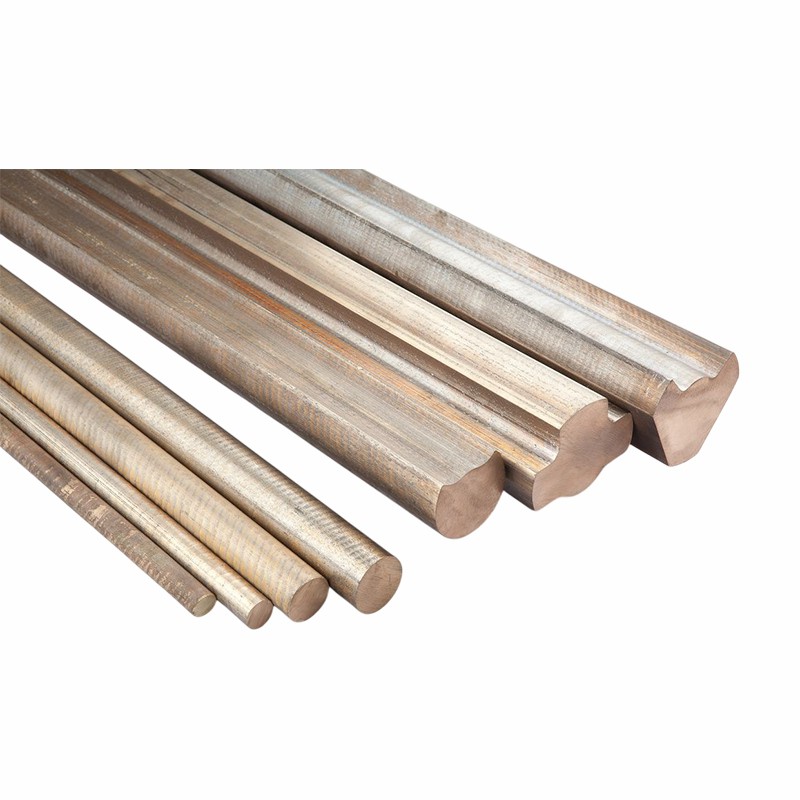
As a bronze alloys supplier, we offer a wide range of high - quality bronze products, including Bronze Round Tube, Bronze Square Rod, and Bronze Shaped Rod. Our products are made from carefully selected alloy compositions to ensure optimal corrosion resistance and performance in various applications.
Contact Us for Procurement
If you are looking for high - quality bronze alloys with excellent corrosion resistance, we are here to help. Our team of experts can provide you with detailed information about our products, assist you in selecting the right alloy for your specific application, and offer competitive pricing. Whether you are involved in marine engineering, architecture, or electrical manufacturing, we have the bronze solutions you need. Contact us today to start a procurement discussion and see how our bronze alloys can meet your requirements.

References
- Davis, J. R. (Ed.). (2001). Copper and Copper Alloys. ASM International.
- Fontana, M. G. (1986). Corrosion Engineering. McGraw - Hill.
- Uhlig, H. H., & Revie, R. W. (1985). Corrosion and Corrosion Control: An Introduction to Corrosion Science and Engineering. Wiley.


