


Bronze is a versatile and ancient alloy that has been used for thousands of years in various applications, from art and sculpture to industrial components and electrical connectors. As a bronze alloys supplier, I have had the privilege of working with a wide range of bronze alloys, each with its unique properties and characteristics. In this blog post, I will explore the common types of bronze alloys, their properties, and their applications.
Tin Bronze
Tin bronze is one of the oldest and most well-known types of bronze alloys. It is primarily composed of copper and tin, with small amounts of other elements such as zinc, lead, or phosphorus. The addition of tin to copper improves the alloy's strength, hardness, and corrosion resistance.
- Properties: Tin bronze has excellent wear resistance, making it suitable for applications such as bearings, bushings, and gears. It also has good machinability, which allows for easy shaping and finishing. Additionally, tin bronze has a beautiful golden color, which makes it a popular choice for decorative applications.
- Applications: Tin bronze is widely used in the manufacturing of mechanical components, such as bearings, bushings, and gears. It is also used in the production of musical instruments, such as cymbals and bells, due to its excellent acoustic properties. In the art and sculpture industry, tin bronze is used to create statues, figurines, and other decorative objects.
Aluminum Bronze
Aluminum bronze is a type of bronze alloy that contains aluminum as the main alloying element, along with copper and small amounts of other elements such as iron, nickel, or manganese. The addition of aluminum to copper improves the alloy's strength, hardness, and corrosion resistance, especially in marine environments.
- Properties: Aluminum bronze has high strength and excellent corrosion resistance, making it suitable for applications in harsh environments. It also has good wear resistance and low friction coefficient, which makes it ideal for use in bearings and other moving parts. Additionally, aluminum bronze has good weldability and can be easily fabricated into various shapes.
- Applications: Aluminum bronze is widely used in the marine industry for the production of propellers, shafts, and other components that are exposed to seawater. It is also used in the chemical industry for the production of valves, pumps, and other equipment that is resistant to corrosion. In the aerospace industry, aluminum bronze is used for the production of aircraft components, such as landing gear and engine parts.
Silicon Bronze
Silicon bronze is a type of bronze alloy that contains silicon as the main alloying element, along with copper and small amounts of other elements such as manganese, iron, or zinc. The addition of silicon to copper improves the alloy's strength, hardness, and corrosion resistance, especially in freshwater environments.
- Properties: Silicon bronze has good strength and excellent corrosion resistance, making it suitable for applications in freshwater environments. It also has good weldability and can be easily fabricated into various shapes. Additionally, silicon bronze has a beautiful golden color, which makes it a popular choice for decorative applications.
- Applications: Silicon bronze is widely used in the plumbing industry for the production of pipes, fittings, and valves. It is also used in the electrical industry for the production of connectors, switches, and other components that require good electrical conductivity. In the art and sculpture industry, silicon bronze is used to create statues, figurines, and other decorative objects.
Phosphor Bronze
Phosphor bronze is a type of bronze alloy that contains phosphorus as the main alloying element, along with copper and tin. The addition of phosphorus to copper and tin improves the alloy's strength, hardness, and corrosion resistance, especially in marine environments.
- Properties: Phosphor bronze has high strength and excellent corrosion resistance, making it suitable for applications in harsh environments. It also has good wear resistance and low friction coefficient, which makes it ideal for use in bearings and other moving parts. Additionally, phosphor bronze has good spring properties, which makes it suitable for use in electrical connectors and springs.
- Applications: Phosphor bronze is widely used in the marine industry for the production of propellers, shafts, and other components that are exposed to seawater. It is also used in the electrical industry for the production of connectors, switches, and other components that require good electrical conductivity and spring properties. In the musical instrument industry, phosphor bronze is used to make strings for guitars, violins, and other stringed instruments.
Leaded Bronze
Leaded bronze is a type of bronze alloy that contains lead as the main alloying element, along with copper and tin. The addition of lead to copper and tin improves the alloy's machinability and lubricity, making it easier to machine and reducing friction in moving parts.
- Properties: Leaded bronze has good machinability and lubricity, which makes it suitable for applications that require easy machining and low friction. It also has good corrosion resistance and can be used in a variety of environments. However, lead is a toxic element, and the use of leaded bronze is restricted in some applications due to environmental and health concerns.
- Applications: Leaded bronze is commonly used in the production of bearings, bushings, and other components that require easy machining and low friction. It is also used in the production of electrical connectors and switches, where its good electrical conductivity and machinability are advantageous.
Our Product Range
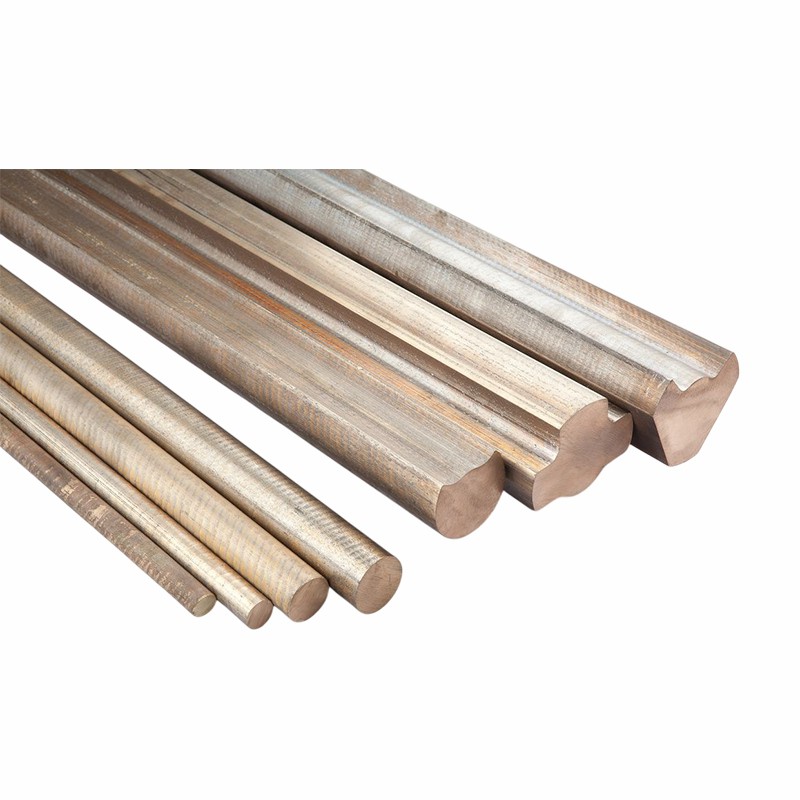
As a bronze alloys supplier, we offer a wide range of bronze products to meet the diverse needs of our customers. Our product range includes Bronze Round Bar, Bronze Square Rod, and Bronze Shaped Rod. These products are available in various sizes and specifications to suit different applications.

Contact Us for Procurement
If you are interested in purchasing bronze alloys for your specific application, we invite you to contact us for procurement. Our team of experts can provide you with detailed information about our products, including their properties, specifications, and pricing. We can also assist you in selecting the right bronze alloy for your needs based on your application requirements. Whether you are in the manufacturing, engineering, art, or any other industry, we are committed to providing you with high-quality bronze alloys and excellent customer service.
References
- ASM Handbook, Volume 2: Properties and Selection: Nonferrous Alloys and Special-Purpose Materials, ASM International.
- Metals Handbook Desk Edition, Third Edition, ASM International.
- Copper Development Association Inc., Technical Guides on Copper and Copper Alloys.


