


Hey there! As a supplier of Floating Bearings, I've had my fair share of experiences dealing with the pesky issue of corrosion. Corrosion can really mess up the performance and lifespan of these bearings, so it's super important to take the right anti - corrosion measures. In this blog, I'm gonna share some effective ways to protect Floating Bearings from corrosion.

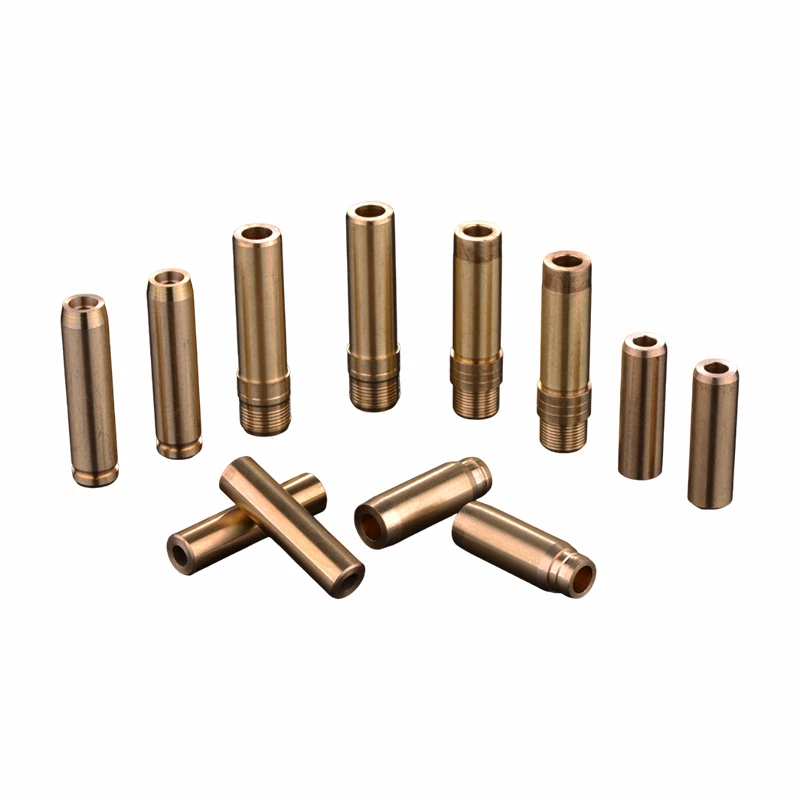
First off, let's understand what Floating Bearings are. A Floating Bearing is a crucial component in many mechanical systems, especially in automotive applications. You can check out more about them here: Floating Bearing. These bearings are designed to allow some degree of movement while supporting loads, and they're often exposed to various harsh environments that can lead to corrosion.
Material Selection
One of the most fundamental anti - corrosion measures starts right at the material selection stage. When we're making Floating Bearings, we need to pick materials that are naturally resistant to corrosion. Stainless steel is a popular choice. It contains chromium, which forms a thin, protective oxide layer on the surface. This layer acts as a barrier, preventing oxygen and moisture from reaching the metal beneath and causing corrosion.
Another option is copper alloys. Copper has good corrosion resistance, especially in certain environments. For example, some copper - based alloys are resistant to seawater corrosion, making them suitable for marine applications where Floating Bearings might be used. If you're interested in other copper - alloy auto parts, you can check out Valve Guide Pipe and Cooper Thrust Bearing.
Surface Treatments
After choosing the right material, surface treatments can further enhance the anti - corrosion properties of Floating Bearings. One common treatment is galvanizing. In this process, a layer of zinc is applied to the surface of the bearing. Zinc is more reactive than the base metal of the bearing, so when exposed to a corrosive environment, the zinc corrodes first, sacrificing itself to protect the underlying metal.
Powder coating is also a great option. It involves applying a dry powder to the bearing surface and then baking it to form a hard, protective coating. This coating not only provides corrosion resistance but also gives the bearing a nice finish. It can protect the bearing from scratches and other physical damage that could potentially expose the metal to corrosion.
Lubrication
Lubrication is not just for reducing friction; it also plays a vital role in preventing corrosion. A good lubricant forms a protective film on the surface of the Floating Bearing. This film acts as a barrier between the metal and the corrosive elements in the environment, such as water and oxygen.
There are different types of lubricants available, such as mineral oils, synthetic oils, and greases. The choice of lubricant depends on the operating conditions of the bearing. For example, in high - temperature environments, synthetic oils might be a better choice as they have better thermal stability. Regularly checking and replenishing the lubricant is also essential to ensure its effectiveness.
Environmental Control
Controlling the environment where the Floating Bearing operates can significantly reduce the risk of corrosion. If possible, keep the bearing in a dry and clean environment. Moisture is one of the main culprits when it comes to corrosion, so reducing humidity levels can make a big difference.
In industrial settings, installing ventilation systems can help remove moisture and other corrosive gases from the air. If the bearing is used outdoors, protective enclosures can be installed to shield it from rain, snow, and other environmental factors.
Maintenance and Inspection
Regular maintenance and inspection are key to detecting and preventing corrosion early. During inspections, look for signs of corrosion, such as rust spots, discoloration, or pitting on the bearing surface. If corrosion is detected, it's important to take action immediately.
Depending on the severity of the corrosion, you might be able to clean the bearing and apply a new protective coating. In more severe cases, the bearing might need to be replaced. Keeping a maintenance schedule and records can help ensure that the bearings are properly cared for over time.
Quality Assurance
As a Floating Bearing supplier, we have a responsibility to ensure the quality of our products. This includes implementing strict quality control measures during the manufacturing process. We use advanced testing equipment to check the anti - corrosion properties of the bearings before they leave the factory.
We also work closely with our customers to understand their specific requirements and provide them with the best - suited products. If you have any questions or need advice on anti - corrosion measures for your Floating Bearings, don't hesitate to reach out. We're here to help you make the most of your bearings and keep them in top condition.
In conclusion, protecting Floating Bearings from corrosion requires a multi - faceted approach. From material selection and surface treatments to lubrication, environmental control, and maintenance, every step plays an important role. By taking these anti - corrosion measures, you can extend the lifespan of your Floating Bearings and ensure their reliable performance.
If you're in the market for high - quality Floating Bearings or have any questions about anti - corrosion measures, we'd love to hear from you. Contact us to start a conversation about your procurement needs. We're confident that we can provide you with the best solutions for your applications.
References
- "Corrosion Prevention and Control in Engineering" by various authors
- Technical literature from bearing manufacturers and material suppliers


