How to Replace a Floating Bearing?
Floating bearings play a crucial role in various mechanical systems, providing support and reducing friction for rotating shafts. As a floating bearing supplier, I understand the importance of proper installation and replacement procedures. In this blog post, I will guide you through the process of replacing a floating bearing, ensuring that your machinery operates smoothly and efficiently.
Step 1: Gather the Necessary Tools and Materials
Before you begin the replacement process, it is essential to gather all the required tools and materials. Here is a list of items you will need:
- New floating bearing: Make sure to select the correct bearing that matches the specifications of your existing bearing. As a floating bearing supplier, we offer a wide range of high-quality bearings to meet your specific needs.
- Socket set and wrenches: These tools will be used to remove and install the bolts and nuts that secure the bearing housing.
- Pliers and screwdrivers: These tools may be needed to remove any clips or fasteners that hold the bearing in place.
- Cleaning supplies: You will need a clean cloth, degreaser, and a brush to clean the bearing housing and shaft before installing the new bearing.
- Lubricant: Apply a suitable lubricant to the new bearing to ensure smooth operation and reduce friction.
Step 2: Prepare the Work Area
Before you start working on the machinery, it is important to prepare the work area. Here are some steps to follow:
- Turn off the power: Ensure that the machinery is completely shut down and the power is disconnected to prevent any accidents.
- Drain the lubricant: If the bearing is located in a lubricated system, drain the lubricant from the system to avoid spills and contamination.
- Remove any covers or guards: Remove any covers or guards that are blocking access to the bearing housing. This will make it easier to work on the bearing.
Step 3: Remove the Old Bearing
Once you have prepared the work area, it is time to remove the old bearing. Here are the steps to follow:
- Remove the bolts and nuts: Use the socket set and wrenches to remove the bolts and nuts that secure the bearing housing. Keep these fasteners in a safe place for reinstallation.
- Remove the bearing housing: Carefully lift the bearing housing off the shaft. Be cautious not to damage the shaft or any other components.
- Remove the old bearing: Use pliers or a bearing puller to remove the old bearing from the housing. If the bearing is stuck, you may need to use a heat gun or torch to gently heat the housing to expand it and make it easier to remove the bearing.
- Clean the bearing housing and shaft: Use a clean cloth, degreaser, and a brush to clean the bearing housing and shaft thoroughly. Remove any dirt, debris, or old lubricant.
Step 4: Install the New Bearing
After removing the old bearing and cleaning the housing and shaft, it is time to install the new bearing. Here are the steps to follow:
- Apply lubricant: Apply a suitable lubricant to the new bearing to ensure smooth operation and reduce friction.
- Align the bearing: Carefully align the new bearing with the shaft and insert it into the housing. Make sure the bearing is properly seated and centered.
- Install the bearing housing: Place the bearing housing back onto the shaft and align it with the mounting holes. Insert the bolts and nuts and tighten them securely using the socket set and wrenches.
- Check the alignment: Use a dial indicator or other alignment tools to check the alignment of the bearing and shaft. Make any necessary adjustments to ensure proper alignment.
Step 5: Reassemble the Machinery
Once the new bearing is installed, it is time to reassemble the machinery. Here are the steps to follow:
- Reinstall any covers or guards: Replace any covers or guards that were removed earlier to protect the bearing and other components.
- Refill the lubricant: If the bearing is located in a lubricated system, refill the system with the appropriate lubricant to the recommended level.
- Turn on the power: Reconnect the power to the machinery and turn it on. Check for any abnormal noises or vibrations to ensure that the bearing is functioning properly.
Step 6: Maintenance and Inspection
After replacing the floating bearing, it is important to perform regular maintenance and inspection to ensure its long-term performance. Here are some tips to follow:
- Monitor the bearing temperature: Use a temperature sensor or infrared thermometer to monitor the temperature of the bearing during operation. If the temperature exceeds the recommended range, it may indicate a problem with the bearing or the lubrication system.
- Check the lubrication level: Regularly check the lubrication level in the system and top it up if necessary. Make sure to use the correct type of lubricant recommended by the manufacturer.
- Inspect the bearing for wear and damage: Periodically inspect the bearing for signs of wear, damage, or misalignment. Look for any cracks, chips, or excessive play in the bearing. If you notice any issues, replace the bearing immediately.
- Follow the manufacturer's maintenance schedule: Refer to the manufacturer's maintenance schedule for the specific machinery and bearing. Follow the recommended maintenance procedures and intervals to ensure optimal performance and longevity.
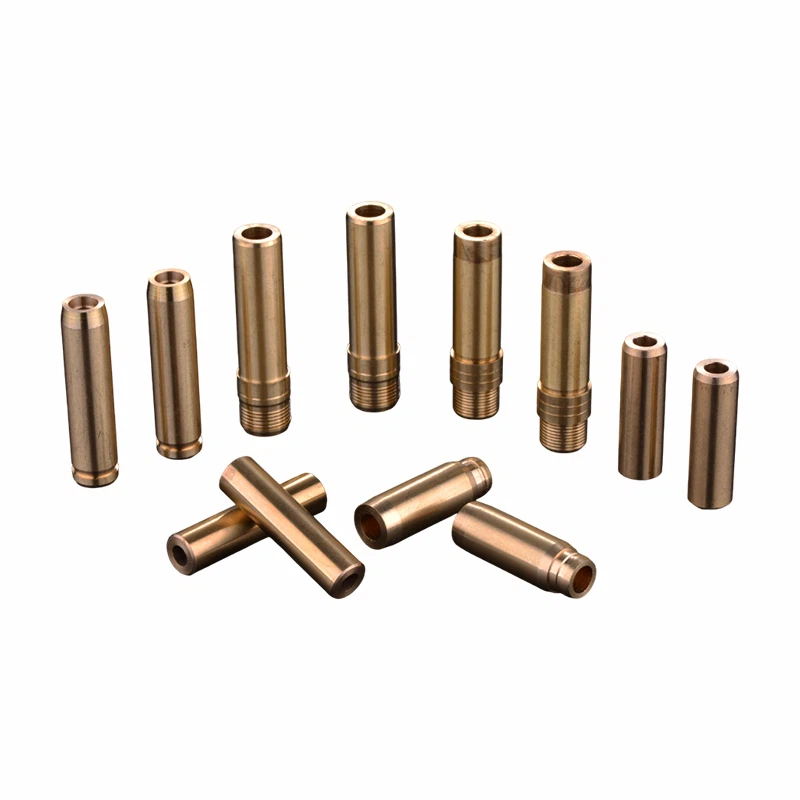
In addition to floating bearings, we also supply other high-quality copper alloy products such as Cooper Bushing, Valve Guide Pipe, and Cooper Thrust Bearing. These products are widely used in various industries and applications, providing reliable performance and durability.


If you are in need of floating bearings or other copper alloy products, please feel free to contact us for more information and to discuss your specific requirements. Our team of experts is dedicated to providing you with the best products and services to meet your needs.
References
- Machinery's Handbook, 31st Edition
- Bearing Installation and Maintenance Guide, SKF
- Industrial Lubrication Handbook, CRC Press