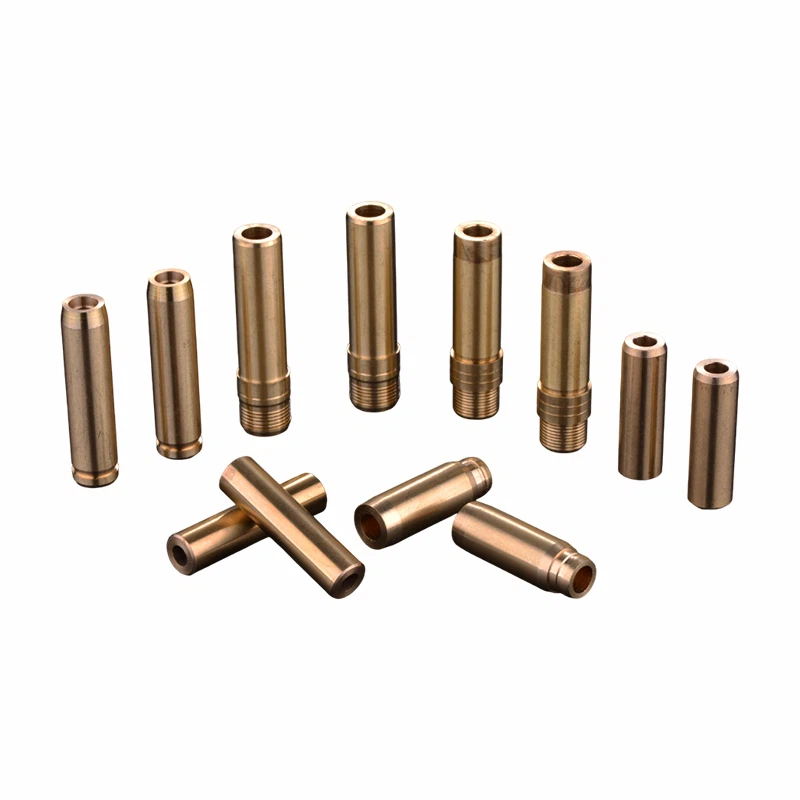
Hey there! As a supplier of Floating Bearings, I've seen firsthand how high temperatures can take a toll on these crucial components. Floating bearings are used in a variety of applications, from automotive engines to industrial machinery. And in many of these applications, they're exposed to some seriously high heat. So, in this blog post, I'm going to share some tips on how to protect a floating bearing from high temperatures.
First off, let's talk about why high temperatures are such a problem for floating bearings. When a bearing gets too hot, it can cause a whole host of issues. For starters, the lubricant that keeps the bearing running smoothly can break down. This leads to increased friction, which in turn generates even more heat. It's a vicious cycle that can quickly lead to bearing failure.
Another problem is that high temperatures can cause the metal in the bearing to expand. This can change the clearances between the bearing and the shaft, leading to increased wear and tear. Over time, this can cause the bearing to seize up, which can be a real headache.
So, how can you protect your floating bearings from high temperatures? Here are some tips:
Choose the Right Lubricant
One of the most important things you can do is choose the right lubricant for your floating bearings. Not all lubricants are created equal, and some are better suited for high-temperature applications than others. Look for a lubricant that has a high viscosity index and a high flash point. These properties will help the lubricant maintain its integrity at high temperatures.
For example, synthetic lubricants are often a good choice for high-temperature applications. They have excellent thermal stability and can withstand higher temperatures than traditional mineral oils. Some synthetic lubricants are specifically formulated for use in high-temperature bearings, so be sure to do your research and find one that's right for your needs.
Provide Adequate Cooling
Another key strategy is to provide adequate cooling for your floating bearings. This can be done in a number of ways. One common method is to use a cooling jacket or a heat sink. These devices work by transferring heat away from the bearing and into the surrounding environment.
In some cases, you may also be able to use a liquid coolant to cool the bearing. This can be particularly effective in applications where the bearing is exposed to extremely high temperatures. However, it's important to make sure that the coolant is compatible with the bearing material and the lubricant.
Monitor Temperature
Regularly monitoring the temperature of your floating bearings is crucial. This will allow you to detect any potential problems early on and take corrective action before it's too late. You can use a temperature sensor or a thermal imaging camera to measure the temperature of the bearing.
If you notice that the temperature of the bearing is rising above normal levels, it's important to investigate the cause. It could be due to a number of factors, such as a lack of lubrication, a misaligned shaft, or a problem with the cooling system. Once you've identified the cause, you can take steps to fix it and prevent further damage to the bearing.
Use High-Temperature Materials
When selecting floating bearings, consider using materials that are designed to withstand high temperatures. For example, some bearings are made from special alloys that have excellent heat resistance properties. These materials can help the bearing maintain its performance and durability even in extreme heat.


In addition to the bearing material itself, you may also want to consider using high-temperature coatings or treatments. These can provide an extra layer of protection against heat and wear.
Maintain Proper Alignment
Proper alignment of the shaft and the bearing is essential for preventing excessive heat generation. When the shaft is misaligned, it can cause uneven loading on the bearing, which can lead to increased friction and heat. Make sure that the shaft is properly aligned during installation and regularly check for any signs of misalignment during operation.
Avoid Overloading
Overloading a floating bearing can also cause it to overheat. Make sure that you're using the right size and type of bearing for your application and that you're not exceeding its load capacity. If you need to increase the load on the bearing, consider upgrading to a larger or more heavy-duty bearing.
Keep the Environment Clean
A dirty environment can also contribute to high temperatures in floating bearings. Dust, dirt, and debris can get into the bearing and cause increased friction. Make sure to keep the area around the bearing clean and free of contaminants. You may also want to consider using a protective cover or shield to prevent debris from entering the bearing.
Regular Maintenance
Finally, regular maintenance is key to keeping your floating bearings in good condition. This includes things like changing the lubricant at regular intervals, inspecting the bearing for signs of wear and damage, and tightening any loose bolts or connections. By following a regular maintenance schedule, you can catch any problems early on and prevent them from turning into major issues.
In conclusion, protecting your floating bearings from high temperatures is essential for ensuring their long-term performance and reliability. By following these tips, you can help your bearings withstand the heat and keep your equipment running smoothly.
If you're in the market for high-quality floating bearings, check out our Floating Bearing offerings. We also have a great selection of Cooper Bushing and Compressor Swash Plate options. If you have any questions or would like to discuss your specific needs, don't hesitate to reach out. We're here to help you find the right solutions for your applications.
References
- "Bearing Handbook" by SKF
- "Machinery's Handbook" by Industrial Press Inc.
- "Lubrication Fundamentals" by John F. Hartnett