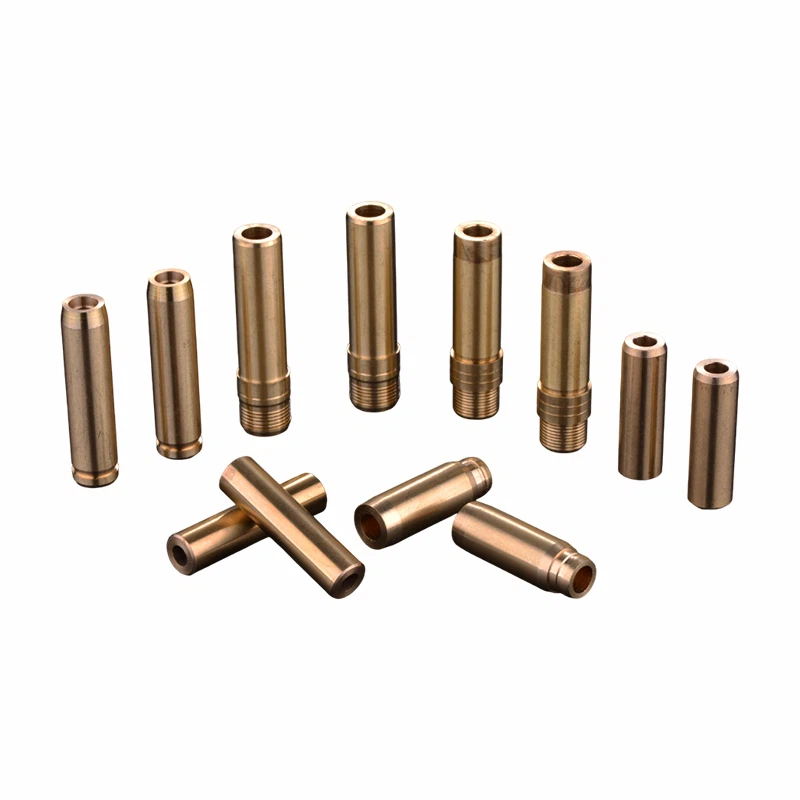
Hey there! As a supplier of Floating Bearings, I've seen my fair share of issues related to bearing overloading. It's a common problem that can lead to premature wear, reduced performance, and even complete bearing failure. In this blog post, I'll share some tips on how to prevent overloading of a floating bearing, based on my experience in the industry.
First off, let's understand what a floating bearing is. A floating bearing is a type of bearing that allows for some axial movement while supporting radial loads. It's commonly used in various applications, such as automotive engines, industrial machinery, and power generation equipment. The Floating Bearing we supply is made of high - quality copper alloy, which offers excellent durability and performance.
Understanding the Causes of Overloading
Before we can prevent overloading, we need to know what causes it. There are several factors that can lead to overloading of a floating bearing:
- Excessive Loads: This is the most obvious cause. If the bearing is subjected to loads that are higher than its rated capacity, it will start to experience stress and wear. For example, in a heavy - duty industrial machine, if the equipment is used to handle loads beyond the bearing's specifications, overloading is likely to occur.
- Misalignment: When the shaft and the housing are not properly aligned, the bearing will not be able to distribute the loads evenly. This can cause uneven wear on the bearing surfaces and lead to overloading. Misalignment can be caused by improper installation, thermal expansion, or vibration.
- Poor Lubrication: Lubrication is crucial for the proper functioning of a bearing. If there is not enough lubricant or if the lubricant is contaminated, the friction between the bearing surfaces will increase. This can generate excessive heat, which in turn can cause the bearing to deform and overload.
- Vibration and Shock: High - frequency vibrations and sudden shocks can also cause overloading. In an automotive engine, for instance, the rapid acceleration and deceleration can create shock loads on the bearings. If the bearing is not designed to handle these types of loads, it will be at risk of overloading.
Preventive Measures
Now that we know the causes, let's look at some ways to prevent overloading:
1. Select the Right Bearing
- Load Rating: Make sure to choose a bearing with a load rating that is appropriate for your application. Consider both the static and dynamic loads that the bearing will be subjected to. You can refer to the manufacturer's specifications to determine the right bearing for your needs. Our Floating Bearing comes with detailed load - rating information to help you make the right choice.
- Size and Type: The size and type of the bearing also matter. A bearing that is too small for the application will be more likely to overload, while a bearing that is too large may not fit properly or may be more expensive than necessary.
2. Ensure Proper Installation
- Alignment: Use precision alignment tools during installation to ensure that the shaft and the housing are perfectly aligned. This will help the bearing distribute the loads evenly and prevent overloading due to misalignment.
- Clearance: Check and adjust the bearing clearance according to the manufacturer's recommendations. Proper clearance is essential for the bearing to operate smoothly and handle loads effectively.
3. Maintain Good Lubrication
- Lubricant Selection: Choose a lubricant that is suitable for your application. Consider factors such as the operating temperature, load, and speed. For high - temperature applications, a lubricant with a high - temperature resistance is required.
- Regular Maintenance: Establish a regular lubrication maintenance schedule. Check the lubricant level regularly and replace it when it becomes contaminated or reaches the end of its service life.
4. Control Vibration and Shock
- Vibration Dampening: Use vibration - dampening materials or devices to reduce the impact of vibrations on the bearing. For example, rubber mounts can be used to isolate the equipment from the source of vibration.
- Shock Absorbers: In applications where shock loads are common, install shock absorbers to protect the bearing. This can help reduce the peak loads and prevent overloading.
Related Products and Their Role
In addition to the floating bearing, there are other related products that can play a role in preventing overloading. For example, the Cooper Thrust Bearing is designed to handle axial loads. By using a Cooper Thrust Bearing in combination with a floating bearing, you can better distribute the loads and reduce the risk of overloading.


Another related product is the Valve Guide Pipe. In an automotive engine, the valve guide pipe helps to guide the valve stem and ensure proper valve operation. A well - functioning valve guide pipe can reduce the stress on the bearings and contribute to the overall reliability of the engine.
Conclusion
Preventing overloading of a floating bearing is essential for ensuring the long - term performance and reliability of your equipment. By understanding the causes of overloading and taking the appropriate preventive measures, you can significantly extend the service life of your bearings. As a floating bearing supplier, we are committed to providing high - quality products and technical support to help you solve your bearing - related problems.
If you're interested in our Floating Bearing or other related products, feel free to contact us for more information. We're here to assist you with your procurement needs and help you find the best solutions for your applications.
References
- "Bearing Handbook" - A comprehensive guide on bearing design, installation, and maintenance.
- "Mechanical Engineering Design" - A textbook that covers various aspects of mechanical design, including bearing selection and load analysis.