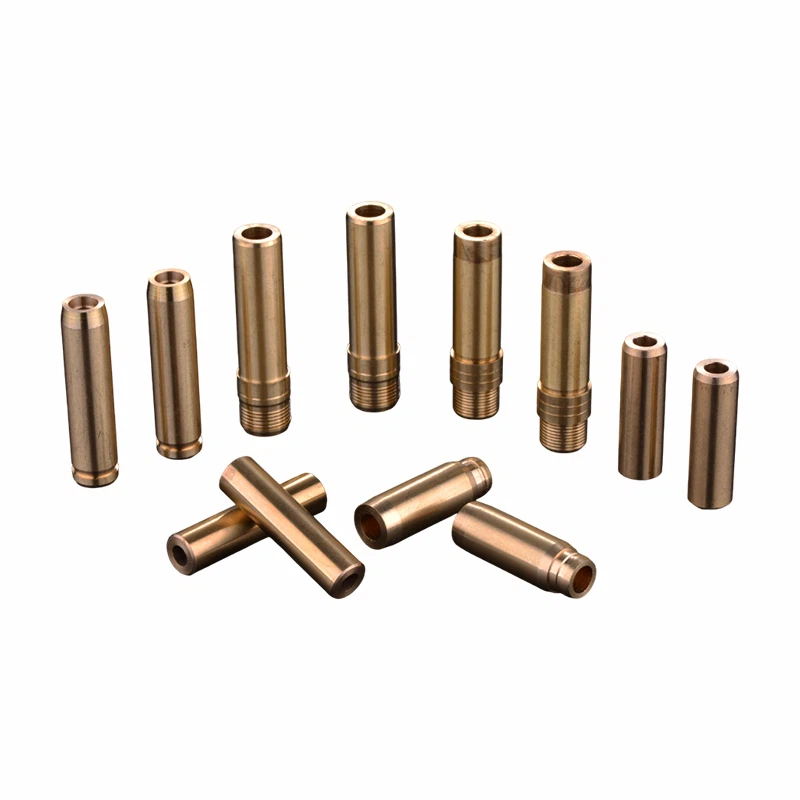
Installing a valve guide pipe is a crucial process in engine maintenance and repair. As a professional valve guide pipe supplier, I understand the importance of a proper installation to ensure the optimal performance and longevity of the engine. In this blog post, I will share a detailed guide on how to install a valve guide pipe, covering everything from the necessary tools to the step-by-step installation process.
Necessary Tools
Before you start the installation process, it's essential to gather all the necessary tools. Here's a list of tools you'll need:


- Valve guide reamer set: This tool is used to ream the valve guide bore to the correct size.
- Valve guide installer: A specialized tool designed to press the valve guide pipe into the cylinder head.
- Cylinder head vise: To securely hold the cylinder head during the installation process.
- Torque wrench: To ensure that the bolts are tightened to the correct specification.
- Valve spring compressor: To compress the valve springs and remove the keepers.
- Clean rags and solvents: To clean the cylinder head and valve guide bore.
Pre-Installation Preparation
- Inspect the Cylinder Head: Before installing the new valve guide pipe, thoroughly inspect the cylinder head for any cracks, warping, or other damage. If any issues are found, the cylinder head may need to be repaired or replaced.
- Clean the Cylinder Head: Use a suitable solvent and clean rags to clean the cylinder head, removing any dirt, debris, or carbon deposits. Pay special attention to the valve guide bore, ensuring it is clean and free of any contaminants.
- Measure the Valve Guide Bore: Use a micrometer to measure the inside diameter of the valve guide bore. Compare the measurement with the specifications provided by the engine manufacturer to determine if the bore needs to be reamed.
- Select the Correct Valve Guide Pipe: Based on the measurement of the valve guide bore, select the appropriate valve guide pipe. Make sure the valve guide pipe is made of high-quality materials and meets the specifications of the engine.
Step-by-Step Installation Process
- Remove the Old Valve Guide Pipe: If there is an existing valve guide pipe in the cylinder head, it needs to be removed first. Use a valve guide puller or a suitable punch and hammer to carefully remove the old valve guide pipe. Be careful not to damage the cylinder head during this process.
- Ream the Valve Guide Bore: If the valve guide bore needs to be reamed, use a valve guide reamer set to gradually enlarge the bore to the correct size. Follow the manufacturer's instructions for the reaming process, and make sure to use the correct cutting fluid to prevent overheating and damage to the reamer.
- Prepare the New Valve Guide Pipe: Before installing the new valve guide pipe, lubricate the outside of the pipe with a suitable lubricant. This will help to prevent damage to the pipe and make the installation process easier.
- Install the Valve Guide Pipe: Use a valve guide installer to press the new valve guide pipe into the cylinder head. Make sure the valve guide pipe is installed straight and perpendicular to the cylinder head. Apply even pressure during the installation process to ensure a proper fit.
- Check the Installation: After installing the valve guide pipe, check the installation to ensure that the pipe is properly seated and aligned. Use a feeler gauge to check the clearance between the valve stem and the valve guide pipe. The clearance should be within the specifications provided by the engine manufacturer.
- Install the Valves and Valve Springs: Once the valve guide pipe is installed and checked, install the valves and valve springs. Use a valve spring compressor to compress the valve springs and install the keepers. Make sure the valves are properly seated and aligned, and that the valve springs are installed with the correct tension.
- Tighten the Bolts: Use a torque wrench to tighten the bolts that hold the cylinder head to the engine block. Follow the manufacturer's specifications for the torque settings, and make sure to tighten the bolts in a crisscross pattern to ensure even pressure.
Tips and Tricks
- Use the Right Tools: Using the correct tools is essential for a successful valve guide pipe installation. Make sure you have all the necessary tools before you start the installation process.
- Follow the Manufacturer's Instructions: Always follow the manufacturer's instructions for the valve guide pipe installation process. This will ensure that the installation is done correctly and that the engine will perform optimally.
- Take Your Time: Installing a valve guide pipe is a delicate process that requires patience and precision. Take your time and make sure each step is done correctly.
- Seek Professional Help if Needed: If you are not confident in your ability to install the valve guide pipe, it's best to seek professional help. A qualified mechanic or engine builder can ensure that the installation is done correctly and that the engine will perform as expected.
Conclusion
Installing a valve guide pipe is a complex but essential process in engine maintenance and repair. By following the steps outlined in this blog post and using the right tools and techniques, you can successfully install a valve guide pipe and ensure the optimal performance and longevity of your engine. As a valve guide pipe supplier, we offer a wide range of high-quality valve guide pipes that are designed to meet the specifications of various engines. If you have any questions or need assistance with valve guide pipe installation, please feel free to contact us for more information. We are always ready to help you with your engine maintenance and repair needs.
Additional Information
In addition to valve guide pipes, we also supply other high-quality auto copper parts, such as Compressor Swash Plate, Cooper Bushing, and Cooper Thrust Bearing. These parts are made of high-quality copper alloys and are designed to provide excellent performance and durability. If you are interested in purchasing these parts, please contact us for more information.
References
- Engine Repair Manuals
- Valve Guide Pipe Manufacturer's Specifications
- Automotive Technical Literature