


As a supplier of Steel Piston Shoe, I've witnessed firsthand the critical role that sealing performance plays in the functionality and longevity of these components. In this blog, I'll share some insights on how to enhance the sealing performance of steel piston shoes, drawing on my years of experience in the industry.
Understanding the Basics of Sealing in Steel Piston Shoes
Before delving into the methods of improving sealing performance, it's essential to understand the basic principles of sealing in steel piston shoes. The sealing function is primarily achieved through the interaction between the piston shoe and the mating surface, typically a swash plate or a cylinder block. The contact between these two surfaces creates a seal that prevents the leakage of hydraulic fluid, which is crucial for the efficient operation of hydraulic systems.
The sealing performance of steel piston shoes is influenced by several factors, including the material properties, surface finish, geometric accuracy, and operating conditions. By optimizing these factors, we can significantly improve the sealing effectiveness and reduce the risk of leakage.
Material Selection and Treatment
The choice of material for steel piston shoes is fundamental to their sealing performance. High-quality steel alloys with excellent wear resistance, corrosion resistance, and mechanical properties are preferred. For example, alloy steels such as 42CrMo and 38CrMoAl are commonly used due to their high strength and hardness, which can withstand the high pressures and loads in hydraulic systems.
In addition to material selection, proper heat treatment is also crucial. Heat treatment processes such as quenching and tempering can improve the hardness and toughness of the steel, enhancing its wear resistance and sealing performance. Surface treatment methods, such as nitriding or carburizing, can further improve the surface hardness and corrosion resistance of the piston shoes, reducing the friction coefficient and preventing wear and tear.
Surface Finish Optimization
The surface finish of steel piston shoes has a significant impact on their sealing performance. A smooth and uniform surface finish can reduce friction, prevent wear, and improve the contact between the piston shoe and the mating surface. Therefore, it's essential to control the surface roughness during the manufacturing process.
Precision machining techniques, such as grinding and honing, can be used to achieve the desired surface finish. These processes can remove surface defects and irregularities, ensuring a smooth and flat surface. Additionally, the use of advanced polishing techniques can further improve the surface quality, reducing the risk of leakage.
Geometric Accuracy Control
Geometric accuracy is another critical factor affecting the sealing performance of steel piston shoes. The shape and dimensions of the piston shoe must be precisely controlled to ensure proper contact with the mating surface. Any deviation in geometry can lead to uneven pressure distribution, resulting in leakage.
During the manufacturing process, strict quality control measures should be implemented to ensure the geometric accuracy of the piston shoes. Advanced measurement techniques, such as coordinate measuring machines (CMMs), can be used to verify the dimensions and shape of the piston shoes. Any non-conforming products should be rejected or reworked to meet the required specifications.
Lubrication and Hydraulic Fluid Management
Proper lubrication is essential for maintaining the sealing performance of steel piston shoes. A lubricating film between the piston shoe and the mating surface can reduce friction, prevent wear, and improve the sealing effectiveness. Therefore, it's crucial to select the appropriate hydraulic fluid and ensure its proper management.
The hydraulic fluid should have good lubricating properties, viscosity stability, and anti-wear characteristics. Regular oil analysis should be conducted to monitor the quality of the hydraulic fluid and detect any signs of contamination or degradation. In addition, proper filtration systems should be installed to remove any solid particles or contaminants from the hydraulic fluid, preventing damage to the piston shoes and other components.
Operating Conditions Optimization
The operating conditions of steel piston shoes can also affect their sealing performance. High temperatures, high pressures, and high speeds can all increase the wear and tear of the piston shoes, reducing their sealing effectiveness. Therefore, it's essential to optimize the operating conditions to ensure the long-term reliability of the piston shoes.

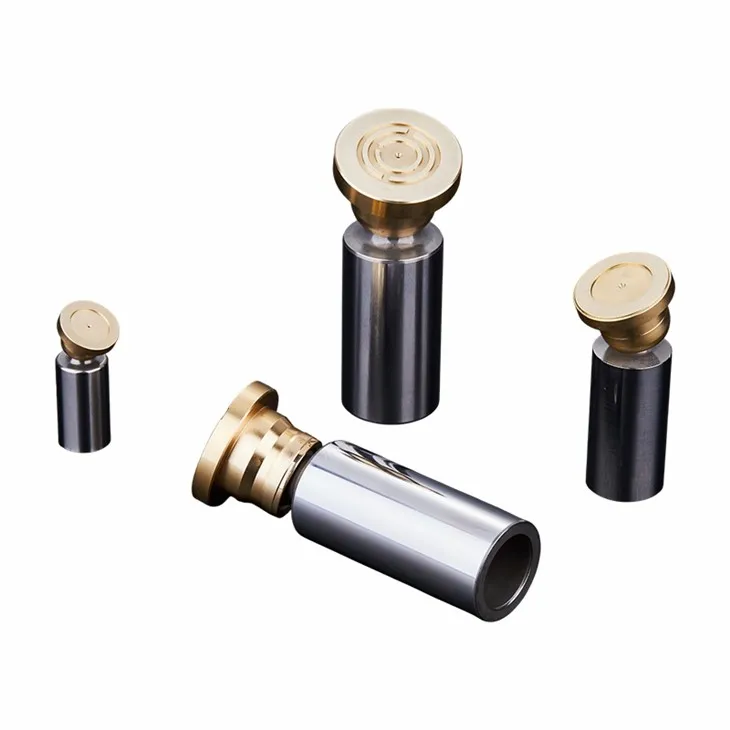
For example, the hydraulic system should be designed to operate within the recommended temperature and pressure ranges. Cooling systems can be installed to maintain the temperature of the hydraulic fluid within a safe range. Additionally, the speed of the piston shoes should be controlled to prevent excessive wear and tear.
Sealing Structure Design
The design of the sealing structure can also have a significant impact on the sealing performance of steel piston shoes. Different sealing structures, such as O-rings, lip seals, and mechanical seals, can be used depending on the specific application requirements.
When designing the sealing structure, factors such as the pressure, temperature, and fluid type should be considered. The sealing structure should be designed to provide a reliable seal under all operating conditions while minimizing the friction and wear between the piston shoe and the mating surface.
Regular Maintenance and Inspection
Regular maintenance and inspection are essential for ensuring the long-term sealing performance of steel piston shoes. By conducting regular inspections, any signs of wear, damage, or leakage can be detected early, allowing for timely repairs or replacements.
During maintenance, the piston shoes should be cleaned and inspected for any signs of wear or damage. The hydraulic fluid should be changed regularly, and the filtration system should be checked and cleaned. Additionally, the sealing structure should be inspected and replaced if necessary.
Conclusion
Improving the sealing performance of steel piston shoes is a complex process that requires careful consideration of various factors, including material selection, surface finish, geometric accuracy, lubrication, operating conditions, sealing structure design, and regular maintenance. By implementing the strategies outlined in this blog, we can significantly enhance the sealing effectiveness of steel piston shoes, reducing the risk of leakage and improving the reliability and efficiency of hydraulic systems.
If you're interested in purchasing high-quality Steel Piston Shoe with excellent sealing performance, please feel free to contact us for more information and to discuss your specific requirements. We're committed to providing our customers with the best products and services to meet their needs.
References
- Smith, J. (2018). Hydraulic Sealing Technology. New York: McGraw-Hill.
- Jones, R. (2019). Materials for Hydraulic Components. London: Elsevier.
- Brown, A. (2020). Surface Engineering for Tribological Applications. Cambridge: Cambridge University Press.


