


As a trusted supplier of Bronze Round Tube, I've had the privilege of witnessing the diverse applications and challenges our customers face when working with this remarkable material. One common task that often puzzles many is how to drill holes in a bronze round tube. In this blog, I'll delve into the step-by-step process, share essential tips, and highlight some key considerations to ensure a successful drilling operation.
Understanding Bronze Round Tube
Before we jump into the drilling process, it's crucial to understand the properties of bronze round tubes. Bronze is an alloy primarily composed of copper and tin, known for its excellent corrosion resistance, high strength, and good machinability. These characteristics make bronze round tubes a popular choice in various industries, including plumbing, electrical, and decorative applications.
At our company, we offer a wide range of Bronze Round Tube sizes and specifications to meet the diverse needs of our customers. Whether you're working on a small DIY project or a large-scale industrial application, we have the right bronze round tube for you.
Tools and Materials Required
To drill holes in a bronze round tube, you'll need the following tools and materials:

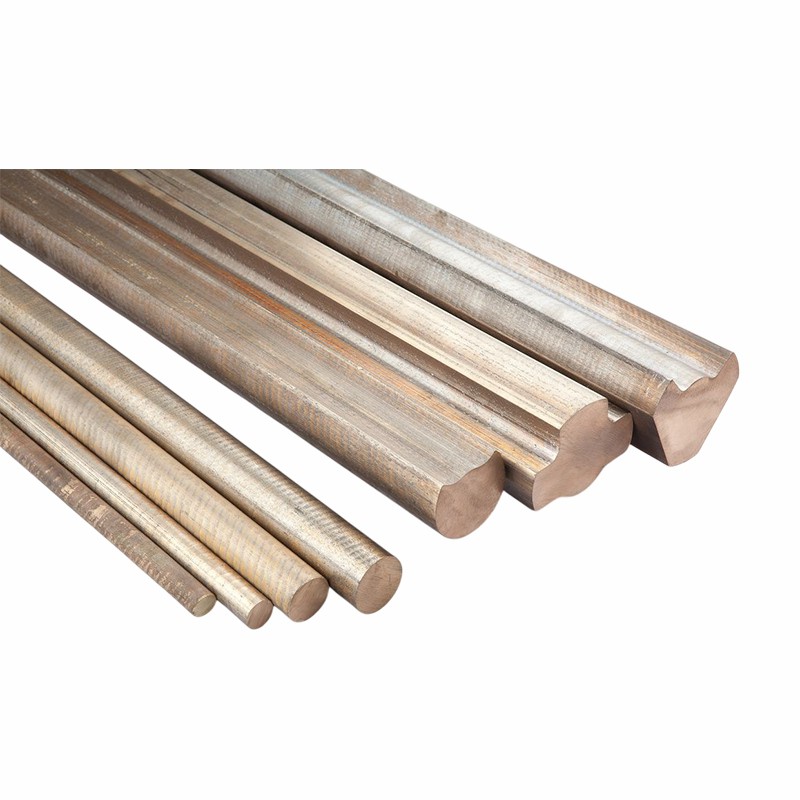
- Drill Press or Hand Drill: A drill press offers more precision and control, especially for larger or multiple holes. However, a hand drill can also be used for smaller projects or when portability is required.
- Drill Bits: Select drill bits made specifically for drilling through metal. High-speed steel (HSS) or cobalt drill bits are recommended for bronze. The size of the drill bit will depend on the diameter of the hole you need to drill.
- Clamps: Use clamps to secure the bronze round tube firmly in place to prevent it from moving during the drilling process.
- Cutting Fluid: Applying cutting fluid to the drill bit and the surface of the bronze tube helps to reduce friction, prevent overheating, and extend the life of the drill bit. You can use a commercial cutting fluid or a mixture of oil and water.
- Safety Gear: Wear safety glasses to protect your eyes from flying debris, and gloves to protect your hands.
Step-by-Step Drilling Process
Now that you have all the necessary tools and materials, let's walk through the step-by-step process of drilling holes in a bronze round tube:
- Mark the Drilling Location: Use a center punch or a scribe to mark the exact location where you want to drill the hole. This will help to prevent the drill bit from wandering and ensure accurate hole placement.
- Secure the Tube: Place the bronze round tube in a vise or use clamps to secure it firmly to a workbench. Make sure the tube is level and stable to prevent it from moving during the drilling process.
- Select the Drill Bit: Choose the appropriate drill bit size based on the diameter of the hole you need to drill. Insert the drill bit into the drill press or hand drill.
- Apply Cutting Fluid: Apply a small amount of cutting fluid to the drill bit and the surface of the bronze tube at the drilling location. This will help to reduce friction and prevent overheating.
- Start Drilling: Begin drilling at a slow speed to establish a pilot hole. Once the pilot hole is formed, gradually increase the drilling speed. Apply steady pressure on the drill to keep the bit moving smoothly through the bronze tube.
- Drill to the Desired Depth: Continue drilling until you reach the desired depth. You can use a depth stop on the drill press or mark the drill bit with tape to indicate the desired depth.
- Remove the Drill Bit: Once you've drilled the hole, turn off the drill and carefully remove the drill bit from the tube.
- Clean the Hole: Use a deburring tool or a file to remove any burrs or rough edges from the hole. This will ensure a smooth finish and prevent damage to any components that will be inserted into the hole.
Tips and Considerations
- Use the Right Drill Bit: As mentioned earlier, use drill bits made specifically for drilling through metal. High-speed steel (HSS) or cobalt drill bits are recommended for bronze. Make sure the drill bit is sharp and in good condition to ensure clean and accurate holes.
- Control the Drilling Speed: Drilling too fast can cause the drill bit to overheat and dull quickly, while drilling too slowly can result in a rough finish and increased wear on the drill bit. Find the right balance by starting at a slow speed and gradually increasing it as needed.
- Apply Steady Pressure: Apply steady and even pressure on the drill to keep the bit moving smoothly through the bronze tube. Avoid applying too much pressure, as this can cause the drill bit to break or the tube to deform.
- Cool the Drill Bit: To prevent the drill bit from overheating, periodically stop drilling and apply cutting fluid to the bit and the surface of the tube. You can also use a coolant spray or a misting system to keep the drill bit cool.
- Check the Hole Size: After drilling the hole, use a caliper or a drill gauge to check the diameter of the hole. If the hole is too small, you can use a larger drill bit to enlarge it. If the hole is too large, you may need to fill it and redrill.
Other Bronze Products
In addition to Bronze Round Tube, we also offer a variety of other bronze products, including Bronze Square Rod and Bronze Shaped Rod. These products are available in different sizes and specifications to meet your specific requirements.
Conclusion
Drilling holes in a bronze round tube may seem like a daunting task, but with the right tools, materials, and techniques, it can be a relatively straightforward process. By following the steps outlined in this blog and keeping the tips and considerations in mind, you can achieve accurate and clean holes in your bronze round tube.
If you have any questions or need further assistance with drilling holes in a bronze round tube or any other bronze products, please don't hesitate to contact us. We're here to help you find the right solutions for your projects. Whether you're a professional contractor or a DIY enthusiast, we look forward to working with you and providing you with high-quality bronze products and excellent customer service.
References
- ASM Handbook, Volume 6: Welding, Brazing, and Soldering. ASM International.
- Machinery's Handbook, 31st Edition. Industrial Press Inc.


