


As a seasoned supplier of steel products, I've witnessed firsthand how the surface finish of these materials can significantly impact both their appearance and performance. In this blog post, I'll delve into the various aspects of surface finish, exploring its effects on steel products and why it matters in different applications.
Understanding Surface Finish
Surface finish refers to the texture and quality of the surface of a steel product. It encompasses a range of characteristics, including roughness, waviness, and lay. These features are determined by the manufacturing processes used to shape and treat the steel, such as machining, grinding, polishing, and coating.
The surface finish of a steel product can be described using various parameters, such as Ra (average roughness), Rz (maximum height of the profile), and Rq (root mean square roughness). These values provide a quantitative measure of the surface texture and help to ensure consistency and quality in manufacturing.
Effects on Appearance
The surface finish of a steel product has a profound impact on its appearance. A smooth, polished finish can give the steel a sleek, modern look, while a rough or textured finish can add a rustic or industrial aesthetic. The choice of surface finish depends on the intended application and the desired visual effect.
- Aesthetics: In many industries, such as architecture, automotive, and consumer goods, the appearance of steel products is crucial. A high-quality surface finish can enhance the overall aesthetic appeal of a product, making it more attractive to customers. For example, in the automotive industry, a polished steel finish can give a car a luxurious and sophisticated look, while a brushed finish can add a more rugged and sporty appearance.
- Cleanliness and Hygiene: In industries where cleanliness and hygiene are important, such as food processing, medical equipment, and pharmaceuticals, a smooth and non-porous surface finish is essential. A rough or textured surface can trap dirt, bacteria, and other contaminants, making it difficult to clean and maintain. A polished or coated surface, on the other hand, is easier to clean and sanitize, reducing the risk of contamination.
- Corrosion Resistance: The surface finish of a steel product can also affect its corrosion resistance. A smooth and protected surface is less likely to corrode than a rough or exposed surface. For example, a galvanized or painted steel surface provides a protective barrier against moisture and oxygen, preventing rust and corrosion. A polished surface can also reduce the surface area available for corrosion to occur, further enhancing the corrosion resistance of the steel.
Effects on Performance
In addition to its impact on appearance, the surface finish of a steel product can also affect its performance. The surface texture and quality can influence factors such as friction, wear resistance, and fatigue life.
- Friction and Lubrication: The surface finish of a steel product can affect the friction between the steel and other materials. A smooth surface finish generally results in lower friction, which can reduce energy consumption and wear. In applications where lubrication is used, a smooth surface can help to distribute the lubricant evenly, improving its effectiveness. For example, in automotive engines, a polished crankshaft surface can reduce friction and wear, improving engine efficiency and performance.
- Wear Resistance: The surface finish of a steel product can also affect its wear resistance. A hard and smooth surface finish is generally more resistant to wear than a soft or rough surface. In applications where the steel is subjected to high levels of friction or abrasion, such as in mining, construction, and manufacturing, a wear-resistant surface finish can extend the service life of the product. For example, a hardened and polished steel surface can resist wear and tear in a conveyor belt system, reducing maintenance costs and downtime.
- Fatigue Life: The surface finish of a steel product can also affect its fatigue life. A smooth and defect-free surface is less likely to develop cracks and fractures under cyclic loading, which can improve the fatigue life of the product. In applications where the steel is subjected to repeated stress, such as in aerospace, automotive, and structural engineering, a high-quality surface finish can enhance the reliability and safety of the product. For example, a polished and stress-relieved steel surface can reduce the risk of fatigue failure in an aircraft wing, ensuring the safety of passengers and crew.
Importance of Surface Finish in Different Applications
The importance of surface finish varies depending on the application of the steel product. In some applications, such as decorative or architectural uses, the appearance of the steel is the primary concern. In other applications, such as industrial or mechanical uses, the performance of the steel is more important.
- Architectural and Decorative Applications: In architectural and decorative applications, the surface finish of steel products is often used to enhance the aesthetic appeal of buildings and structures. Steel can be finished in a variety of ways, including polished, brushed, painted, and coated, to achieve different visual effects. For example, a polished stainless steel finish can give a building a modern and elegant look, while a brushed steel finish can add a more rustic and industrial aesthetic.
- Automotive and Aerospace Applications: In automotive and aerospace applications, the surface finish of steel products is critical for both performance and safety. A smooth and wear-resistant surface finish can reduce friction and wear, improving engine efficiency and performance. A high-quality surface finish can also enhance the corrosion resistance and fatigue life of the steel, ensuring the reliability and safety of the vehicle or aircraft. For example, a polished and coated steel surface can reduce the weight of an aircraft wing, improving fuel efficiency and range.
- Industrial and Mechanical Applications: In industrial and mechanical applications, the surface finish of steel products is often used to improve the performance and durability of the product. A hard and wear-resistant surface finish can reduce friction and wear, extending the service life of the product. A smooth and non-porous surface finish can also improve the cleanliness and hygiene of the product, making it suitable for use in food processing, medical equipment, and other industries where cleanliness is important. For example, a polished and coated steel surface can resist corrosion and wear in a chemical processing plant, ensuring the safety and reliability of the equipment.
Choosing the Right Surface Finish
Choosing the right surface finish for a steel product depends on several factors, including the intended application, the desired appearance, and the performance requirements. Here are some tips to help you choose the right surface finish for your steel products:

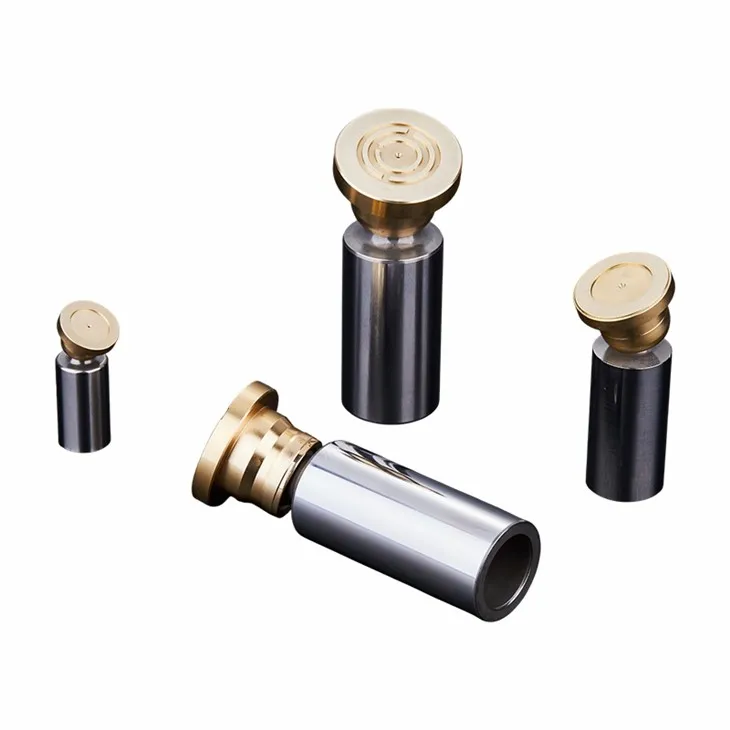
- Consider the Application: The first step in choosing the right surface finish is to consider the intended application of the steel product. Different applications have different requirements for appearance, performance, and durability. For example, in a decorative application, the appearance of the steel is the primary concern, while in an industrial application, the performance and durability of the steel are more important.
- Evaluate the Desired Appearance: The next step is to evaluate the desired appearance of the steel product. Do you want a smooth, polished finish, a brushed finish, or a textured finish? The choice of surface finish depends on the style and aesthetic of the application. For example, a polished finish is often used in high-end applications, while a brushed finish is more commonly used in industrial or rustic applications.
- Assess the Performance Requirements: In addition to appearance, you also need to assess the performance requirements of the steel product. What are the expected levels of friction, wear, and corrosion? Do you need a surface finish that is resistant to chemicals or high temperatures? The choice of surface finish depends on the specific performance requirements of the application. For example, in a high-temperature application, a heat-resistant surface finish may be required.
- Consider the Manufacturing Process: The choice of surface finish also depends on the manufacturing process used to produce the steel product. Some surface finishes may be more difficult or expensive to achieve than others. For example, a polished finish may require additional machining and polishing operations, while a coated finish may require specialized equipment and materials. It's important to consider the manufacturing process and cost when choosing the right surface finish for your steel products.
Conclusion
In conclusion, the surface finish of steel products plays a crucial role in both their appearance and performance. A high-quality surface finish can enhance the aesthetic appeal of the steel, improve its cleanliness and hygiene, and increase its corrosion resistance, wear resistance, and fatigue life. By choosing the right surface finish for your steel products, you can ensure that they meet the specific requirements of your application and provide long-lasting performance and value.
As a supplier of steel products, we understand the importance of surface finish and offer a wide range of surface finishing options to meet the needs of our customers. Whether you need a polished, brushed, painted, or coated surface finish, we can provide you with the high-quality steel products you need. If you have any questions or would like to discuss your surface finishing requirements, please don't hesitate to contact us. We look forward to working with you to find the perfect surface finish for your steel products.
References
- ASME B46.1 - Surface Texture (Surface Roughness, Waviness, and Lay)
- ISO 4287 - Geometrical Product Specifications (GPS) - Surface texture: Profile method - Terms, definitions and surface texture parameters
- ASTM A967 - Standard Specification for Chemical Passivation Treatments for Stainless Steel Parts
- ASTM B602 - Standard Practice for Numbering Metals and Alloys in the Unified Numbering System (UNS)


