


As a provider in the Rail Traffic industry, I've witnessed firsthand the challenges that come with overcrowding in rail systems. Overcrowding not only affects passenger comfort but also poses significant safety risks and operational inefficiencies. In this blog, I'll explore various strategies that rail traffic can adopt to address the problem of overcrowding.
Understanding the Causes of Overcrowding
Before delving into solutions, it's crucial to understand the root causes of overcrowding in rail traffic. One of the primary factors is population growth, especially in urban areas. As more people move to cities in search of better job opportunities and a higher quality of life, the demand for public transportation, including rail, increases exponentially. Additionally, inadequate infrastructure planning and development can exacerbate the problem. If rail networks are not expanded or upgraded to keep pace with population growth, overcrowding is inevitable.
Another contributing factor is the concentration of economic activities in certain areas. For example, in many cities, the central business district (CBD) attracts a large number of commuters during peak hours, leading to overcrowded trains and platforms. Moreover, the lack of alternative transportation options can also force people to rely solely on rail, further straining the system.
Strategies for Dealing with Overcrowding
Capacity Expansion
One of the most obvious solutions to overcrowding is to increase the capacity of the rail network. This can be achieved through various means, such as adding more trains, extending platforms, and upgrading tracks and signaling systems. By increasing the frequency of trains, more passengers can be transported during peak hours, reducing overcrowding. Additionally, longer trains can accommodate more passengers, allowing for a more efficient use of the existing infrastructure.
As a Rail Traffic [/copper-alloy-products/hydraulic-pump-part/rail-traffic.html] supplier, we offer a range of products and services to support capacity expansion projects. Our high-quality Plunger Pump Accessories Pressure Plate [/copper-alloy-products/hydraulic-pump-part/plunger-pump-accessories-pressure-plate.html] and Plunger Pump Ball Retainer [/copper-alloy-products/hydraulic-pump-part/plunger-pump-ball-retainer.html] are essential components for hydraulic systems in trains, ensuring smooth and reliable operation. These products are designed to withstand the rigors of heavy use and can contribute to the overall efficiency and safety of the rail network.
Demand Management
Another effective strategy is to manage the demand for rail services. This can be done through various measures, such as implementing peak and off-peak pricing, promoting flexible work hours, and encouraging the use of alternative transportation modes. By offering lower fares during off-peak hours, passengers can be incentivized to travel outside of peak times, reducing the pressure on the system during busy periods.
Flexible work hours can also help to spread out the demand for rail services. Employers can encourage their employees to work from home or adjust their working hours to avoid peak commuting times. This not only reduces overcrowding but also improves work-life balance for employees.
In addition, promoting the use of alternative transportation modes, such as buses, bicycles, and carpooling, can help to relieve the burden on the rail network. Governments and local authorities can invest in infrastructure and incentives to make these alternatives more attractive and accessible.
Operational Improvements
Improving the operational efficiency of the rail system can also help to reduce overcrowding. This can involve optimizing train schedules, improving station layouts, and enhancing the coordination between different modes of transportation. By running trains more frequently and on time, passengers can spend less time waiting on platforms, reducing overcrowding.
Station layouts can also be redesigned to improve the flow of passengers. For example, wider platforms, more escalators and elevators, and clear signage can help to reduce congestion and make it easier for passengers to move around. Additionally, better coordination between rail and other transportation modes, such as buses and taxis, can provide seamless connections for passengers, encouraging them to use multiple modes of transportation.
Technology Solutions
Advancements in technology can also play a significant role in addressing overcrowding in rail traffic. For example, real-time passenger information systems can provide passengers with up-to-date information on train schedules, occupancy levels, and alternative routes. This allows passengers to make more informed decisions about their travel and can help to reduce overcrowding by spreading out the demand.
Smart ticketing systems can also improve the efficiency of the rail network. By allowing passengers to pay for their fares electronically, these systems can reduce the time spent at ticket gates, improving the flow of passengers. Additionally, data analytics can be used to analyze passenger behavior and demand patterns, enabling rail operators to make more informed decisions about capacity planning and service improvements.
Conclusion
Overcrowding in rail traffic is a complex problem that requires a multi-faceted approach. By combining capacity expansion, demand management, operational improvements, and technology solutions, rail operators can effectively address the issue and provide a more comfortable, safe, and efficient service for passengers.

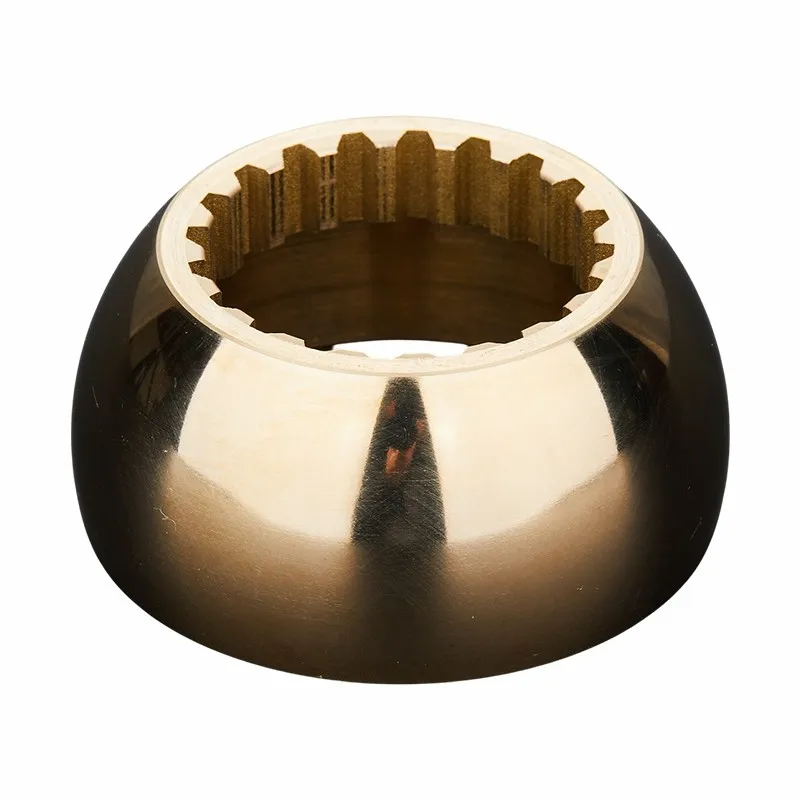
As a Rail Traffic supplier, we are committed to providing high-quality products and services to support the rail industry in its efforts to deal with overcrowding. Our products, such as the Plunger Pump Accessories Pressure Plate and Plunger Pump Ball Retainer, are designed to meet the demanding requirements of the rail network, ensuring reliable and efficient operation.
If you are interested in learning more about our products and how they can contribute to the improvement of your rail system, we encourage you to contact us for a procurement discussion. We look forward to working with you to find the best solutions for your specific needs.
References
- Levinson, D., & Krizek, K. J. (2018). The End of Traffic and the Future of Transport. Island Press.
- Vuchic, V. R. (2007). Urban Transit: Operations, Planning, and Economics. Wiley.
- Litman, T. (2019). Evaluating Public Transit Benefits and Costs: Best Practices Guidebook. Victoria Transport Policy Institute.


