


As a seasoned supplier of steel products, I've often been asked whether steel products require special storage conditions. The answer is a resounding yes. Steel, while a durable and versatile material, is susceptible to various environmental factors that can compromise its quality over time. In this blog, I'll delve into the reasons why special storage conditions are crucial for steel products and provide practical tips on how to store them effectively.
The Vulnerability of Steel
Steel is an alloy primarily composed of iron and carbon, with other elements added to enhance its properties. However, iron is highly reactive with oxygen and moisture, which can lead to the formation of rust. Rust is not only unsightly but also weakens the structural integrity of the steel, making it less reliable for its intended applications. Even a thin layer of rust can accelerate the corrosion process, leading to further deterioration.
In addition to rust, steel can also be affected by other forms of corrosion, such as pitting, crevice corrosion, and stress corrosion cracking. These types of corrosion can occur under specific conditions, such as exposure to certain chemicals, high humidity, or mechanical stress. Therefore, it's essential to store steel products in an environment that minimizes the risk of corrosion.
Special Storage Conditions for Steel Products
1. Dry Environment
One of the most critical factors in steel storage is keeping the environment dry. Moisture is the enemy of steel, as it provides the necessary conditions for rust formation. Ideally, the relative humidity in the storage area should be kept below 60%. In areas with high humidity, dehumidifiers can be used to reduce the moisture content in the air. Additionally, storing steel products off the ground on pallets or racks can help prevent contact with moisture that may accumulate on the floor.
2. Protection from the Elements
Steel products should be stored indoors or under a protective cover to shield them from rain, snow, and direct sunlight. Exposure to water can cause immediate rusting, while prolonged exposure to sunlight can lead to thermal expansion and contraction, which may weaken the steel over time. If outdoor storage is unavoidable, the steel should be covered with a waterproof tarp or other protective material.
3. Separation and Organization
Storing different types of steel products separately can help prevent galvanic corrosion, which occurs when two dissimilar metals come into contact in the presence of an electrolyte (such as moisture). For example, storing stainless steel and carbon steel together can accelerate the corrosion of the carbon steel. Additionally, organizing the steel products by size, shape, and grade can make it easier to access and manage inventory.

4. Cleanliness
Keeping the storage area clean is essential for preventing the accumulation of dirt, dust, and other contaminants that can trap moisture and promote corrosion. Regularly sweeping the floor and removing any debris can help maintain a clean environment. Steel products should also be cleaned before storage to remove any surface contaminants, such as oil, grease, or dirt.
5. Monitoring and Inspection
Regularly monitoring the storage environment and inspecting the steel products for signs of corrosion is crucial for early detection and prevention. Temperature and humidity sensors can be installed in the storage area to track environmental conditions, and visual inspections should be conducted periodically to check for rust, pitting, or other signs of damage. If any issues are detected, appropriate measures should be taken immediately to prevent further deterioration.
Specific Considerations for Different Types of Steel Products
1. Steel Bars and Rods
Steel bars and rods are commonly used in construction, manufacturing, and other industries. They should be stored in a vertical or horizontal position to prevent bending or warping. If stored horizontally, they should be supported at regular intervals to prevent sagging. Additionally, steel bars and rods should be protected from scratches and dents, which can provide sites for corrosion to start.
2. Steel Sheets and Plates
Steel sheets and plates are often used in the automotive, aerospace, and shipbuilding industries. They should be stored flat on a clean, dry surface to prevent warping. To prevent scratching, a layer of protective material, such as cardboard or plastic, can be placed between the sheets or plates. Stacking the sheets or plates too high can also cause damage, so it's important to limit the height of the stack.
3. Steel Piston Shoe
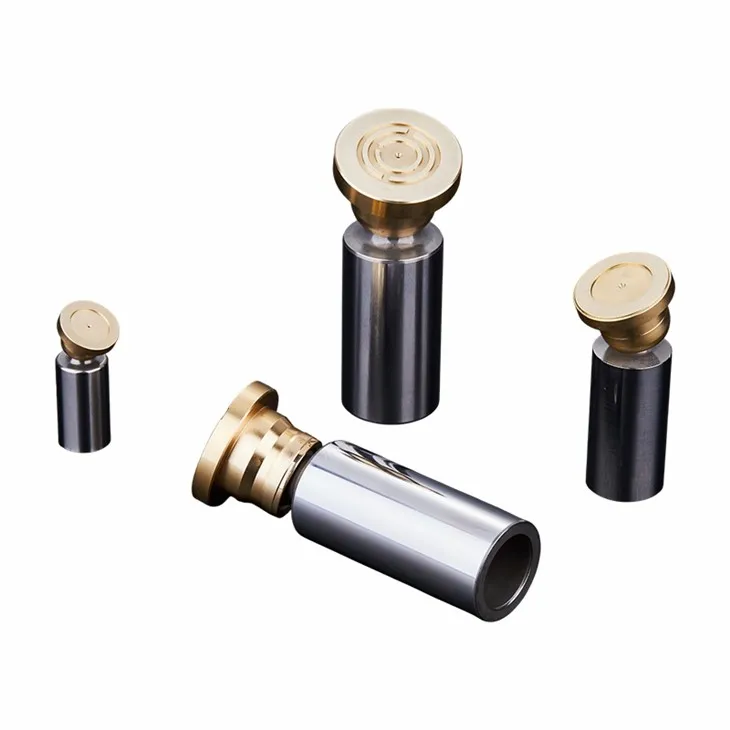
Steel piston shoes are critical components in hydraulic systems. They require special care during storage to maintain their precision and performance. They should be stored in a clean, dry environment and protected from dust and debris. Additionally, they should be lubricated to prevent corrosion and ensure smooth operation.
Conclusion
In conclusion, steel products require special storage conditions to maintain their quality and integrity. By following the guidelines outlined in this blog, you can minimize the risk of corrosion and ensure that your steel products remain in optimal condition for their intended applications. As a steel products supplier, I understand the importance of proper storage and am committed to providing my customers with the highest quality products. If you have any questions or need further advice on steel product storage, please don't hesitate to contact me. I'm always happy to help. Whether you're in the construction, manufacturing, or any other industry that uses steel products, proper storage is essential for maximizing the lifespan and performance of your materials. So, take the time to create a suitable storage environment for your steel products, and you'll reap the benefits in the long run.
References
- ASM Handbook, Volume 13A: Corrosion: Fundamentals, Testing, and Protection
- NACE International: Corrosion Basics
- ISO 9001:2015 - Quality management systems - Requirements


