


Can bronze shaped tubes be used in musical instruments?
As a supplier of Bronze Shaped Tube, I've often been asked about the suitability of bronze shaped tubes for musical instruments. This topic is not only interesting but also crucial for musicians, instrument makers, and enthusiasts alike. In this blog, I'll explore the potential of bronze shaped tubes in the world of music, drawing on scientific knowledge and industry experience.
The Properties of Bronze
Bronze is an alloy primarily composed of copper and tin, with other elements sometimes added to enhance specific properties. This alloy has been used for centuries in various applications, from sculptures to weaponry, due to its unique combination of characteristics.
One of the key properties of bronze is its durability. It is resistant to corrosion, which means that musical instruments made from bronze shaped tubes can withstand the test of time, even in humid or harsh environments. This is particularly important for wind instruments, which are often exposed to moisture from the player's breath.
Another significant property is its acoustic qualities. Bronze has a rich, warm tone that can add depth and character to musical sounds. When a bronze shaped tube is used in a musical instrument, it can resonate in a way that produces a more complex and pleasing sound compared to other materials. The density and elasticity of bronze also play a role in determining the instrument's pitch and timbre.
Types of Musical Instruments Suitable for Bronze Shaped Tubes
Wind Instruments
Wind instruments are perhaps the most obvious candidates for using bronze shaped tubes. Trumpets, trombones, and saxophones are just a few examples of instruments that could potentially benefit from the use of bronze.
In brass instruments like trumpets and trombones, the shape and material of the tube are critical for producing the desired sound. Bronze shaped tubes can offer a different sonic profile compared to traditional brass materials. The warm, rich tone of bronze can give these instruments a more mellow and rounded sound, which is highly sought after by many musicians.

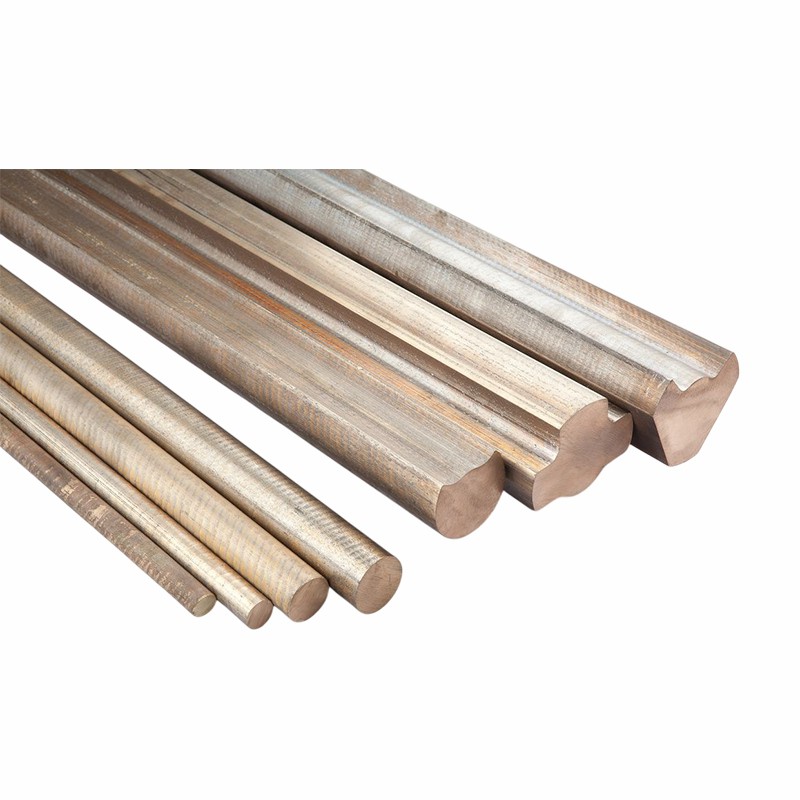
Saxophones, although typically made of brass, could also see improvements with bronze shaped tubes. The unique acoustic properties of bronze might allow for a more focused and powerful sound, especially in the lower registers. Additionally, the corrosion resistance of bronze could reduce maintenance requirements and extend the lifespan of the instrument.
Percussion Instruments
Percussion instruments can also incorporate bronze shaped tubes. For example, tubular bells are made of metal tubes that produce musical notes when struck. Using bronze shaped tubes in tubular bells could result in a more resonant and harmonious sound. The warm tone of bronze would add a touch of elegance to the chime, making it a popular choice for orchestras and concert halls.
String Instruments (Indirect Use)
While string instruments do not directly use tubes, bronze shaped tubes could be used in the construction of their accessories. For instance, the tuning pegs or tailpieces of a violin or cello could be made from bronze. These components can affect the instrument's intonation and stability, and the use of bronze could potentially enhance these aspects.
Manufacturing Considerations
When using bronze shaped tubes in musical instruments, several manufacturing considerations need to be taken into account.
Shape and Dimensions
The shape and dimensions of the bronze shaped tube are crucial for achieving the desired acoustic properties. The diameter, length, and wall thickness of the tube can all affect the instrument's pitch, timbre, and playability. Instrument makers need to carefully design and fabricate the tubes to ensure that they meet the specific requirements of the instrument.
Joining and Assembly
Joining the bronze shaped tube to other parts of the instrument is another important step. Welding, soldering, or brazing techniques need to be used to ensure a strong and secure connection. The choice of joining method can also affect the acoustic properties of the instrument, so it is essential to select the most appropriate technique.
Surface Finish
The surface finish of the bronze shaped tube can impact the instrument's appearance and performance. A smooth surface can reduce friction and improve the flow of air or vibrations, while a textured surface might add a unique visual element. Instrument makers need to carefully consider the surface finish to achieve the desired balance between aesthetics and functionality.
Advantages of Using Bronze Shaped Tubes in the Music Industry
Sound Quality
As mentioned earlier, the acoustic qualities of bronze are one of its main advantages in the music industry. The warm, rich tone of bronze can enhance the sound of musical instruments, making them more appealing to listeners. Musicians often seek out instruments with unique sonic characteristics, and bronze shaped tubes can provide a distinct sound that sets them apart from other materials.
Durability
The durability of bronze is another significant advantage. Musical instruments are often expensive and require regular maintenance. By using bronze shaped tubes, instrument makers can create products that are more resistant to wear and tear, corrosion, and damage. This can reduce the overall cost of ownership for musicians and ensure that their instruments last for many years.
Aesthetics
Bronze has a beautiful, warm color that can add a touch of elegance to musical instruments. Whether it's a shiny, polished finish or a more rustic patina, bronze can enhance the visual appeal of an instrument. This can be particularly important for high-end instruments that are not only used for performance but also as works of art.
Challenges and Limitations
Cost
One of the main challenges of using bronze shaped tubes in musical instruments is the cost. Bronze is generally more expensive than other materials commonly used in instrument making, such as brass or aluminum. This can make instruments made with bronze shaped tubes more expensive for consumers, which may limit their market appeal.
Machinability
Bronze can be more difficult to machine compared to other metals. Its hardness and ductility require specialized tools and techniques to shape and form the tubes accurately. This can increase the manufacturing time and cost, further contributing to the overall price of the instrument.
Availability
The availability of bronze shaped tubes in the required sizes and shapes can also be a limitation. Not all suppliers may carry a wide range of bronze shaped tubes, which can make it challenging for instrument makers to source the materials they need. This can lead to delays in production and increased costs due to the need for custom fabrication.
Conclusion
In conclusion, bronze shaped tubes have significant potential for use in musical instruments. Their unique acoustic properties, durability, and aesthetic appeal make them an attractive option for instrument makers and musicians. While there are challenges and limitations associated with using bronze, such as cost and machinability, the benefits can outweigh these drawbacks for those seeking high-quality, distinctive musical instruments.
As a supplier of Bronze Shaped Tube, I am committed to providing high-quality products that meet the needs of the music industry. If you are an instrument maker or musician interested in exploring the possibilities of using bronze shaped tubes in your instruments, I encourage you to contact me for more information and to discuss potential procurement opportunities.
References
- "The Physics of Musical Instruments" by Neville H. Fletcher and Thomas D. Rossing.
- "Acoustics: An Introduction to Its Physical Principles and Applications" by Allan D. Pierce.
- Industry reports on the use of metals in musical instrument manufacturing.


