


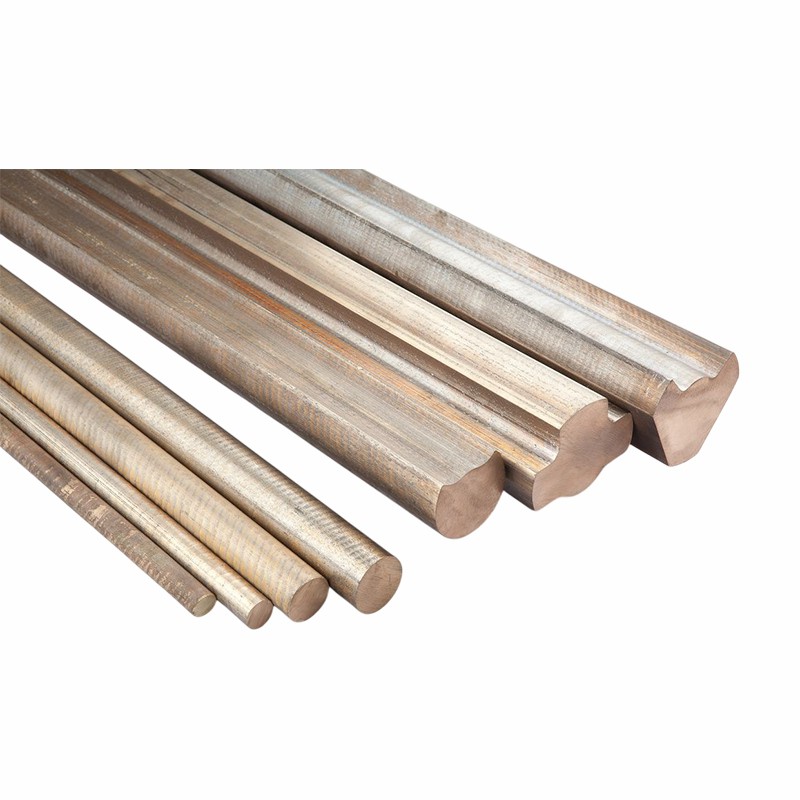
Bronze, an alloy primarily composed of copper and tin, has been utilized by humans for thousands of years due to its versatility and desirable properties. Among its various forms, bronze shaped tubes have gained significant attention in recent times. As a supplier of Bronze Shaped Tube, I am often asked whether these tubes can be used in electrical applications. In this blog post, I will delve into the properties of bronze shaped tubes and explore their potential use in the electrical field.
Properties of Bronze Shaped Tubes
Before discussing their electrical applications, it is essential to understand the key properties of bronze shaped tubes. These properties not only determine their suitability for electrical use but also influence their performance in various other industries.

1. Electrical Conductivity
Copper, the primary component of bronze, is well - known for its excellent electrical conductivity. Although the addition of tin and other elements in bronze slightly reduces its conductivity compared to pure copper, bronze still retains a relatively high level of electrical conductivity. This property makes bronze shaped tubes a viable option for certain electrical applications where conductivity is required.
2. Corrosion Resistance
Bronze has inherent corrosion - resistant properties. The tin in bronze forms a protective oxide layer on the surface, which helps prevent the metal from corroding when exposed to moisture, air, and some chemicals. In electrical applications, corrosion resistance is crucial as it ensures the long - term reliability of electrical components. Corroded conductors can lead to increased resistance, power loss, and potential system failures.
3. Mechanical Strength
Bronze shaped tubes offer good mechanical strength. They can withstand mechanical stress, such as bending, torsion, and vibration, without significant deformation. This strength is important in electrical applications where the tubes may be subject to physical forces during installation or operation. For example, in electrical conduits, the tubes need to maintain their shape and integrity to protect the electrical wires inside.
4. Machinability
Bronze is relatively easy to machine compared to some other metals. This means that bronze shaped tubes can be easily fabricated into different sizes and shapes to meet the specific requirements of electrical applications. Whether it is cutting, drilling, or threading, bronze can be processed efficiently, reducing production time and costs.
Electrical Applications of Bronze Shaped Tubes
1. Electrical Conduits
One of the most common electrical applications of bronze shaped tubes is as electrical conduits. Electrical conduits are used to protect electrical wires from physical damage, moisture, and other environmental factors. The corrosion resistance and mechanical strength of bronze make it an ideal material for conduits, especially in harsh environments. For example, in industrial settings where there may be exposure to chemicals or in outdoor installations where the tubes are exposed to the elements, bronze shaped tubes can provide long - lasting protection for electrical wiring.
2. Busbars
Busbars are used to distribute electrical power within electrical panels, switchgear, and other power distribution systems. Bronze shaped tubes can be used as busbars in certain applications. Their relatively high electrical conductivity allows for the efficient transfer of electrical current. Additionally, the mechanical strength of bronze ensures that the busbars can support the weight of the electrical connections and withstand the electromagnetic forces generated during operation.
3. Terminals and Connectors
Bronze shaped tubes can also be used to manufacture electrical terminals and connectors. These components are used to connect electrical wires and other electrical devices. The good electrical conductivity of bronze ensures a low - resistance connection, which is essential for efficient power transfer. The corrosion resistance of bronze helps prevent the formation of oxidation at the connection points, maintaining a stable electrical connection over time.
4. Electromagnetic Shielding
In some electrical applications, there is a need to shield sensitive electronic components from electromagnetic interference (EMI). Bronze, due to its electrical conductivity, can act as an effective electromagnetic shield. Bronze shaped tubes can be used to enclose electronic devices or cables, reducing the impact of external electromagnetic fields on the internal components.
Comparison with Other Materials
1. Copper
As mentioned earlier, copper has higher electrical conductivity than bronze. However, bronze offers better corrosion resistance and mechanical strength in many cases. In applications where corrosion is a major concern, such as in marine or chemical environments, bronze shaped tubes may be a better choice than pure copper tubes. Also, the cost of bronze may be more favorable in some situations, depending on market conditions.
2. Aluminum
Aluminum is another commonly used material in electrical applications. It is lightweight and has relatively good electrical conductivity. However, aluminum is more prone to corrosion than bronze, especially in certain chemical environments. Bronze shaped tubes are also stronger than aluminum tubes, making them more suitable for applications where mechanical strength is required.
Limitations in Electrical Applications
While bronze shaped tubes have many advantages for electrical applications, there are also some limitations.
1. Higher Resistance than Pure Copper
As compared to pure copper, bronze has a slightly higher electrical resistance. In applications where extremely high conductivity is required, such as in high - power transmission lines, bronze may not be the best choice. The higher resistance can lead to increased power loss in the form of heat, which is undesirable in energy - efficient systems.
2. Cost
Bronze is generally more expensive than some other metals commonly used in electrical applications, such as aluminum. The cost of bronze shaped tubes may be a limiting factor, especially in large - scale electrical projects where cost - effectiveness is a major consideration.
Conclusion
In conclusion, bronze shaped tubes can indeed be used in a variety of electrical applications. Their combination of electrical conductivity, corrosion resistance, mechanical strength, and machinability makes them suitable for applications such as electrical conduits, busbars, terminals, connectors, and electromagnetic shielding. However, their use should be carefully evaluated based on the specific requirements of the application. In some cases, the higher resistance and cost of bronze may make other materials more suitable.
If you are interested in exploring the use of Bronze Shaped Tube for your electrical applications, or if you have any questions about our products, such as Bronze Shaped Rod and Bronze Square Rod, please feel free to contact us for further discussion and potential procurement. We are committed to providing high - quality bronze products to meet your specific needs.
References
- ASM Handbook Committee. (2001). ASM Handbook: Volume 2 - Properties and Selection: Nonferrous Alloys and Special - Purpose Materials. ASM International.
- Davis, J. R. (Ed.). (2001). Copper and Copper Alloys. ASM International.
- Metals Handbook Committee. (1990). Metals Handbook: Desk Edition. ASM International.


