When it comes to high - speed applications, selecting the right material is crucial. As a supplier of bronze square rods, I often get asked whether our bronze square rods can be used in high - speed applications. In this blog, we will explore the properties of bronze square rods and analyze their suitability for high - speed scenarios.

Properties of Bronze Square Rods
Bronze is an alloy primarily composed of copper and tin, with other elements such as aluminum, manganese, nickel, or zinc sometimes added to enhance specific properties. The square rod shape offers a distinct set of characteristics that may be advantageous or limiting in high - speed applications.
Mechanical Properties
Bronze typically has good strength and toughness. Its strength allows it to withstand mechanical stresses without deforming easily. In high - speed applications, components are often subject to significant centrifugal forces, vibrations, and impact loads. The toughness of bronze means that it can absorb energy during these dynamic events, reducing the risk of sudden failure. For example, in high - speed rotating machinery, a bronze square rod used as a shaft or a structural element can resist bending and shearing forces that occur due to rapid rotation.

However, compared to some high - performance alloys specifically designed for high - speed use, the strength - to - weight ratio of bronze may not be as high. This means that in applications where minimizing weight is critical for achieving high speeds, bronze might be at a disadvantage.
Wear Resistance
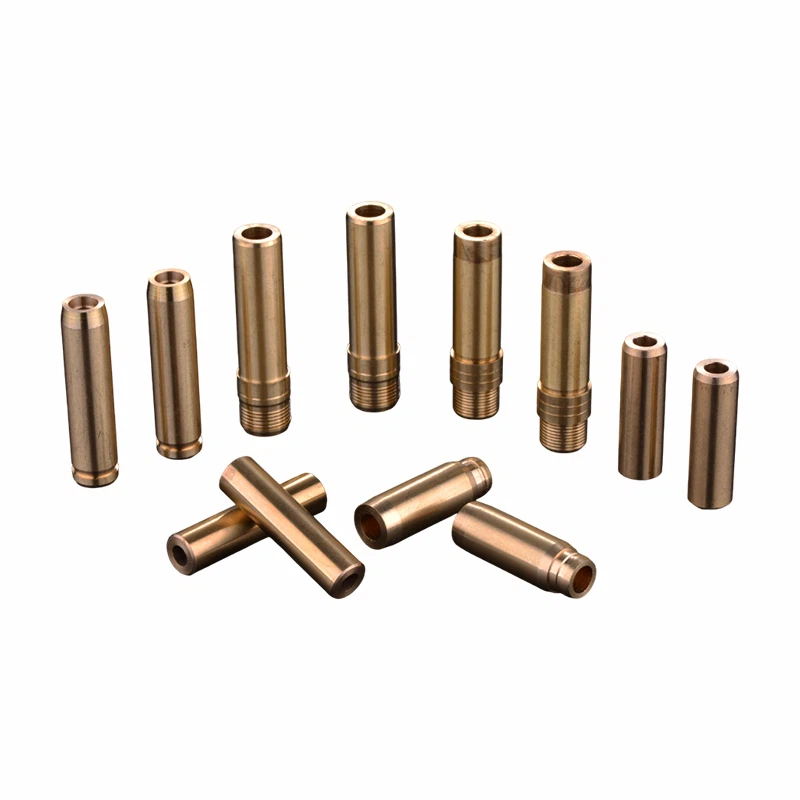
One of the notable advantages of bronze is its excellent wear resistance. In high - speed applications, components often experience sliding or rolling contact with other parts. The friction generated during these contacts can cause significant wear over time. Bronze's self - lubricating properties, due to the presence of tin and other alloying elements, help reduce friction and wear. For instance, in high - speed bearings or bushings made from bronze square rods, the wear resistance ensures a longer service life and reduces the need for frequent replacements.
Thermal Properties
Bronze has relatively good thermal conductivity. In high - speed applications, heat is generated due to friction and mechanical work. Effective heat dissipation is essential to prevent overheating, which can lead to material softening, dimensional changes, and ultimately, component failure. The thermal conductivity of bronze allows it to transfer heat away from the critical areas, maintaining stable operating temperatures. However, in extremely high - speed applications where heat generation is extremely high, additional cooling mechanisms may still be required.
Factors Affecting the Use of Bronze Square Rods in High - Speed Applications
Speed and Load Requirements
The specific speed and load requirements of the application play a significant role in determining the suitability of bronze square rods. In low - to - medium - speed applications with moderate loads, bronze square rods can perform well. For example, in some industrial conveyor systems operating at relatively low speeds, bronze square rods can be used as guide rails or support structures.
However, as the speed and load increase, the demands on the material become more stringent. In high - speed, high - load applications such as aerospace turbines or high - performance automotive engines, the mechanical and thermal stresses may exceed the capabilities of bronze. In these cases, more advanced materials like titanium alloys or high - strength steels may be preferred.
Environment
The operating environment also affects the performance of bronze square rods in high - speed applications. In corrosive environments, bronze's corrosion resistance can be an advantage. For example, in marine applications where high - speed pumps or propellers are exposed to saltwater, bronze's resistance to corrosion helps maintain the integrity of the components.
On the other hand, in environments with high levels of abrasive particles, such as in mining or construction equipment operating in dusty conditions, the wear resistance of bronze may be challenged. The abrasive particles can accelerate wear, reducing the service life of the bronze square rod components.
Comparison with Other Materials
To better understand the suitability of bronze square rods in high - speed applications, it is useful to compare them with other commonly used materials.
Steel
Steel is widely used in high - speed applications due to its high strength and stiffness. Compared to bronze, steel generally has a higher strength - to - weight ratio, making it more suitable for applications where weight reduction and high strength are both important. However, steel may have lower corrosion resistance and self - lubricating properties than bronze. In applications where corrosion is a concern or where self - lubrication can simplify the design, bronze square rods may be a better choice.

Aluminum Alloys
Aluminum alloys are known for their low density, which makes them attractive for high - speed applications where weight is a critical factor. They also have good thermal conductivity. However, aluminum alloys typically have lower strength and wear resistance compared to bronze. In applications where strength and wear resistance are more important than weight, bronze square rods may be preferred.
Applications Where Bronze Square Rods Can Be Used in High - Speed Scenarios
Despite the limitations, there are several applications where bronze square rods can be effectively used in high - speed situations.
High - Speed Precision Machinery
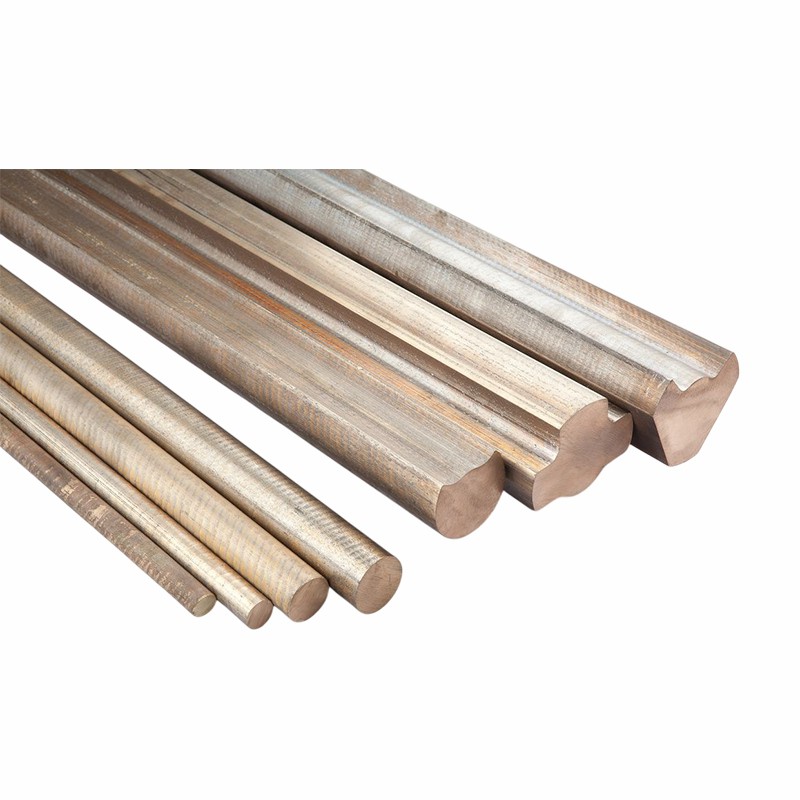
In some high - speed precision machinery, such as optical scanners or high - speed printing presses, bronze square rods can be used as guide rails or support structures. The wear resistance and dimensional stability of bronze ensure accurate movement and positioning of components, even at high speeds.
Small - Scale High - Speed Motors
For small - scale high - speed motors, bronze square rods can be used as shaft materials. The self - lubricating properties of bronze reduce friction in the bearings, improving the efficiency and reliability of the motor.
Conclusion
In conclusion, bronze square rods can be used in high - speed applications, but their suitability depends on various factors such as speed and load requirements, operating environment, and the specific performance criteria of the application. While bronze offers advantages such as good strength, wear resistance, and thermal conductivity, it also has limitations in terms of strength - to - weight ratio compared to some advanced materials.
If you are considering using bronze square rods in your high - speed applications, we, as a reliable bronze square rod supplier, can provide you with high - quality products. We also offer Bronze Round Bar and Bronze Shaped Tube for different needs. Additionally, our Bronze Shaped Rod series provides more options for customized designs.
If you have any questions or are interested in purchasing our bronze products, please feel free to contact us for further discussion. We are ready to provide you with professional advice and solutions.
References
- Callister, W. D., & Rethwisch, D. G. (2011). Materials Science and Engineering: An Introduction. Wiley.
- ASM Handbook Committee. (2000). ASM Handbook, Volume 2: Properties and Selection: Nonferrous Alloys and Special - Purpose Materials. ASM International.