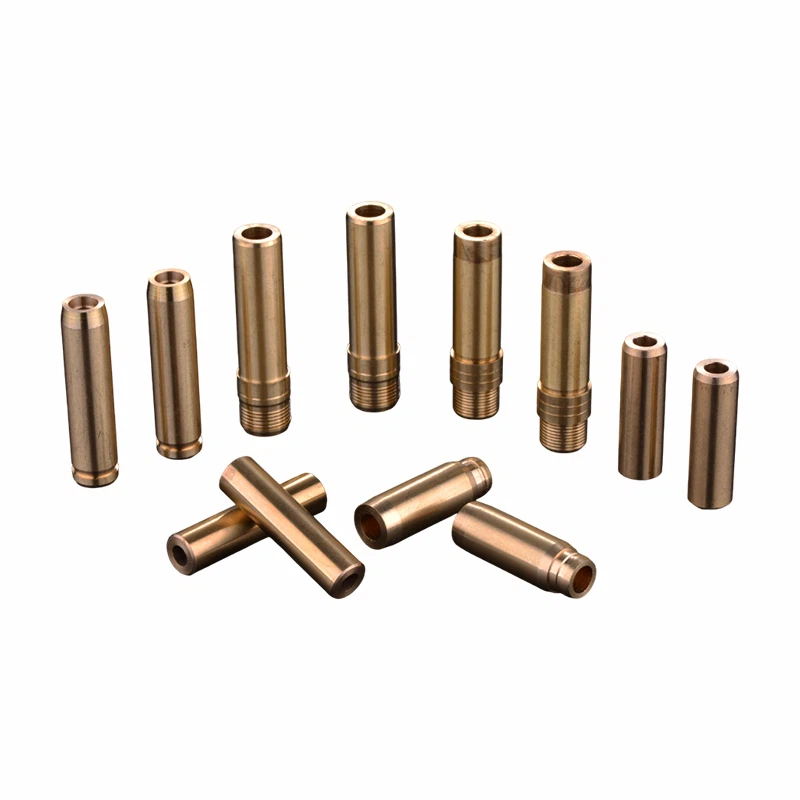
Are there different grades of brass square rods? Well, you bet there are! As a supplier of Brass Square Rods, I've seen firsthand the variety out there, and it's pretty fascinating.
Brass is an alloy made primarily of copper and zinc. But the proportions of these two metals, along with the addition of other elements, can vary widely, leading to different grades of brass square rods. Each grade has its own unique set of properties that make it suitable for specific applications.
Let's start with the basics. The most common grades of brass are divided based on their zinc content. For example, brass with a lower zinc content (around 10 - 30%) is often called red brass. Red brass square rods are known for their excellent corrosion resistance and high ductility. This makes them a great choice for applications where the rod needs to be bent or formed without breaking. You'll often find red brass square rods in plumbing fixtures, musical instruments, and decorative items. Check out our Brass Square Rod page to see some of the red brass options we offer.
On the other hand, yellow brass has a higher zinc content (usually between 30 - 45%). Yellow brass square rods are stronger and more durable than red brass. They also have better machinability, which means they can be easily cut, drilled, and shaped. This makes yellow brass a popular choice for manufacturing parts like gears, nuts, and bolts. If you're in the market for high - strength brass square rods, yellow brass might be the way to go.
Then there are some special grades of brass that have additional elements added to them. For instance, leaded brass contains a small amount of lead (usually less than 3%). The addition of lead improves the machinability of the brass even further. Leaded brass square rods are commonly used in applications where precision machining is required, such as in the production of electrical connectors and plumbing fittings.
Another interesting grade is naval brass. It contains a small amount of tin in addition to copper and zinc. Naval brass square rods are highly resistant to corrosion, especially in marine environments. That's why they're often used in shipbuilding, offshore structures, and other marine applications.
When it comes to choosing the right grade of brass square rod for your project, there are a few factors you need to consider. First, think about the mechanical properties you need. If you need a rod that can withstand high stress and pressure, you'll want to go for a stronger grade like yellow brass. If corrosion resistance is your top priority, red brass or naval brass might be better options.
The manufacturing process also matters. Some grades of brass are more suitable for certain manufacturing techniques than others. For example, if you're planning to use a lot of machining operations, a grade with good machinability like leaded brass would be ideal.


Cost is another important factor. Different grades of brass square rods come with different price tags. Generally, grades with more specialized properties or rarer alloying elements tend to be more expensive. So, you'll need to balance your requirements with your budget.
Now, let's talk about the difference between brass square rods and other brass products. We also offer Brass Shaped Tube and Brass Round Tube. The main difference lies in their shape and the applications they're used for.
Brass square rods have a solid, square cross - section. This makes them great for applications where you need a flat surface or a defined shape. They're often used in construction, manufacturing, and decorative projects.
Brass shaped tubes, on the other hand, have a hollow interior and come in various non - circular shapes. They're commonly used in applications where you need to transport fluids or gases, or where you need a lightweight but strong structure.
Brass round tubes are, well, round! They're very versatile and are used in a wide range of applications, from plumbing to electrical wiring.
As a supplier, I can help you choose the right grade of brass square rod for your specific needs. Whether you're a small - scale hobbyist or a large - scale manufacturer, I've got you covered. I have a wide selection of brass square rods in different grades, sizes, and finishes.
If you're interested in purchasing brass square rods, or if you have any questions about the different grades, feel free to reach out. We can discuss your project requirements in detail and find the perfect solution for you. Don't hesitate to start a conversation about your brass square rod needs. I'm here to make sure you get the best product for your money.
In conclusion, the world of brass square rods is full of variety. Different grades offer different properties, which means there's a perfect brass square rod for every project. Whether you're looking for corrosion resistance, strength, or good machinability, there's a grade out there that will meet your needs. So, take the time to explore your options and make an informed decision. And if you need any help along the way, I'm just a message away.
References
- "The Handbook of Brass Alloys and Their Applications"
- "Metals and Alloys in Engineering"